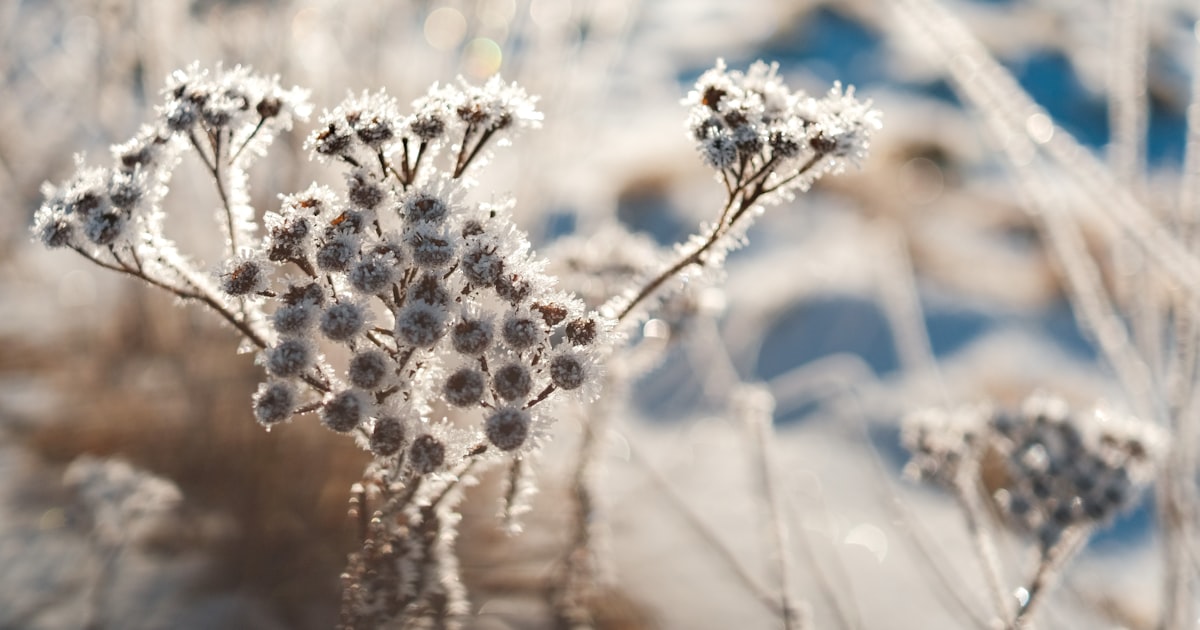
When the days get shorter and the mornings turn chilly, a lot of gardeners pack it in and wait for spring. The veggie patch sits empty, the tools go in the shed, and the garden takes a long nap.
Big mistake.
Winter is actually one of the best times to garden in Australia. There are fewer pests, less watering to do, and a whole collection of vegetables that genuinely prefer cool weather. If you have been leaving your garden empty through winter, you are missing out on some of the tastiest and most productive growing months of the year.
The Myth: “Nothing Grows in Winter”
Let’s put this one to rest immediately. Plenty of vegetables not only grow in winter, they actually taste better when grown in cool conditions. Brassicas like broccoli and kale develop sweeter flavour after a frost. Root vegetables become more concentrated. Leafy greens stay crisp and tender instead of bolting to seed in the heat.
Winter gardening is different from summer gardening, yes. Plants grow more slowly, and you need to think about frost in some areas. But the list of crops that thrive in cool weather is genuinely impressive.
Best Winter Crops by Category
Brassicas: The Winter Superstars
This family owns winter. If you are only going to grow one group of vegetables through the cold months, make it brassicas.
- Broccoli: Plant seedlings in late summer or early autumn for a winter harvest. Side shoots keep producing for weeks after the main head is cut.
- Cauliflower: A bit more finicky than broccoli but stunning when it comes together. Needs consistent moisture.
- Cabbage: Tough, reliable, and stores well after harvest. Red and green varieties both do brilliantly.
- Kale: The absolute champion of winter greens. It handles frost like a champ and actually gets sweeter after cold snaps. Tuscan kale, curly kale, Red Russian: they are all fantastic.
- Brussels sprouts: Slow growing (they need a long season) but utterly delicious when roasted. Plant in late summer for a winter harvest.
Root Vegetables: Underground Gold
Root vegetables are perfect for winter. They grow steadily in cool conditions and many can be left in the ground until you are ready to eat them.
- Beetroot: Sow seeds directly. Ready in about 10 to 12 weeks. The greens are edible too.
- Carrots: Direct sow in well-prepared, loose soil. Takes patience (12 to 16 weeks) but the flavour of a homegrown winter carrot is something special.
- Turnips: Quick growing, mild flavoured when young. Great roasted or mashed.
- Parsnips: Slow but worth it. Like carrots, they sweeten after frost. Roast parsnips in winter are unbeatable.
Alliums: Plant Now, Eat Later
Winter is prime time for the allium family.
- Garlic: This is your big one. Plant cloves in autumn or early winter (April to June depending on your zone). They need the cold to develop properly. Harvest in late spring or early summer. If you do nothing else this winter, plant garlic.
- Onions: Plant seedlings or sets in autumn for a spring harvest. Brown, white, and red varieties all work.
- Leeks: Plant seedlings in autumn. They grow slowly through winter and are ready from late winter into spring. Incredibly versatile in the kitchen.
- Spring onions: Direct sow every few weeks for a continuous supply. Ready in about 8 weeks.
PLAN YOUR WINTER GARDEN
Know exactly what to plant and when
VeggieCrush tailors planting recommendations to your climate zone so your winter garden is as productive as possible.
Download the free appLegumes: Nitrogen Fixers and Food
- Broad beans: The classic winter legume. Plant seeds directly in the soil from April onwards. They handle light frost and actually improve your soil by fixing nitrogen. Plus, fresh broad beans are nothing like the grey things from a tin.
- Peas: Snow peas, sugar snap peas, and shelling peas all love cool weather. Plant from autumn through winter in most of Australia. Provide a trellis or stakes for climbing varieties.
Leafy Greens: Salads All Winter Long
- Spinach: True spinach (not the warm-season silverbeet often sold as spinach) thrives in cool conditions. Sow direct and harvest outer leaves as needed.
- Lettuce: Many varieties grow well through winter, especially cos, butterhead, and loose-leaf types. They stay tender and sweet without the risk of bolting.
- Rocket: Quick growing with a peppery kick. Sow every 2 to 3 weeks for a continuous supply.
- Asian greens: Bok choy, pak choy, and mizuna all love cool weather. Quick from seed to plate.
Frost Protection
If you are in a frost-prone area, some protection will extend your growing options significantly.
Simple frost protection methods:
- Frost cloth or horticultural fleece: Drape over plants or create a frame to hold it above the foliage. Provides a few degrees of protection, which is often enough.
- Cloches: Cover individual plants with a clear plastic bottle (cut the bottom off) or a glass cloche. Creates a mini greenhouse effect.
- Mulch: A thick layer of straw or sugarcane mulch insulates the soil and protects roots. This is especially important for root vegetables and garlic.
- Plant near walls: North-facing walls (in the southern hemisphere, that is your sunny side) absorb heat during the day and radiate it at night, creating a warmer microclimate.
- Water in the morning: Wet soil holds heat better than dry soil, providing a small buffer against frost overnight.
Garlic: The Must-Plant Winter Crop
If we had to pick one single crop that every Australian gardener should plant in winter, it would be garlic. Here is why:
- It is incredibly easy. Push a clove into the soil, water occasionally, wait.
- It needs winter cold to develop properly (vernalisation), so this is the only time to plant it.
- Homegrown garlic tastes remarkably better than imported supermarket bulbs.
- A single bulb produces 8 to 12 cloves, each of which grows into a new bulb. Your investment multiplies.
- It stores for months after harvest.
Plant individual cloves (pointy end up) about 5cm deep and 15cm apart. Choose a sunny spot with well-drained soil. Water occasionally through winter, more as it grows actively in spring. Harvest when the bottom few leaves start to brown (usually November or December).
Why Winter Gardening Is Actually Easier
Once you start gardening through winter, you quickly realise it has some serious advantages over summer growing:
Fewer pests. Most of the common garden pests (aphids, caterpillars, fruit fly, whitefly) are far less active in cold weather. You will spend much less time battling bugs.
Less watering. Cool temperatures and shorter days mean less evaporation. Combined with winter rain in many parts of Australia, your watering duties drop dramatically.
Fewer weeds. Weed growth slows right down in winter. You will not be constantly battling bindweed and couch grass.
No bolting. Cool-season crops stay in their sweet spot all winter. No battling premature flowering like you do with lettuce and coriander in summer.
Better soil health. Growing a winter crop, especially legumes, keeps your soil active and improves its structure. An empty, bare garden bed over winter can actually lose nutrients and soil biology.
GARDEN ALL YEAR ROUND
Make winter your most productive season yet
VeggieCrush guides you through winter planting with personalised recommendations, care schedules, and harvest tracking.
Download the free appPlanning for Spring
One of the smartest things you can do in winter is plan for spring. While your cool-season crops are growing, start thinking about what you want to plant when the weather warms up.
- Start warm-season seeds indoors in late winter (August in most of Australia). Tomatoes, capsicums, and eggplant all benefit from an indoor head start.
- Order seeds early. Popular varieties sell out fast from seed companies in spring.
- Prepare empty beds. If you have garden beds not in use, cover them with compost and mulch over winter so they are ready to plant into when spring arrives.
- Keep a garden journal. Note what worked this winter, what did not, and what you want to try next year.
Getting Started
If you have never gardened through winter before, start simple. Here is a beginner-friendly winter planting list:
- Garlic (plant cloves now, harvest in spring)
- Kale (seedlings from the nursery, harvest leaves all winter)
- Broad beans (direct sow, almost impossible to fail)
- Peas (direct sow with a trellis, kids love picking these)
- Lettuce (seedlings or direct sow, salads all winter)
That is five crops that are easy to grow, incredibly rewarding, and will completely change how you think about winter in the garden. No more empty beds. No more waiting for spring. Get out there and grow.
Get the VeggieCrush App
Join thousands of Aussie gardeners growing better with personalised planting reminders, pest alerts, and expert advice.


Free to download on iOS and Android. No credit card required