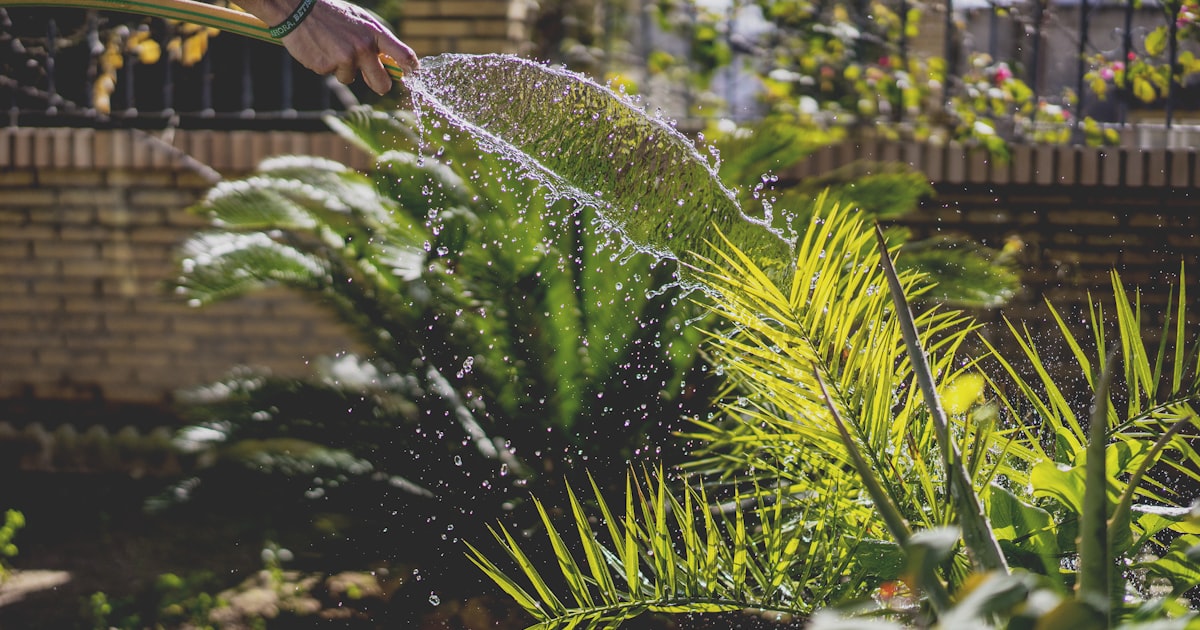
Water is the lifeblood of your garden. Too little and your plants wilt, stress, and eventually die. Too much and roots rot, fungal diseases take hold, and you waste a precious resource. Getting watering right is one of the most important skills you will develop as a gardener, and it is simpler than you might think.
In a country like Australia, where water is often scarce and restrictions are a regular part of life, being smart about watering is not just good gardening. It is good citizenship.
When to Water
Morning Is Best
The ideal time to water is early in the morning, ideally before 10am. Here is why.
- Plants can absorb moisture before the heat of the day arrives.
- Water on leaves has time to evaporate, reducing the risk of fungal diseases.
- Less water is lost to evaporation compared to midday watering.
- Plants are hydrated and ready to handle afternoon heat.
Evening Is Second Best
If mornings do not work for your schedule, late afternoon (after 4pm) is acceptable. Just try to avoid getting water on the leaves, as wet foliage overnight can encourage fungal growth. Water at the base of the plant instead.
Midday Is Wasteful
Watering in the middle of a hot day means a significant amount evaporates before your plants can use it. It is not harmful to the plants (despite the old myth about water droplets burning leaves), but it is a waste of water.
How Much to Water
Deep and Infrequent Beats Shallow and Often
This is one of the most important watering principles. Instead of giving your garden a light sprinkle every day, give it a thorough, deep soak less frequently.
Why? Light, frequent watering only wets the top few centimetres of soil. Plant roots stay shallow because that is where the moisture is. When a hot day hits, that shallow moisture evaporates quickly and your plants suffer.
Deep watering encourages roots to grow down into the soil where moisture stays longer and temperatures are more stable. These deep-rooted plants are much more resilient during hot spells and dry patches.
General rule: Most veggie gardens do well with 2 to 3 deep waterings per week rather than a daily sprinkle. In very hot weather or sandy soils, you may need to increase this.
How to Tell If You Have Watered Enough
Stick your finger into the soil about 5cm deep after watering. If it feels moist at that depth, you have done a good job. If it is still dry below the surface, water longer.
For containers, water until you see it running out the drainage holes. This tells you the entire root zone has been moistened.
NEVER FORGET TO WATER
VeggieCrush sends you watering reminders
Get smart watering alerts based on your plants, pot sizes, and local weather conditions. Your garden will thank you.
Download the free appSigns of Overwatering vs Underwatering
New gardeners often cannot tell the difference, because some symptoms look similar. Here is how to tell them apart.
Underwatering Signs
- Wilting, especially in the afternoon heat (leaves may recover overnight)
- Dry, crispy leaf edges
- Slow growth
- Soil pulling away from the edges of the pot
- Leaves dropping off
Overwatering Signs
- Wilting even when the soil is wet (this is confusing but common)
- Yellowing lower leaves
- Soft, mushy stems at the base
- Mould or algae on the soil surface
- A foul, sour smell from the soil (root rot)
- Fungus gnats (tiny flying insects around the soil)
The Water-Wise Garden
Water restrictions are a reality in many parts of Australia, and even when there are no formal restrictions, being water-wise is just smart practice. Here are the best strategies.
Mulch, Mulch, Mulch
A 5 to 10cm layer of organic mulch (sugar cane, straw, lucerne hay) on the soil surface can reduce water evaporation by up to 70%. That is a massive saving for very little effort. Mulch also keeps the soil cooler, suppresses weeds, and breaks down to feed the soil over time.
Keep mulch a few centimetres away from plant stems to prevent rot.
Drip Irrigation
Drip irrigation delivers water slowly and directly to the root zone of each plant, right where it is needed. There is almost no water lost to evaporation or runoff. Basic drip systems are surprisingly affordable and easy to set up from hardware store kits.
If you connect a drip system to a timer, you can automate your watering completely. Set it to run in the early morning and you will never forget to water again.
Collect Rainwater
A rain barrel connected to your downpipe captures free water that is also better for your plants (it has no chlorine or fluoride). Even in dry areas, a single heavy rain event can fill a 200-litre barrel that will last weeks.
Check your local council regulations around rainwater tanks, as some areas offer rebates for installation.
Choose Water-Wise Plants
Some plants naturally need less water than others. If you are gardening in a dry area or want to minimise water use, choose accordingly.
Lower water needs: Rosemary, thyme, sage, cherry tomatoes, capsicums, chillies.
Higher water needs: Lettuce, basil, celery, beans, cucumbers.
Using a Rain Gauge
A simple rain gauge (a few dollars from any hardware store) placed in your garden tells you exactly how much rain has fallen. This takes the guesswork out of deciding whether you need to water after rain.
As a rough guide, most veggie gardens need about 25mm of water per week. If it has rained 15mm, you only need to top up with about 10mm from the hose. Without a gauge, it is very easy to overestimate how much rain your garden actually received.
WATER SMARTER, NOT MORE
Get weather-aware garden care
VeggieCrush adjusts its watering reminders based on rainfall and temperature in your area, helping you save water while keeping plants happy.
Download the free appSpecial Situations
Newly Planted Seedlings
New transplants need more frequent watering for the first week or two while they establish their roots. Keep the soil consistently moist (not soggy) until you see new growth, then gradually reduce to your normal watering routine.
Containers
Pots dry out much faster than garden beds, especially in hot or windy weather. Daily watering may be necessary during summer. Self-watering pots with built-in reservoirs can be a lifesaver here.
Heatwaves
During extreme heat events, even well-established plants may need extra water. Water early in the morning and consider a second light watering in the late afternoon for vulnerable plants. Shade cloth can also help reduce water loss and heat stress.
The Finger Test
Forget expensive moisture meters. Your finger is the best watering tool you own. Stick it into the soil up to the second knuckle. Dry? Water. Moist? Leave it. Simple, free, and surprisingly accurate.
Over time, you will develop an intuition for when your plants need water. You will notice the slight dulling of leaf colour, the way leaves angle differently when they are thirsty, and the feel of the soil surface. This is one of those gardening skills that comes naturally with practice.
Water wisely, water deeply, and water consistently. Your garden will reward you for it.
Get the VeggieCrush App
Join thousands of Aussie gardeners growing better with personalised planting reminders, pest alerts, and expert advice.


Free to download on iOS and Android. No credit card required