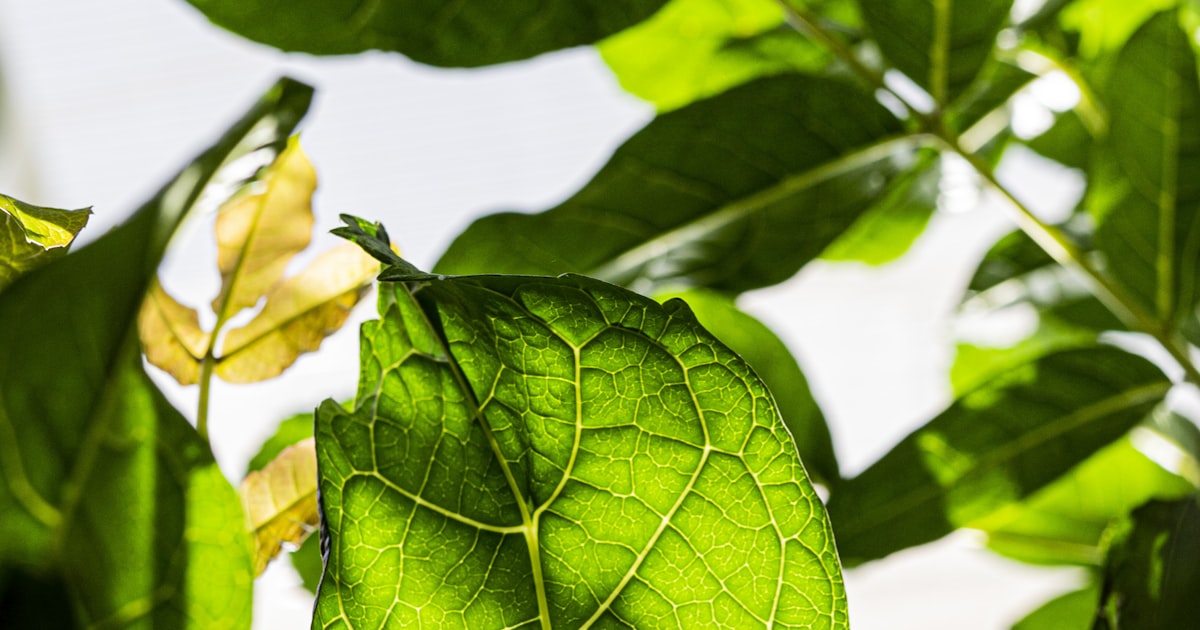
Sunlight is free energy for your plants, but not all plants want the same amount. Getting the light right is one of the most important decisions you will make in your garden, and it is also one of the easiest to get wrong if you do not understand the basics.
The good news? Once you know what your space offers, choosing the right plants becomes much simpler.
The Three Levels of Light
Garden descriptions use three main categories of sunlight. Here is what they actually mean.
Full Sun (6+ hours of direct sunlight)
This means at least six hours of direct, unfiltered sunlight per day. Most fruiting plants (tomatoes, capsicums, chillies, zucchini) and many herbs (basil, rosemary, thyme) need full sun to produce well. They can handle more than six hours too; eight to ten hours is even better for sun lovers.
Partial Shade (3 to 6 hours of direct sunlight)
This is a mix of sun and shade throughout the day. Maybe your spot gets morning sun but is shaded by a fence or building in the afternoon. Or perhaps dappled light filters through a tree canopy. Many leafy greens, some herbs, and root vegetables do well in partial shade.
Full Shade (less than 3 hours of direct sunlight)
Very few food plants will thrive in deep shade. Some leafy greens and herbs can manage with minimal direct light, but most vegetables need at least some sunshine. If your only space is deeply shaded, you might need to get creative with reflective surfaces or consider a few shade-tolerant options.
Southern Hemisphere Sun: The Basics
Here is something that trips up a lot of new gardeners who read overseas gardening books. In the southern hemisphere, the sun tracks across the northern sky. This means:
- North-facing spots get the most sun throughout the day. This is your prime real estate for sun-loving plants.
- South-facing spots get the least direct sun. They stay cooler and shadier.
- East-facing spots get gentle morning sun.
- West-facing spots get intense afternoon sun, which can be harsh in summer.
If you have been reading American or European gardening advice, remember to flip everything. When they say “south-facing is sunniest,” in Australia it is the opposite.
How to Map Your Garden’s Sun
Before you plant anything, spend a day (or better yet, a week) observing where the sun falls in your space. Here is a simple method.
- Pick a clear day. Overcast days do not give accurate results.
- Check your space at three times: early morning (8am), midday (12pm), and mid-afternoon (3pm).
- Note which areas are in sun and which are in shade at each time.
- Sketch a simple map of your space and mark the sunny, partly shaded, and fully shaded zones.
Keep in mind that sun patterns change with the seasons. In winter, the sun is lower in the sky, so shadows are longer and shade areas are bigger. In summer, the sun is higher, so more of your garden gets direct light.
PLANNING YOUR GARDEN LAYOUT?
VeggieCrush helps you choose the right plants for your space
Tell the app about your available sunlight and it will recommend plants that suit your exact conditions. No guessing required.
Download the free appWhat to Grow Where
Full Sun Champions
These plants need maximum sunshine to perform their best.
- Tomatoes
- Capsicums and chillies
- Basil
- Rosemary
- Zucchini and squash
- Beans
- Corn
- Eggplant
Partial Shade Performers
These are happy with less direct sun, making them great for spots that only get a few hours.
- Lettuce and other salad greens
- Silverbeet and spinach
- Spring onions
- Parsley
- Coriander (actually prefers some shade; it bolts quickly in full sun)
- Mint
- Beetroot
- Radishes
Shade Tolerant Options
If your only growing space is quite shaded, these are your best bets.
- Mint (thrives almost anywhere)
- Parsley
- Vietnamese mint
- Some lettuce varieties
- Mushrooms (if you are feeling adventurous)
Dealing with Western Sun
If you garden in most parts of Australia, you already know that afternoon sun in summer can be brutal. West-facing walls and fences radiate intense heat, and temperatures can spike well above 40 degrees in exposed western areas.
Plants in western-facing spots often suffer from:
- Sunburnt leaves and fruit
- Rapid moisture loss
- Heat stress, causing wilting even when soil is moist
Solutions:
- Use shade cloth (30 to 50 percent) during the hottest months
- Plant heat-tolerant varieties
- Water deeply in the morning so plants are hydrated before the heat hits
- Use mulch heavily to keep root zones cool
- Position taller plants to cast afternoon shade on smaller, more sensitive ones
MAKING THE MOST OF YOUR LIGHT
Get sun-matched planting suggestions
VeggieCrush factors in sunlight requirements when recommending what to plant, so every plant goes in the spot where it will do best.
Download the free appMaking the Most of Limited Sun
If your space does not get much direct sunlight, do not give up. There are a few tricks to maximise what you have.
Use reflective surfaces. Light-coloured walls, mirrors, or even aluminium foil behind containers can bounce extra light onto your plants.
Go vertical. Shelves or tiered plant stands let you stack pots so more of them are in the available light rather than shading each other.
Choose your plants carefully. Focus on leafy greens and herbs rather than fruiting crops. You will get much better results.
Move your containers. One of the great advantages of pot gardening is mobility. Chase the sun by moving pots throughout the day, or shift them seasonally as sun patterns change.
Light Is Just One Piece
Understanding your garden’s sunlight is a fundamental step, but it works hand in hand with water, soil, and plant selection. Once you know your light conditions, you can make informed choices about everything else.
Take that day to observe your space. Sketch your sun map. Then match your plants to the light they will actually receive, not the light you wish they had. Your garden will be much happier for it.
Get the VeggieCrush App
Join thousands of Aussie gardeners growing better with personalised planting reminders, pest alerts, and expert advice.


Free to download on iOS and Android. No credit card required