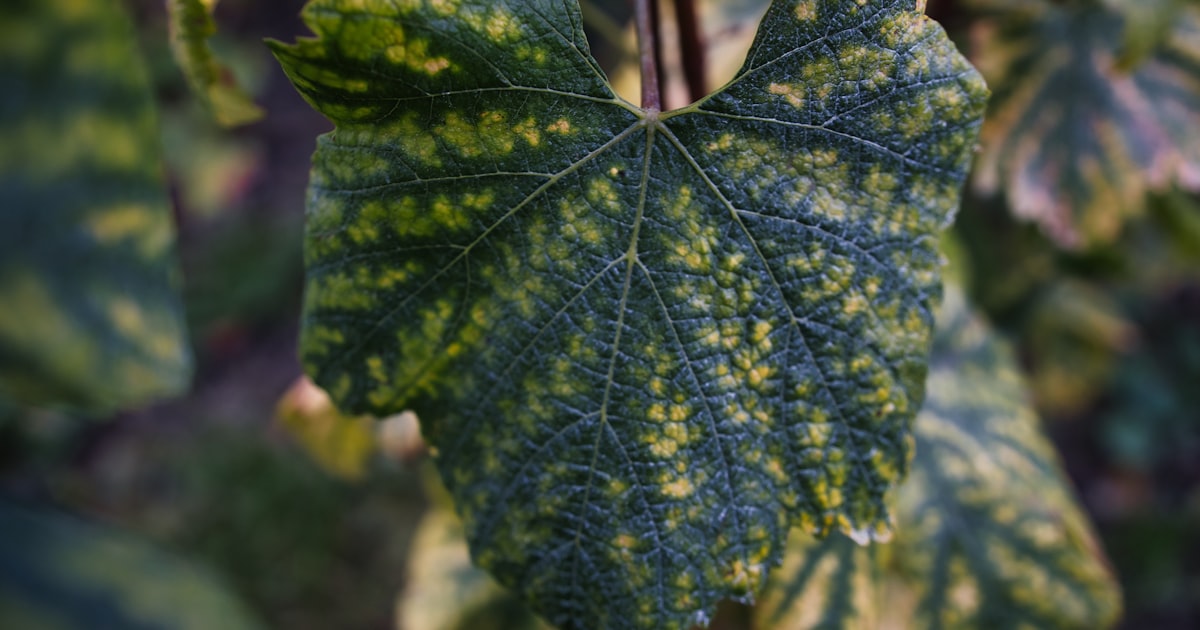
Nothing takes the joy out of gardening faster than watching a healthy plant turn into a spotty, wilting mess. Plant diseases can feel confusing and frustrating, especially when you are not sure what you are looking at or what to do about it.
The good news? Most garden diseases are preventable. And even when they do strike, catching them early and knowing what you are dealing with makes all the difference. Let’s break down the most common diseases you will encounter in Australian gardens and, more importantly, how to stop them before they start.
The Three Types of Plant Disease
Plant diseases fall into three main categories, and understanding which type you are dealing with determines how you respond.
Fungal Diseases (The Most Common)
Fungi cause the vast majority of plant diseases in home gardens. They thrive in warm, humid conditions and spread through spores in the air, water, and soil.
Powdery Mildew That white, powdery coating on leaves? Classic powdery mildew. It is one of the most common fungal diseases in Australian gardens and affects a huge range of plants including pumpkin, zucchini, cucumber, peas, and roses.
It thrives when days are warm and nights are cool, with poor airflow around plants.
Downy Mildew Often confused with powdery mildew, but different. Downy mildew shows as yellowish patches on the top of leaves with a greyish, fuzzy growth underneath. It prefers cool, damp conditions and is common on lettuce, brassicas, and grapes.
Black Spot Mainly a rose disease, showing as dark spots on leaves that eventually turn yellow and drop. It spreads via water splash, so overhead watering makes it worse.
Rust Appears as small orange, yellow, or brown pustules on the undersides of leaves. Common on beans, leeks, garlic, and many ornamental plants. It loves humid conditions.
Damping Off A seedling killer. Young seedlings suddenly collapse at the soil line and die. Caused by several soil-borne fungi that thrive in wet, overcrowded conditions.
Bacterial Diseases
Less common than fungal diseases but can be devastating.
Bacterial Wilt Plants wilt suddenly despite having plenty of water. Cut a stem and you may see brown streaking inside. Common in tomatoes, capsicums, and potatoes. It lives in the soil and is very difficult to treat. Prevention and removal are your only real options.
Bacterial Leaf Spot Shows as dark, water-soaked spots on leaves, often with a yellow halo. Affects tomatoes, capsicums, and some leafy greens. Spreads through water splash.
Viral Diseases
Viruses are usually spread by sap-sucking insects like aphids and whitefly.
Mosaic Virus Causes mottled, yellowed patterns on leaves (looks a bit like a mosaic, hence the name). Affected plants may be stunted and produce poorly. Common in tomatoes, cucumbers, beans, and many other crops.
There is no cure for viral diseases. Infected plants should be removed and disposed of in the bin, not the compost.
HEALTHY GARDEN HABITS
Prevent problems before they start
VeggieCrush's care reminders help you maintain healthy garden practices like proper watering and spacing that keep diseases at bay.
Download the free appDisease Identification Quick Reference
| Disease | What It Looks Like | Common Crops Affected | Type |
|---|---|---|---|
| Powdery mildew | White powdery coating on leaves | Pumpkin, zucchini, peas, cucumber | Fungal |
| Downy mildew | Yellow patches on top, grey fuzz underneath | Lettuce, brassicas, grapes | Fungal |
| Black spot | Dark spots, yellowing leaves | Roses | Fungal |
| Rust | Orange/brown pustules on leaf undersides | Beans, leeks, garlic | Fungal |
| Damping off | Seedlings collapse at soil line | All seedlings | Fungal |
| Bacterial wilt | Sudden wilting, brown stems inside | Tomatoes, capsicum, potato | Bacterial |
| Bacterial leaf spot | Dark water-soaked spots with yellow halo | Tomatoes, capsicum | Bacterial |
| Mosaic virus | Mottled yellow/green pattern on leaves | Tomatoes, cucumber, beans | Viral |
Prevention: Your Best Defence
Here is the thing about plant diseases. Once they take hold, they are difficult to cure. Prevention is always, always more effective than treatment. These habits will keep most diseases out of your garden.
1. Good Airflow and Spacing
Overcrowded plants create a humid microclimate that fungi absolutely love. Follow the spacing recommendations for each crop. Yes, your garden will look a bit sparse when plants are young, but they will fill in. And the improved airflow will make a huge difference to plant health.
2. Water at the Base, Not the Leaves
This single habit prevents a remarkable number of diseases. Fungal spores need moisture on leaves to germinate and infect. If you water at the base of the plant (drip irrigation or hand watering at the root zone), leaves stay dry and disease struggles to get started.
3. Crop Rotation
Do not grow the same crop family in the same spot year after year. Soil-borne diseases build up when the same plants are grown repeatedly in one location. Rotate your crops on a 3 to 4 year cycle if possible.
4. Choose Resistant Varieties
Many modern vegetable varieties have been bred for disease resistance. Check seed packets and plant labels. You will often see codes like “PM” (powdery mildew resistant) or “V” (verticillium resistant). These are worth seeking out.
5. Clean Up Garden Debris
Fallen leaves and old plant material are breeding grounds for fungal spores. Remove spent crops promptly. Keep garden beds tidy. This is especially important in autumn when conditions become ideal for fungal growth.
6. Healthy Soil, Healthy Plants
Plants growing in healthy, well-fed soil are naturally more resistant to disease. Compost, mulch, and good soil care are your foundation. A strong plant fights off disease much better than a stressed one.
Organic Treatments
When prevention fails, here are some organic options:
For Powdery Mildew
Milk spray: Mix 1 part full-cream milk to 9 parts water. Spray on affected leaves in the morning. The proteins in milk have antifungal properties. It sounds odd, but it genuinely works.
Baking soda spray: Mix 1 tablespoon of baking soda and a few drops of liquid soap in 4 litres of water. Spray weekly as a preventative or at the first sign of infection. The alkaline environment inhibits fungal growth.
For Fungal Diseases Generally
Copper-based sprays: Available from garden centres, copper fungicide is effective against many fungal and some bacterial diseases. Follow the label directions carefully. Copper can build up in the soil if overused.
Neem oil: A broad-spectrum organic treatment that has fungicidal properties. Mix according to directions and spray in the cooler part of the day.
Sulphur spray: Effective against powdery mildew, rust, and some other fungal diseases. Do not apply when temperatures are above 30 degrees as it can burn leaves.
TROUBLESHOOT WITH CONFIDENCE
Spot problems early with VeggieCrush
Regular care reminders help you stay on top of garden health. Catch diseases early when they are easiest to manage.
Download the free appWhen to Remove and Destroy
Sometimes the best course of action is to pull out the affected plant entirely. This is especially true for:
- Viral diseases: No cure exists. Remove and destroy immediately to prevent spread.
- Bacterial wilt: Soil-borne and very difficult to treat. Remove the plant and do not grow the same family in that spot for several years.
- Severely infected plants: If more than half the plant is affected, it is usually not worth saving. Remove it to protect neighbouring plants.
It is tough to pull out a plant you have been nurturing, but one severely diseased plant can infect an entire bed if left in place.
Building Long-Term Disease Resistance
The best gardens are not disease-free. They are disease-resilient. Over time, these practices build a garden that naturally resists problems:
- Build healthy, living soil full of beneficial microbes
- Encourage biodiversity (mixed plantings, not monocultures)
- Attract beneficial insects that control pest populations
- Rotate crops consistently
- Choose locally adapted, disease-resistant varieties
- Maintain good garden hygiene
Think of disease prevention not as a one-off task, but as a set of habits woven into your regular gardening routine. The more consistently you follow them, the fewer problems you will face.
Get the VeggieCrush App
Join thousands of Aussie gardeners growing better with personalised planting reminders, pest alerts, and expert advice.


Free to download on iOS and Android. No credit card required