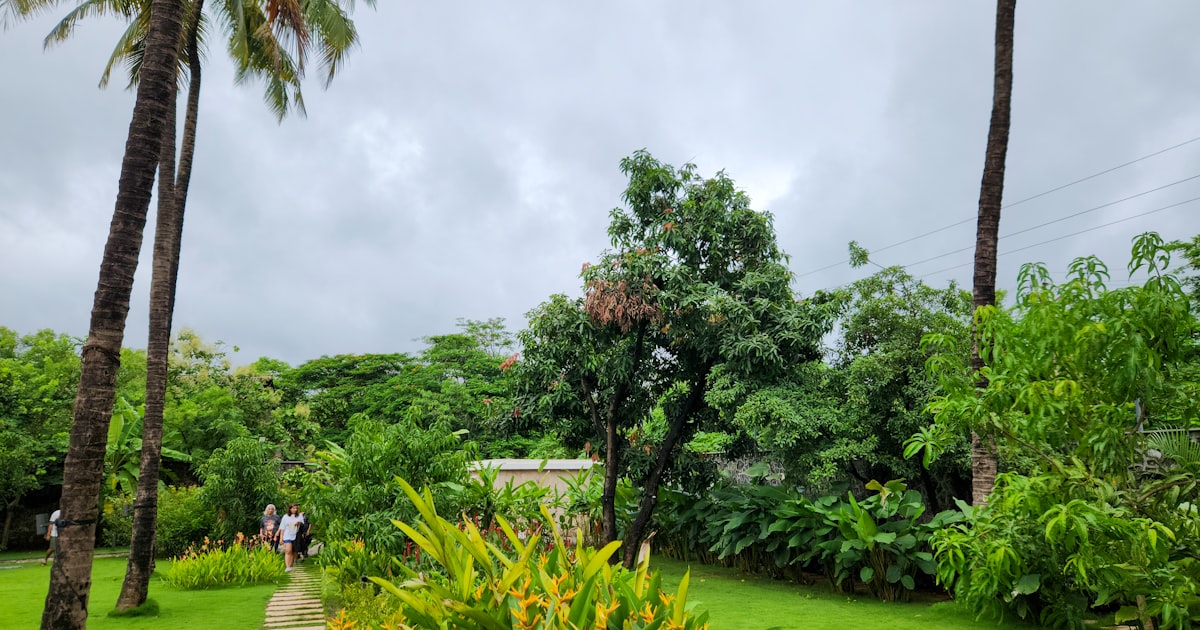
Gardening in the tropics is a completely different ball game. If you have ever tried to grow broccoli in Darwin in December, you already know this. The rules that work in Melbourne or Sydney simply do not apply up here, and the sooner you embrace that, the sooner your garden will take off.
The good news? Tropical Australia can grow some of the most exciting food on the planet. You just need to work with the seasons, not against them.
Two Seasons, Not Four
Forget spring, summer, autumn, and winter. In the tropics, you have two seasons that matter.
The Dry Season (roughly May to October): This is your prime growing time. Lower humidity, cooler nights (relatively speaking), minimal rain, and far less pest pressure. Think of this as your “go time” for the veggie garden.
The Wet Season (roughly November to April): Hot, humid, drenching rain, and everything that can grow does grow, including weeds, fungi, and insect populations. This is your planning, soil building, and survival season.
The biggest mistake new tropical gardeners make is trying to grow cool-season crops in the dry and ignoring the wet entirely. Let us fix that.
Dry Season: Your Main Growing Window
When the wet season breaks and the humidity drops, it is time to get planting. The dry season in tropical Australia offers warm days, cool nights, and consistent sunshine. Perfect growing conditions for a huge range of crops.
What Thrives in the Dry
Heat lovers that need some respite from humidity:
- Tomatoes (cherry varieties do best)
- Capsicum and chilli
- Eggplant
- Beans (bush and climbing)
- Corn
- Cucumbers
- Watermelon and rockmelon
Leafy greens (plant early or late in the dry when nights are cooler):
- Lettuce
- Asian greens
- Silverbeet
- Kangkong (water spinach, a tropical favourite)
Root crops:
- Sweet potato (a tropical superstar)
- Radish
- Spring onions
Year-Round Tropical Stars
Some crops love the tropics so much they produce almost year-round.
Sweet potato is possibly the easiest food crop in tropical Australia. Stick a cutting in the ground, keep it watered, and come back in four to five months. The vines also make excellent ground cover.
Okra absolutely thrives in tropical heat. Most varieties produce prolifically from planting right through to the wet season.
Snake beans (also called yard-long beans) are a tropical essential. They handle humidity better than regular beans and produce ridiculous quantities of long, crunchy pods.
Chilli is at home in the tropics. Bird’s eye chilli grows like a weed and self-seeds everywhere. You will never buy chilli again.
Papaya is technically a fruit, but it grows so fast in the tropics that it is almost a veggie garden crop. Plant a seed and you can be harvesting within a year.
TROPICAL GARDENING MADE EASY
Get planting guides built for the Top End
VeggieCrush knows the difference between tropical and temperate. Set your zone and get a planting calendar that actually works for you.
Download the free appWet Season: Survival and Soil Building
The wet season is not the time to fight nature. Temperatures soar, humidity sits at 90% plus, and monsoonal downpours can dump hundreds of millimetres in a day. Most traditional veggie crops will rot, get fungal diseases, or be eaten alive by pests.
Instead of battling the wet, use it productively.
Cover Cropping
This is the perfect time to grow cover crops that build your soil for the next dry season. Tropical cover crops like cowpeas, mung beans, and lablab are fast growing legumes that fix nitrogen and add organic matter. Slash them down before they seed, leave the mulch on the surface, and your beds will be in incredible shape when the dry rolls around.
What You Can Grow in the Wet
A few tough crops can handle wet season conditions.
- Kangkong (water spinach) loves wet, hot conditions. It is practically a weed in the right spot.
- Sweet potato keeps growing through the wet, though harvest is better in the dry.
- Lemongrass, galangal, turmeric, and ginger are tropical herbs that thrive in wet season humidity.
- Rosella (hibiscus) produces beautiful calyxes for jam and tea.
Raised Beds: Your Secret Weapon
Drainage is everything in the tropics. When 300mm of rain falls in an afternoon, your garden beds need to cope.
Raised beds are practically essential for tropical veggie gardening. Build them at least 30 centimetres high, more if your soil is heavy clay. Fill them with a free-draining mix of compost, aged manure, and coarse organic matter.
The extra height also keeps roots out of waterlogged soil during the wet, reduces soil-borne disease, and makes it easier to work in beds without compacting the soil.
Dealing with Extreme Humidity
Humidity is the biggest challenge for tropical gardeners. It creates the perfect conditions for fungal diseases, bacterial problems, and pest explosions.
Spacing. Give plants more room than recommended on the seed packet. Extra airflow between plants helps leaves dry out faster and reduces fungal issues.
Morning watering. Water early in the day so foliage dries before the afternoon humidity peaks. Better yet, use drip irrigation to keep water off the leaves entirely.
Mulching. Keep a thick layer of mulch on all beds. It suppresses weeds, retains moisture in the dry, and prevents soil splash (which spreads disease) in the wet.
Pruning. Keep plants open and airy. Remove lower leaves that touch the soil, especially on tomatoes and eggplant.
Pest Pressure Management
The tropics are alive with creatures, and many of them want to eat your garden.
Fruit fly is public enemy number one for tropical gardeners. Use exclusion netting, baiting stations, and trap crops. Pick fruit as soon as it ripens; do not leave it on the plant.
Grasshoppers and caterpillars can strip plants overnight. Bt (Bacillus thuringiensis) is effective for caterpillars. Physical barriers like fine mesh netting help with both.
Slugs and snails love the wet season. Beer traps, iron-based pellets, and removing hiding spots all help.
Scale, mealybugs, and whitefly thrive in warm, humid conditions. Encourage natural predators like ladybirds and lacewings. Neem oil is a good organic option for bad infestations.
PEST ALERTS FOR YOUR ZONE
Know what is coming before it arrives
VeggieCrush sends seasonal pest alerts based on your location so you can protect your crops before damage starts.
Download the free appShade and Heat Management
Even heat-loving crops can struggle when temperatures consistently hit 35 to 40 degrees. Shade cloth (30 to 50% shade rating) can make a real difference during the hottest months.
Position shade cloth on the western side of your garden to block the worst of the afternoon sun. Some gardeners use removable shade structures that go up for the wet season and come down for the dry.
Growing under deciduous trees can also work beautifully. The tree provides dappled shade in summer when you need it, then drops its leaves in the dry to let the winter sun through.
Wind Protection
Cyclone season is a reality in the Top End. Even without cyclones, strong wet season storms can flatten a garden in minutes.
Windbreaks made from tough tropical plants like lemongrass, bananas, or pigeon pea provide protection and produce food at the same time. Position them on the side of your garden that faces prevailing winds.
Temporary structures like shade cloth screens can also reduce wind damage during storm season.
A Sample Tropical Planting Calendar
| Month | Activity |
|---|---|
| April/May | Wet season winding down. Start preparing beds. Plant cover crops if not already done. |
| May/June | Dry season begins. Plant tomatoes, capsicum, beans, corn, lettuce. |
| July/August | Peak planting. Succession sow everything. Plant root crops. |
| September | Last plantings of short-season crops. Harvest in full swing. |
| October | Transition. Finish harvesting. Prepare for the wet. |
| November to March | Wet season. Cover crops, soil building, tropical crops only. |
Wrapping Up
Tropical gardening is not harder than temperate gardening. It is just different. Once you stop fighting the wet season and start embracing the dry season as your main growing window, everything clicks into place.
Focus on crops that love the heat, build your soil during the wet, invest in raised beds with great drainage, and keep an eye on pests. The tropics can produce an incredible amount of food, sometimes faster than anywhere else in Australia. Work with the seasons and your garden will reward you big time. Happy growing.
Get the VeggieCrush App
Join thousands of Aussie gardeners growing better with personalised planting reminders, pest alerts, and expert advice.


Free to download on iOS and Android. No credit card required