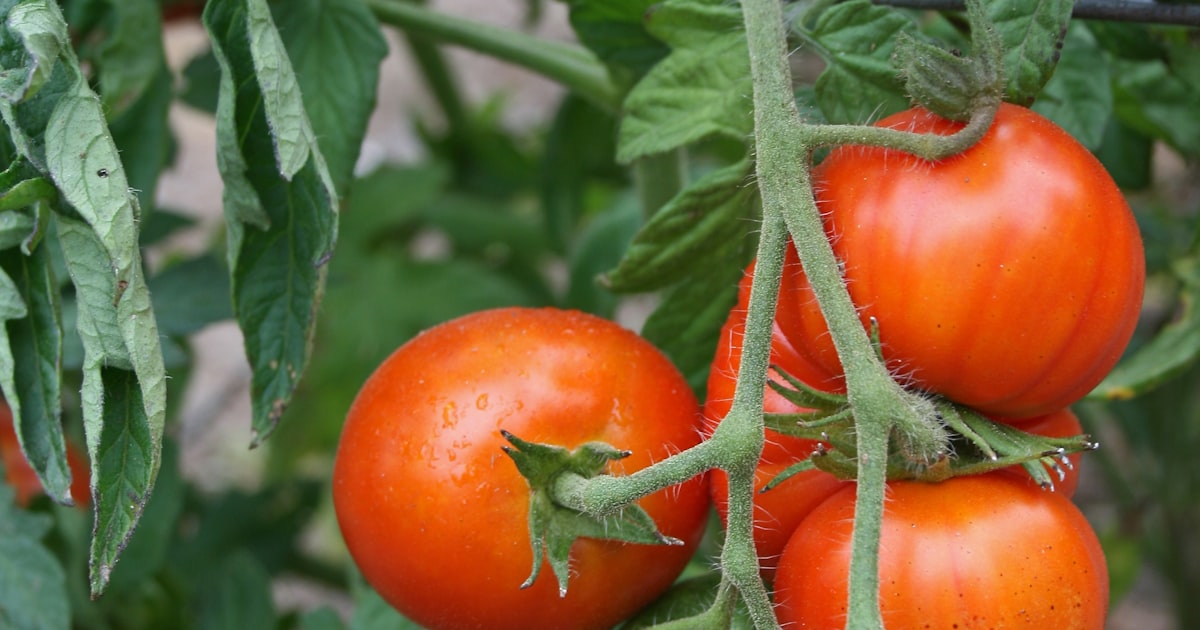
If there is one plant that gets people into gardening, it is the humble tomato. There is nothing quite like biting into a sun-warmed tomato you grew yourself. But before you grab the first punnet of seedlings at Bunnings, you need to answer one important question: bush or vining?
Let us break it down so you can pick the perfect tomato for your space, your patience level, and your sandwich obsession.
The Two Types: A Quick Explainer
Tomatoes fall into two broad camps, and knowing the difference will save you a lot of confusion (and a lot of tangled plants).
Determinate (Bush) Tomatoes grow to a set height, usually around 60cm to 1.2m, then stop. They produce most of their fruit in one big flush over a few weeks, then they are done for the season. Think of them as the “get in, get out” type.
Indeterminate (Vining) Tomatoes just keep growing. And growing. And growing. They will climb 2m or more if you let them, and they produce fruit continuously throughout the warm season until frost or disease stops them.
Quick Facts: Bush Tomato
| Detail | Info |
|---|---|
| Family | Nightshade (Solanaceae) |
| Sun | Full sun (6+ hours) |
| Water | Regular, consistent |
| Difficulty | Moderate |
| Weeks to Harvest | 10-14 weeks |
| Growth Habit | Compact, bushy |
Quick Facts: Vining Tomato
| Detail | Info |
|---|---|
| Family | Nightshade (Solanaceae) |
| Sun | Full sun (6+ hours) |
| Water | Regular, consistent |
| Difficulty | Moderate |
| Weeks to Harvest | 12-16 weeks |
| Growth Habit | Tall, climbing |
So, Which One Is Right for You?
Here is the honest answer: it depends on your setup.
Choose Bush Tomatoes If You:
- Garden in pots or containers
- Have a small balcony or courtyard
- Want a big harvest all at once (great for sauce making)
- Do not want to fuss with staking and pruning
- Are a total beginner and want something forgiving
Choose Vining Tomatoes If You:
- Have a decent garden bed with room for stakes or cages
- Want tomatoes trickling in all summer long
- Enjoy a bit of garden maintenance (pruning laterals is oddly satisfying)
- Want the biggest, most flavourful varieties
TRACK YOUR TOMATOES
Never miss a watering or feeding day
VeggieCrush gives you a personalised care schedule for your tomatoes based on your climate zone. No guesswork, just juicy results.
Download the free appBest Varieties for Australian Conditions
Australia’s warm climate is brilliant for tomatoes, but you want varieties that can handle the heat. Here are some winners.
Bush Varieties
- Roma: The classic sauce tomato. Meaty, less watery, and produces loads.
- Tiny Tim: Perfect for pots. Adorable little cherry tomatoes on a compact plant.
- Scoresby Dwarf: An Aussie favourite bred for our conditions. Reliable and productive.
Vining Varieties
- Grosse Lisse: The Australian backyard legend. Big, juicy slicing tomatoes.
- Tommy Toe: Small, sweet cherry tomatoes that produce like crazy.
- Black Russian: Deep, complex flavour. A bit of a show-off in the garden.
- Mortgage Lifter: Massive fruit, incredible flavour. The name says it all.
Staking and Pruning Basics
Bush Tomatoes
Bush types are pretty low maintenance. A short stake or a round tomato cage is usually enough to keep them upright. You do not need to prune them, just let them do their thing.
Vining Tomatoes
Vining types need proper support. Here are your options:
- Single stake: Tie the main stem to a sturdy 1.8m stake as it grows. Simple and effective.
- Tomato cage: A wire cage that the plant grows up through. Less tying required.
- String trellis: Run a wire above your garden bed and hang strings down. Train each plant up a string. This is what the pros use.
Pruning laterals: On vining tomatoes, little shoots appear in the “armpit” where a branch meets the main stem. These are called laterals or suckers. Pinch them off when they are small to direct the plant’s energy into fruit production rather than leaf growth. You do not need to remove every single one, but keeping the plant to two or three main stems will give you bigger, better fruit.
Fruit Fly Protection
If you grow tomatoes in Australia, you will eventually meet the Queensland fruit fly. These little pests lay eggs inside your fruit, and the first sign is usually a mushy, maggoty tomato. Not ideal.
Here is how to fight back:
- Exclusion netting: Cover your plants with fine mesh netting. This is the most effective method, full stop.
- Fruit fly traps: Hang protein-based traps near your plants from early spring.
- Pick early: Harvest tomatoes at the first blush of colour and ripen them on the kitchen bench.
- Clean up: Remove any fallen or damaged fruit immediately.
PEST ALERTS FOR YOUR AREA
Know what is bugging your garden
VeggieCrush helps you identify and manage pests like fruit fly with region-specific advice tailored to your tomato varieties.
Download the free appCommon Tomato Problems (and What to Do)
Blossom End Rot
That ugly black patch on the bottom of your tomato is blossom end rot. It is not a disease, it is a calcium uptake issue, usually caused by inconsistent watering. The fix is simple: water regularly and deeply, and mulch around the base to keep moisture levels even.
Splitting and Cracking
Tomatoes split when they get a sudden surge of water after a dry spell. The fruit swells faster than the skin can stretch. Again, consistent watering is your best friend. Mulch, mulch, mulch.
Yellow Leaves at the Bottom
Some yellowing of lower leaves is totally normal as the plant matures. But if it is spreading upward, it could be a sign of fungal disease. Remove affected leaves, improve airflow around the plant, and water at the base rather than overhead.
Flowers but No Fruit
If your plant is flowering like mad but not setting fruit, it is probably too hot. When daytime temperatures regularly exceed 35 degrees, pollen becomes less viable. Be patient, fruit set will improve when temperatures drop a bit. You can also try gently shaking the plant to help pollination along.
Feeding Your Tomatoes
Tomatoes are hungry plants. Here is a simple feeding schedule:
- At planting: Mix compost and a handful of blood and bone into the soil.
- Once flowering starts: Switch to a potassium-rich fertiliser (look for one labelled for tomatoes or fruiting plants). Seasol PowerFeed for Tomatoes is a popular Australian choice.
- Every 2 weeks: Liquid feed with seaweed solution or fish emulsion throughout the growing season.
Avoid high nitrogen fertilisers once flowering begins. They will give you a magnificent, leafy plant with barely any fruit.
The Bottom Line
Whether you go bush or vining, tomatoes are one of the most rewarding things you can grow. Bush types are brilliant for beginners, small spaces, and batch harvesting. Vining types reward a bit more effort with months of incredible flavour.
Honestly? Grow both. Plant a couple of bush tomatoes in pots by the kitchen door for quick snacking, and let a vining Grosse Lisse take over a corner of the garden bed. Your future self, elbow-deep in a caprese salad, will thank you.
Get the VeggieCrush App
Join thousands of Aussie gardeners growing better with personalised planting reminders, pest alerts, and expert advice.


Free to download on iOS and Android. No credit card required