Long before European settlement, Indigenous peoples across the Americas developed one of the most elegant and efficient planting systems the world has ever seen. Three crops, planted together, each one supporting the others in a beautifully balanced partnership. Corn, beans, and squash: the Three Sisters.
This isn’t just a charming bit of gardening folklore. It’s a genuine agricultural innovation that’s backed by modern science, and it works brilliantly in Australian gardens. If you’ve got the space for it, the Three Sisters method is a rewarding and fascinating way to grow food.
How It Works
The genius of the Three Sisters lies in how each plant contributes something the others need.
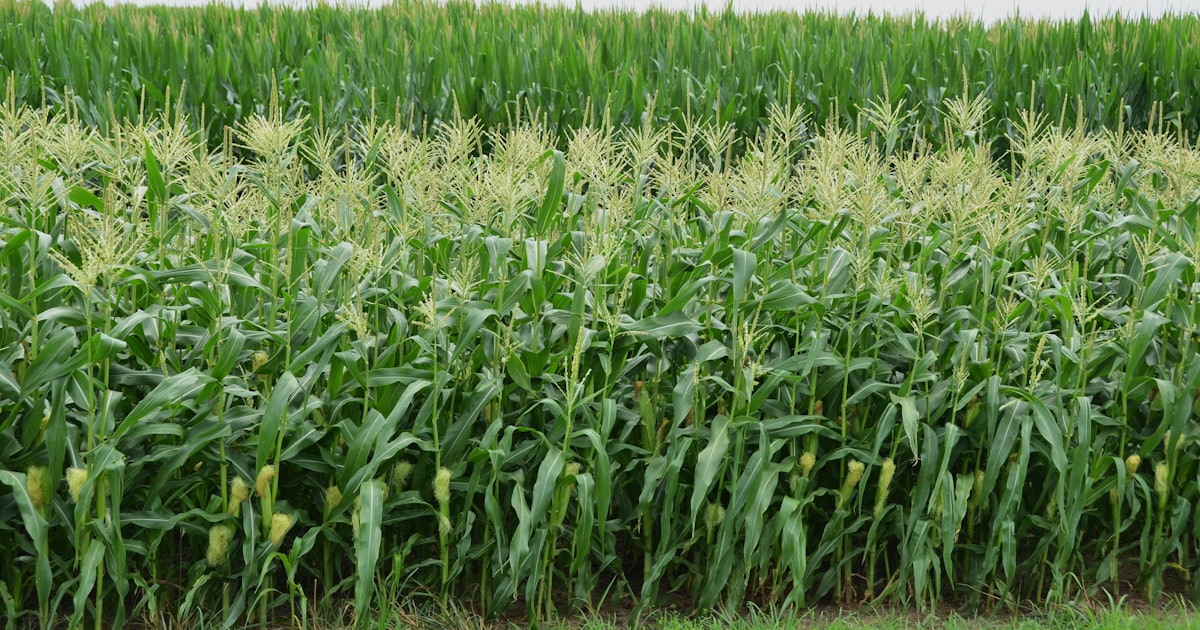
Corn provides the structure. Corn grows tall and strong, creating a natural living trellis for climbing beans. Instead of building a separate support structure, you use the corn stalk itself. Efficient and elegant.
Beans fix the nitrogen. Like all legumes, beans have a special relationship with soil bacteria that allows them to convert atmospheric nitrogen into a form plants can use. This natural fertiliser benefits the nitrogen-hungry corn and squash growing alongside them. Beans also climb the corn stalks, using them for support without causing damage.
Squash shades the ground. The large, spreading leaves of squash or pumpkin create a living mulch across the soil surface. This shades out weeds, reduces moisture evaporation, and keeps the soil cool. The slightly prickly stems and leaves of squash plants also deter some ground-dwelling pests from accessing the corn and beans.
Together, these three plants create a mutually supportive ecosystem that produces more food per square metre than any of them would alone. It’s companion planting at its finest.
The Science Behind It
Modern agricultural research has confirmed what Indigenous farmers knew for thousands of years. Studies have shown that the Three Sisters system:
- Produces higher total yields per unit of land compared to monoculture plantings of each crop.
- Improves soil fertility through the nitrogen fixation of beans, reducing or eliminating the need for added fertiliser.
- Conserves soil moisture through the ground-shading effect of squash leaves, reducing water requirements.
- Suppresses weeds naturally through the squash leaf canopy, reducing the need for cultivation or mulching.
- Supports beneficial insects by creating a diverse planting that attracts a wider range of pollinators and predators than a single crop would.
The system also demonstrates the principle of polyculture: growing multiple crops together rather than in separate blocks. Polyculture systems tend to be more resilient, less prone to pest outbreaks, and better for soil health than monocultures.
Honouring Indigenous Agricultural Wisdom
It’s important to recognise and respect the origins of this planting method. The Three Sisters system was developed by Indigenous peoples of the Americas over thousands of years, and it represents sophisticated agricultural knowledge that was long undervalued by European observers.
While the specific Three Sisters combination comes from the Americas, Indigenous Australians also practised sophisticated land management and food cultivation for tens of thousands of years. Fire-stick farming, yam cultivation, and seed harvesting were all part of complex agricultural systems that sustained communities across this continent.
Growing a Three Sisters garden is a wonderful way to connect with this rich history of Indigenous food knowledge. Consider taking the opportunity to learn more about First Nations agricultural practices, both American and Australian.
COMPANION PLANTING WISDOM
Discover proven planting combinations
VeggieCrush includes companion planting guides based on traditional and modern knowledge, helping you create thriving garden ecosystems.
Download the free appAdapting for Australian Conditions
The classic Three Sisters method originated in a different climate, so a few adaptations help it work well in Australian gardens.
Timing: All three crops are warm-season growers. In most parts of Australia, plant from October to December, once the soil has warmed up and the risk of frost has passed. In tropical and subtropical regions, you can plant earlier (September) or during the wet season.
Corn variety matters. Choose a sturdy variety that grows tall enough to support climbing beans. Sweet corn varieties work well. Avoid dwarf or baby corn varieties as they won’t provide adequate support.
Bean selection. Use climbing beans (not bush beans). In Australia, climbing snake beans are excellent for this system in warmer areas. Standard climbing beans work well in temperate zones. The beans need to twine around something, and tall corn stalks are perfect.
Squash or pumpkin. Choose a vigorous, spreading variety. Butternut pumpkin, Queensland Blue pumpkin, or any winter squash with large leaves and a sprawling habit is ideal. Zucchini can be used but doesn’t spread as widely, so the ground-shading benefit is reduced.
Step-by-Step Planting Guide
What You’ll Need
- A sunny spot with at least 6 hours of direct sunlight
- A plot roughly 3m x 3m (you can go smaller, but the system works better with space)
- Well-composted, fertile soil
- Corn seeds, climbing bean seeds, and pumpkin/squash seeds
Step 1: Prepare the Soil
Dig in plenty of compost and aged manure. The Three Sisters system is productive, and productive plants need rich soil. Create a slight mound or hill about 30cm high and 1m across. In traditional plantings, several mounds are created with paths between them.
Step 2: Plant the Corn First
Sow 5 to 6 corn seeds in a circle on the top of the mound, spacing them about 15cm apart. Corn needs to be planted in blocks (not single rows) for proper wind pollination, so a circular cluster works well.
Water well and wait for the corn to germinate and grow to about 15cm tall before moving to the next step. This usually takes 2 to 3 weeks.
Step 3: Plant the Beans
Once the corn is about 15cm tall, sow 4 to 5 climbing bean seeds around the corn, about 15cm away from the corn stalks. The beans will germinate quickly and start climbing the corn within a couple of weeks.
Step 4: Plant the Squash
At the same time as the beans (or a week later), sow 2 to 3 pumpkin or squash seeds around the edge of the mound, about 30cm from the corn. These will spread outward, covering the ground between mounds.
Step 5: Water and Wait
Keep the mound consistently moist, especially during establishment. Once the system is growing well, the squash canopy will help conserve moisture. Mulch any bare soil between mounds with straw.
Spacing and Layout
If you’re creating multiple mounds, space them about 1.5m apart (centre to centre) to allow the squash to spread between them. A grid of four mounds fits nicely in a 3m x 3m area and gives you a productive Three Sisters patch.
For smaller gardens, even a single mound with all three crops will demonstrate the principle and produce a surprising amount of food.
Which VeggieCrush Varieties Work Best
If you’re planning a Three Sisters garden using VeggieCrush to track your plants, here are the best choices:
- Corn: Sweet corn varieties are the go. Look for tall, sturdy types.
- Beans: Climbing Bean is your pick. Choose any climbing variety and train it up the corn.
- Squash: Pumpkin or Squash, both work beautifully. Butternut and Queensland Blue are classics, or use any sprawling winter squash.
PLAN YOUR THREE SISTERS GARDEN
Track corn, beans, and squash together
VeggieCrush lets you plan and track your Three Sisters planting, with reminders for each stage of the staggered planting process.
Download the free appModern Variations
Some gardeners add a “fourth sister” to the mix. Sunflowers planted on the north side of the mound provide additional support for beans and attract pollinators. Others add a low-growing herb like oregano or basil as ground cover alongside the squash.
You can also experiment with different combinations based on the same principles. Corn with cucumber and bush beans. Sunflowers with climbing peas and pumpkin. The underlying logic of structure, nitrogen fixation, and ground cover can be applied in many creative ways.
Harvesting
The Three Sisters mature at different rates, so you’ll harvest over an extended period.
- Beans are usually ready first. Pick climbing beans regularly to encourage continued production.
- Corn is typically ready in mid to late summer. Check by peeling back the husk slightly; the kernels should be plump and release a milky liquid when pierced.
- Pumpkin/squash is the last to mature, often not ready until late autumn. Leave it on the vine until the stem starts to dry and the skin is hard.
The Bottom Line
The Three Sisters is more than a planting technique. It’s a testament to thousands of years of agricultural wisdom and observation. It’s a system that produces abundant food, builds soil health, and creates a beautiful, interconnected garden. Give it a go this spring and experience the magic of three plants working together in perfect harmony.
Get the VeggieCrush App
Join thousands of Aussie gardeners growing better with personalised planting reminders, pest alerts, and expert advice.


Free to download on iOS and Android. No credit card required