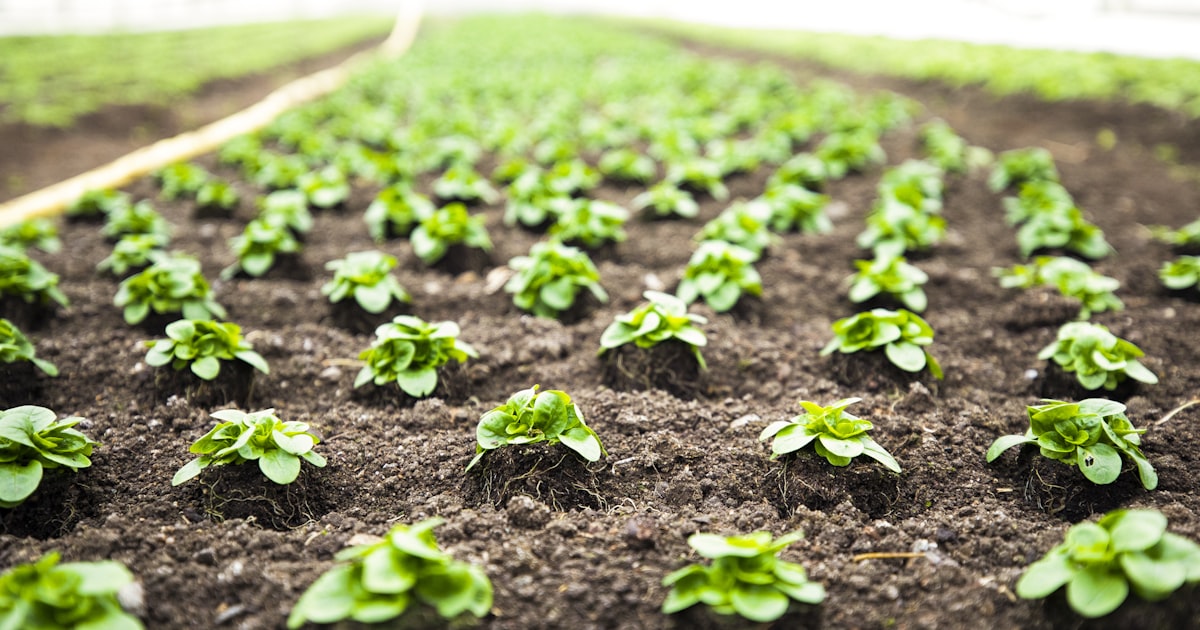
Got a tiny backyard? A courtyard? Maybe just a sunny patch of concrete where you can fit a raised bed? Good news: you don’t need a sprawling veggie patch to grow a serious amount of food. Welcome to square foot gardening, the method that turns small spaces into productive powerhouses.
What Is Square Foot Gardening?
Square foot gardening (SFG) was popularised by Mel Bartholomew back in the 1980s, and it’s become one of the most loved approaches for small space growers around the world. The concept is beautifully simple: instead of planting in long rows with wasted space between them, you divide your garden bed into a grid of squares, each roughly 30cm by 30cm (one square foot). Each square gets a specific number of plants based on their size.
No wasted space. No confusing row spacing. Just a tidy, organised grid that makes the most of every centimetre.
Why It Works So Well
Traditional row gardening was designed for farms, not backyards. Those wide paths between rows? That’s for tractors and machinery. You don’t need any of that in a home garden. SFG eliminates the wasted walkway space and focuses all your soil, water, and nutrients on growing actual food.
Here’s what makes it brilliant:
- More food in less space: You can grow the same amount of produce in about 20% of the space
- Less weeding: Dense planting shades out weeds naturally
- Less water waste: You’re watering a concentrated area, not empty paths
- Perfect for beginners: The grid system takes all the guesswork out of spacing
- Visually satisfying: There’s something deeply pleasing about a well-organised grid of veggies
Setting Up Your First SFG Bed
The classic SFG bed is 1.2m by 1.2m (4 feet by 4 feet), giving you 16 squares to work with. This size means you can reach the centre from any side without stepping on the soil, which is important for keeping it uncompacted.
Building the Bed
You can build your raised bed from timber (untreated hardwood or treated pine rated for garden use), corrugated iron, or even recycled materials. A depth of 15 to 30cm works well for most veggies. If you’re placing it on concrete or hard ground, go deeper to give roots more room.
The Grid
Lay a physical grid over your bed using string, thin timber strips, or even old venetian blinds cut to size. This visual guide is what makes SFG so effective. Without the grid, you’ll end up eyeballing it, and things get messy fast.
The Magic Soil Mix
Mel Bartholomew’s original recipe calls for equal parts:
- Compost (a blend of several types is ideal)
- Peat moss (or coco peat, which is more sustainable and readily available in Australia)
- Coarse vermiculite (for drainage and moisture retention)
This mix is lightweight, nutrient-rich, and drains beautifully. It’s especially great if your existing soil is poor quality, as you’re essentially creating perfect growing conditions from scratch.
In Australia, a practical alternative is to use a good quality raised bed mix from your local landscape supply and blend it 50/50 with quality compost. Top it up with fresh compost each season.
PLAN YOUR GRID
VeggieCrush's garden planner uses the square foot system
Drag and drop plants into your virtual garden grid and see exactly how many fit in each square. Planning has never been this easy.
Download the free appPlants Per Square: The Cheat Sheet
This is the heart of SFG. Each plant gets a specific allocation based on its mature size. Here’s a handy reference for common VeggieCrush plants:
| Plants per Square | What to Grow |
|---|---|
| 1 plant | Tomato, capsicum, eggplant, broccoli, cauliflower, cabbage |
| 2 plants | Cucumber, rockmelon, zucchini (with vertical support) |
| 4 plants | Lettuce, basil, silverbeet, kale |
| 8 plants | Bush beans, peas |
| 9 plants | Spinach, beetroot, turnip |
| 16 plants | Spring onions, radish, carrot |
Succession Planting Within Squares
Here’s where SFG gets really clever. When you harvest a square (say, your radishes are done after 4 weeks), you don’t leave it empty. You replant immediately with something new.
A single square can produce three or even four different crops across a growing season. For example:
- Early autumn: Plant 16 radishes
- Mid autumn: Harvest radishes, replant with 4 lettuce
- Winter: Harvest lettuce, replant with 9 spinach
- Early spring: Harvest spinach, replant with 8 bush beans
This rotation keeps your bed productive year-round and makes the absolute most of your limited space. It also naturally helps with pest and disease management, since you’re not growing the same crop in the same spot repeatedly.
Planning Your First SFG Bed
If you’re just starting out, here’s a suggested layout for a 1.2m by 1.2m bed (16 squares) that works well in most Australian climates during the cooler months:
| Row | Square 1 | Square 2 | Square 3 | Square 4 |
|---|---|---|---|---|
| 1 | 4 Lettuce | 9 Spinach | 16 Radish | 4 Kale |
| 2 | 1 Broccoli | 16 Spring Onion | 9 Beetroot | 4 Chard |
| 3 | 16 Carrot | 1 Cauliflower | 4 Lettuce | 9 Spinach |
| 4 | 8 Peas | 16 Spring Onion | 1 Cabbage | 16 Radish |
That’s a LOT of food from a space barely bigger than a dining table.
Common SFG Mistakes
Overcrowding: It’s tempting to squeeze in “just one more” plant, but overcrowding leads to poor airflow, disease, and stunted growth. Trust the spacing guide.
Forgetting to feed: SFG soil mix is great, but intensive planting means intensive nutrient use. Top-dress with compost between crops and use a liquid fertiliser every couple of weeks.
Ignoring vertical space: A trellis along one side of your bed lets you grow climbing beans, cucumbers, and peas without sacrificing square footage. Think up, not out.
Not rotating crops: Even in a small bed, try not to plant the same family in the same square back to back. Rotate your brassicas, legumes, and root veggies around the grid each season.
TRACK YOUR SQUARES
Never lose track of what's planted where
VeggieCrush keeps a record of every square in your garden, so crop rotation and succession planting become second nature.
Download the free appSFG for Renters and Apartment Dwellers
You don’t even need a backyard. A single raised bed on a sunny balcony can be your SFG garden. Use a lightweight pot mix to reduce weight on the balcony, and consider a half-size bed (1.2m by 0.6m, or 8 squares) if space is really tight.
Even 8 squares can produce a remarkable amount of salad greens, herbs, and small veggies throughout the year. It’s about making the most of what you’ve got.
The Bottom Line
Square foot gardening strips away the complexity of traditional veggie gardening and replaces it with a system that’s logical, space-efficient, and incredibly satisfying. Whether you’ve got a sprawling backyard or a small sunny corner, the grid system helps you grow more with less effort.
Start with one bed, 16 squares, and a handful of your favourite veggies. You’ll be amazed at how much food fits in such a small space.
Happy planning!
Get the VeggieCrush App
Join thousands of Aussie gardeners growing better with personalised planting reminders, pest alerts, and expert advice.


Free to download on iOS and Android. No credit card required