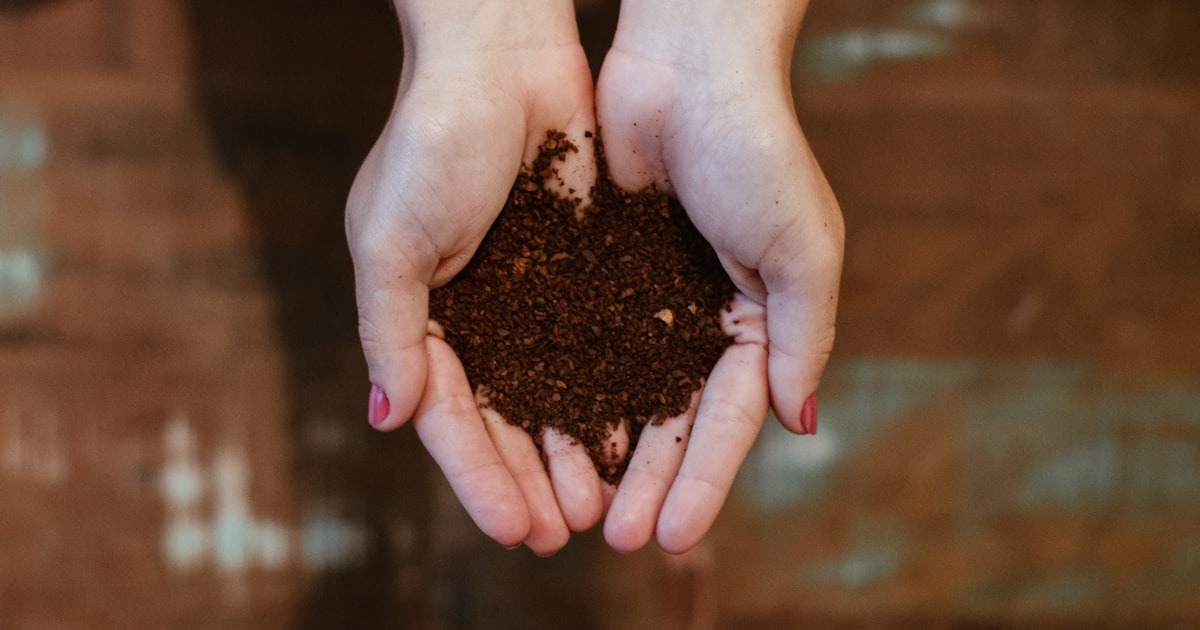
Here is a secret that experienced gardeners know: you do not grow plants. You grow soil. Get the soil right and the plants practically take care of themselves.
Soil is not just dirt. It is a living, breathing ecosystem full of bacteria, fungi, worms, and micro-organisms that work together to feed your plants. Understanding even the basics of soil will make a massive difference to your gardening success, especially here in Australia where our soils have some unique characteristics.
Why Australian Soil Is Different
Australia is home to some of the oldest soils on Earth. While much of Europe and North America has relatively young, nutrient-rich soils refreshed by volcanic activity and glaciation, Australian soils have been sitting here for millions of years, slowly losing their nutrients through weathering and erosion.
This means that, generally speaking, Australian soils are:
- Lower in nutrients than soils in many other countries
- Often low in phosphorus, which is essential for root development and fruiting
- Variable in pH, ranging from very acidic to very alkaline depending on location
- Sometimes water-repellent after drying out, especially sandy soils
None of this is a deal-breaker. It just means we need to actively build and feed our soil rather than assuming it will do the job straight out of the ground.
The Main Soil Types You Will Encounter
Sandy Soil
Where you find it: Coastal areas, Perth, parts of Sydney’s eastern suburbs, coastal Queensland.
What it feels like: Gritty, falls apart in your hand, drains very quickly.
Pros: Excellent drainage, warms up fast in spring, easy to dig.
Cons: Nutrients and water wash straight through. You will need to water more often and add plenty of organic matter to help it hold moisture and food for your plants.
Clay Soil
Where you find it: Western Sydney, Melbourne suburbs, much of inland Australia.
What it feels like: Sticky when wet, rock-hard when dry, forms a tight ball in your hand.
Pros: Holds nutrients well, retains moisture.
Cons: Drains poorly, can become waterlogged, hard for roots to push through when compacted. Heavy to work with.
Loam
Where you find it: Lucky pockets here and there. Volcanic regions like parts of South Australia, Western Victoria, and North Queensland.
What it feels like: Crumbly, dark, holds together loosely when squeezed.
Pros: The goldilocks soil. Good drainage, good water retention, good nutrient holding. If you have natural loam, you have hit the jackpot.
Cons: Honestly, not many. Just keep feeding it organic matter to maintain its quality.
Red Volcanic Soil
Where you find it: Parts of North Queensland, the Atherton Tablelands, some areas around Toowoomba.
What it feels like: Fine, rich, deep red colour.
Pros: Generally fertile and well-structured. Great for growing.
Cons: Can be acidic. May need lime to adjust pH for some crops.
NEW TO SOIL PREP?
VeggieCrush walks you through garden setup
Get step by step soil preparation guides tailored to your plants and growing conditions. No gardening degree required.
Download the free appThe Simple Jar Test
Want to know what kind of soil you have? Try this quick test.
- Fill a clear glass jar about one third full with soil from your garden.
- Top it up with water, leaving a couple of centimetres at the top.
- Add a drop of dishwashing liquid.
- Screw the lid on tight and shake vigorously for a minute.
- Set it down and leave it for 24 hours.
After 24 hours, you will see layers.
- Bottom layer (settles first): Sand
- Middle layer: Silt
- Top layer (settles last): Clay
- Floating bits: Organic matter
If your jar is mostly sand at the bottom, you have sandy soil. If there is a thick clay layer on top, you have heavy clay. A fairly even mix of all three? Congratulations, that is loam.
Understanding pH
pH measures how acidic or alkaline your soil is, on a scale from 0 (very acidic) to 14 (very alkaline). Most vegetables prefer a slightly acidic to neutral range of about 6.0 to 7.0.
Too acidic? Add garden lime or dolomite lime to raise the pH.
Too alkaline? Add sulphur or plenty of organic matter to lower it.
You can test your soil pH with a simple kit from any garden centre or hardware store. They cost a few dollars and take about two minutes.
How to Improve Any Soil
Here is the good news: no matter what soil type you are starting with, the fix is almost always the same. Add organic matter. Lots of it.
Compost
Compost is decomposed organic material and it is the single best thing you can do for your soil. It improves drainage in clay, improves water retention in sand, adds nutrients, feeds soil organisms, and generally makes everything better.
You can buy bags of compost from hardware stores and garden centres, or you can make your own from kitchen scraps and garden waste. If you are just starting out, buying it is totally fine.
Aged Manure
Cow, horse, sheep, and chicken manure are all excellent soil improvers. The key word is “aged” or “composted.” Fresh manure is too strong and can burn plants. Chicken manure is the richest but needs the most composting time.
Mulch
Mulch is material you spread on the surface of the soil. It reduces water evaporation, suppresses weeds, moderates soil temperature, and slowly breaks down to feed the soil underneath.
Great mulch options in Australia include:
- Sugar cane mulch (widely available, affordable)
- Lucerne hay (adds nitrogen as it breaks down)
- Wood chips (great for paths and around established trees)
- Straw (cheap and effective)
Aim for a layer about 5 to 10 centimetres thick, keeping it a few centimetres away from plant stems to prevent rot.
Worm Castings
If you have a worm farm (or want to start one), worm castings are like supercharged compost. They are packed with beneficial microbes and nutrients in a form that plants can use immediately.
PLANNING YOUR FIRST GARDEN BED?
Let VeggieCrush guide your setup
From soil prep to planting day, get a personalised timeline that tells you exactly what to do and when to do it.
Download the free appThe Lazy Gardener’s Soil Strategy
If all of this feels like a lot, here is the simplest possible approach.
- Buy a bag of good quality potting mix if you are growing in containers. Done. That is all you need to start.
- For garden beds, spread a 5 to 10cm layer of compost on top and mix it into the top 15cm of existing soil. Add mulch on top.
- Repeat every season. Just keep adding compost and mulch. Your soil will get better and better over time.
That is genuinely it. Soil improvement is not a one-time thing; it is an ongoing relationship. But even a single application of compost will make a noticeable difference.
Your Soil Will Thank You
Good soil is the foundation of a good garden. You do not need to become a soil scientist, but understanding the basics of what you are working with and how to improve it will save you so much frustration down the track.
Start with compost, add some mulch, and keep building from there. Your plants will show their appreciation with healthy growth, bigger harvests, and fewer problems. It all starts beneath your feet.
Get the VeggieCrush App
Join thousands of Aussie gardeners growing better with personalised planting reminders, pest alerts, and expert advice.


Free to download on iOS and Android. No credit card required