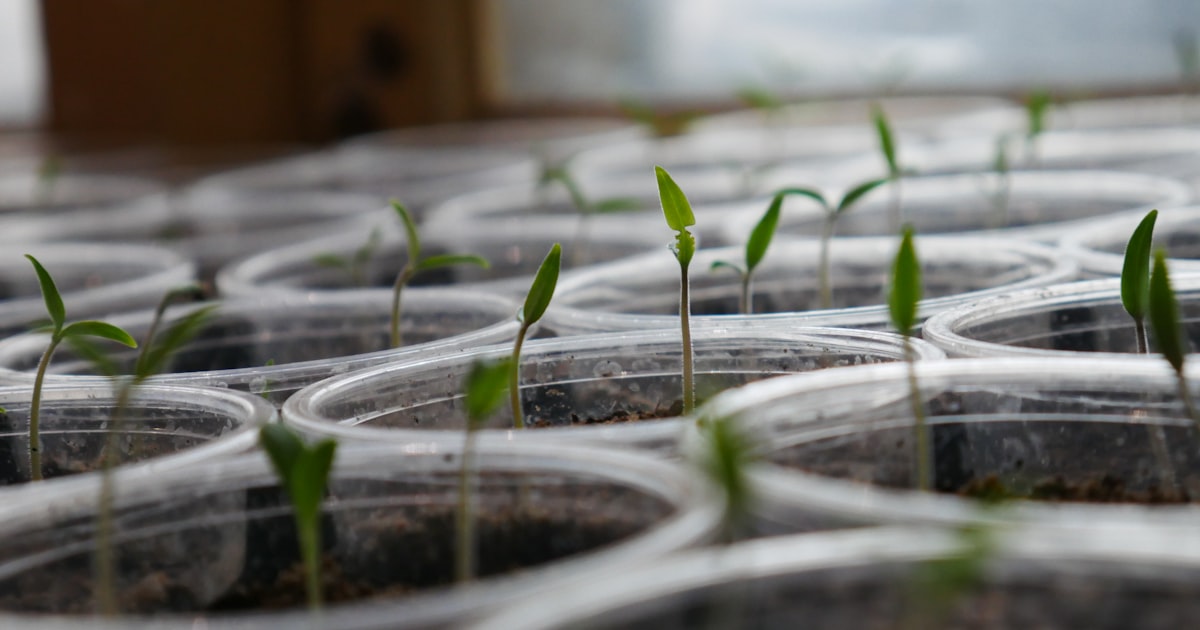
There’s something magical about watching a tiny seed crack open and push a green shoot towards the light. Starting seeds indoors is one of the most satisfying things you can do as a gardener, and it gives you a genuine head start on the growing season. While it’s still too cold (or too hot) outside, your seedlings can be happily growing on a windowsill, ready to hit the ground running when conditions are right.
Plus, growing from seed opens up a world of variety. Instead of being limited to whatever six-packs the nursery stocks, you can grow heritage tomatoes, unusual capsicum varieties, and interesting greens that you’d never find as seedlings. Let’s walk through everything you need to know.
Which Seeds to Start Indoors
Not all seeds benefit from an indoor start. Some actually prefer being sown directly into the garden. Here’s a helpful breakdown.
Start Indoors (Then Transplant)
- Tomatoes need a long, warm season. Starting them indoors 6 to 8 weeks before your last frost date gives them a crucial head start.
- Capsicum and chilli are slow growers. Start 8 to 10 weeks early.
- Eggplant is another heat lover that benefits from early indoor sowing.
- Broccoli, cauliflower, and cabbage can be started indoors 4 to 6 weeks before transplanting into cooler conditions.
- Lettuce and other salad greens can be started indoors for a very early crop.
- Celery is notoriously slow to germinate and grow. Indoor starting is almost essential.
Direct Sow (Skip the Indoor Stage)
- Beans and peas grow so fast there’s no advantage to starting them early. They also dislike root disturbance.
- Carrots, parsnips, and radishes are root crops that don’t transplant well. Always sow direct.
- Corn needs to be sown directly in blocks for proper pollination.
- Cucumbers and zucchini can be started indoors but grow so quickly from seed that direct sowing is usually simpler.
- Beetroot can go either way but tends to transplant without fuss if started in individual cells.
Equipment: What You Actually Need
The internet will have you believe you need a professional greenhouse setup to start seeds. You don’t. Here’s what actually matters.
Seed Trays or Pots
Standard seed-raising trays with individual cells work brilliantly. The cells prevent roots from tangling together, making transplanting much easier. You can also use small pots, recycled punnets, or DIY options (more on that below).
Seed-Raising Mix
This is important. Don’t use regular potting mix or garden soil for seed starting. Seed-raising mix is finer, lighter, and designed to hold moisture without becoming waterlogged. It’s also low in nutrients, which is actually what you want. Tiny seedlings don’t need heavy feeding; they need a gentle, consistent environment.
Heat Mats (Optional but Helpful)
Seeds of warm-season crops like tomatoes, capsicums, and eggplant germinate faster and more reliably with bottom heat. A seedling heat mat keeps the soil at a consistent 20 to 25 degrees, which is ideal for most warm-season seeds.
If you don’t want to buy a heat mat, placing trays on top of the fridge or in a warm spot in the house can work too. Just keep an eye on the temperature.
Light
This is where most indoor seed starting goes wrong. Seedlings need a lot of light. A bright windowsill can work, but in winter it’s often not enough, leading to leggy, stretched seedlings that topple over.
A simple fluorescent or LED grow light positioned 5 to 10cm above the seedlings makes an enormous difference. Keep the light on for 12 to 16 hours per day. Adjust the height as seedlings grow so the light stays close.
PERFECT TIMING FOR SEEDS
Know exactly when to start each seed indoors
VeggieCrush calculates your ideal indoor sowing dates based on your climate zone, so your seedlings are ready right on time.
Download the free appStep by Step: Starting Seeds Indoors
-
Fill your trays with moistened seed-raising mix. It should be damp but not dripping. Press it down gently to remove air pockets.
-
Sow seeds at the depth recommended on the packet. As a general rule, plant seeds at a depth of about twice their diameter. Very fine seeds (like celery) can be sprinkled on the surface and pressed in lightly.
-
Cover with a thin layer of seed-raising mix or vermiculite. Some seeds need light to germinate (check the packet), in which case don’t cover them at all.
-
Water gently using a spray bottle or mister. You don’t want to blast the seeds out of position.
-
Cover trays with a clear lid or plastic wrap to create a mini greenhouse effect. This keeps humidity high and temperatures stable. Remove the cover as soon as seeds germinate.
-
Place in a warm spot or on a heat mat. Check daily for moisture and germination.
-
Move to bright light immediately once seedlings emerge. This is critical. Even one or two days without enough light will cause them to stretch.
-
Thin seedlings if you’ve sown more than one seed per cell. Keep the strongest seedling and snip (don’t pull) the others at soil level.
Hardening Off: The Step People Skip
This is the step that trips up beginners, and it’s one of the most important parts of the process.
Seedlings grown indoors are soft. They’ve been pampered in stable temperatures, protected from wind, and shielded from direct sun. Planting them straight into the garden is a shock to their system, and it can set them back significantly or even kill them.
Hardening off is the gradual process of introducing your seedlings to outdoor conditions over 7 to 10 days.
- Days 1 to 3: Place seedlings outdoors in a sheltered, shaded spot for 2 to 3 hours. Bring them back inside.
- Days 4 to 6: Increase outdoor time to 4 to 6 hours. Introduce some morning sun.
- Days 7 to 10: Leave them out for most of the day, including in direct sun and light wind. Bring in at night if temperatures drop.
- After day 10: Plant them in the garden.
Timing It Right for Your Climate Zone
Getting the timing right is everything. Start too early and your seedlings will be overgrown and leggy before conditions are warm enough to plant out. Start too late and you lose the advantage of an early start.
As a rough guide for warm-season crops in Australia:
- Cool/temperate zones (Melbourne, Adelaide, Hobart): Start indoors in August for a September/October transplant.
- Warm temperate (Sydney, Perth): Start in July/August for transplanting from September.
- Subtropical (Brisbane, northern NSW): Start in August for September planting.
- Tropical (Far North QLD, NT): The wet/dry seasons dictate timing more than temperature. Start seeds at the beginning of the dry season.
CLIMATE-SPECIFIC GUIDANCE
Seed starting dates tailored to your postcode
No more guessing when to start seeds. VeggieCrush gives you personalised sowing schedules based on exactly where you live.
Download the free appCommon Mistakes (and How to Avoid Them)
Starting too early. Enthusiasm is great, but seedlings that sit in small pots for too long become root-bound and stressed. Count back from your expected planting-out date.
Overwatering. Seed-raising mix should be moist, not soggy. Waterlogged seedlings develop a fungal problem called damping off, where the stems rot at soil level and the seedlings collapse. Let the surface dry slightly between waterings.
Not enough light. Leggy, pale, floppy seedlings are almost always a light problem. Move them to a brighter spot or invest in a grow light.
Skipping hardening off. We’ve covered this. Don’t do it.
Using old seed. Most vegetable seeds stay viable for 2 to 5 years if stored properly, but germination rates drop over time. If your seeds are a few years old, sow a few extras to compensate.
DIY Seed Starting on a Budget
You don’t need to spend a fortune. Here are some budget-friendly ideas:
- Egg cartons make handy seed-starting cells. Just poke a drainage hole in the bottom of each compartment.
- Toilet paper rolls can be cut in half and filled with seed-raising mix. When it’s time to transplant, plant the whole thing; the cardboard breaks down in the soil.
- Yoghurt pots and takeaway containers work well with drainage holes punched in the bottom. Clear containers double as mini greenhouses.
- Newspaper pots can be made using a jar as a mould. Roll newspaper around the jar, fold the bottom in, slide it off, and fill with mix. Biodegradable and free.
The most important investment is good quality seed-raising mix and decent seeds. Everything else can be improvised.
The Reward
There’s a deep satisfaction in growing plants from seed. Watching that first tiny leaf emerge, nurturing seedlings through their early weeks, and then transplanting strong, healthy plants into the garden is genuinely rewarding. You save money, you access incredible variety, and you get a head start that pays off in earlier, bigger harvests. Give it a go this season.
Get the VeggieCrush App
Join thousands of Aussie gardeners growing better with personalised planting reminders, pest alerts, and expert advice.


Free to download on iOS and Android. No credit card required