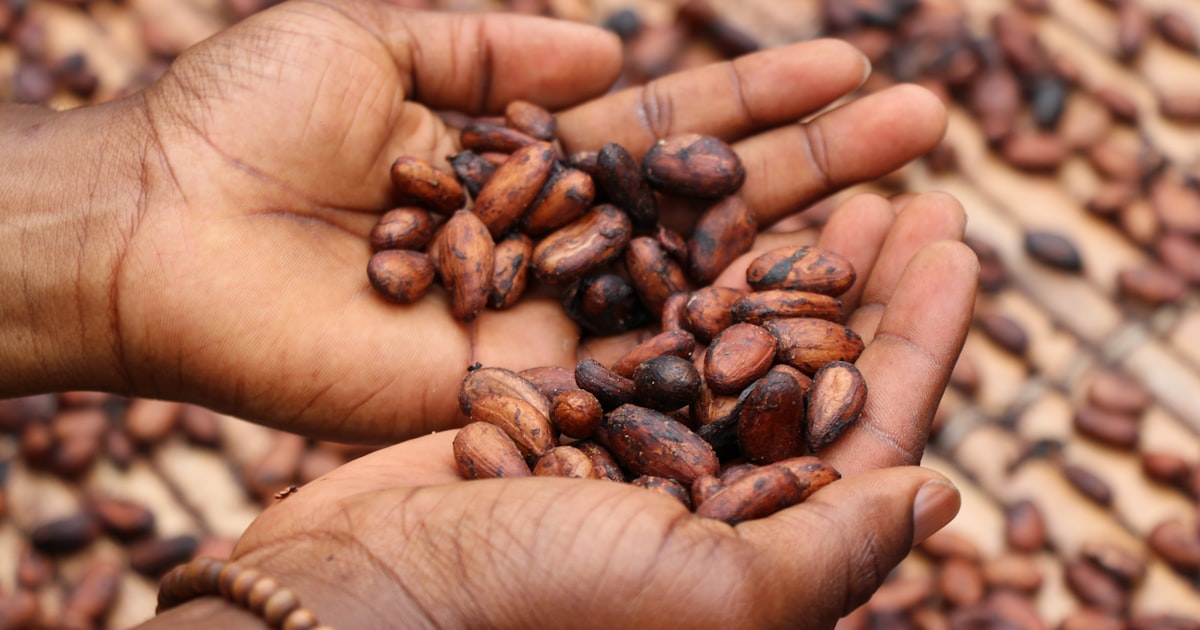
There is something quietly powerful about saving seeds from your own garden. It connects you to a practice that humans have been doing for thousands of years. It saves money. It builds self sufficiency. And over time, your saved seeds actually adapt to your specific growing conditions, producing plants that are better suited to your garden than anything you could buy in a packet.
If you have never saved seeds before, this guide will get you started. It is simpler than you might think.
Open-Pollinated vs Hybrid: The Most Important Distinction
Before you start collecting seeds from everything in your garden, you need to understand one critical difference.
Open-pollinated (OP) varieties produce seeds that grow “true to type.” This means the plant that grows from your saved seed will be essentially the same as the parent plant. These are the ones you want for seed saving.
Hybrid (F1) varieties are a cross between two different parent plants. They are bred for specific traits like disease resistance or high yield. But their seeds will not produce a reliable copy of the parent. You might get something interesting, but you might also get something disappointing. These are not ideal for seed saving.
How to tell the difference: Check the seed packet or plant label. If it says “F1” or “hybrid,” it is a cross. If it says “heirloom,” “heritage,” or “open-pollinated,” you are good to save seeds from it.
The Easiest Seeds to Save
Some crops make seed saving incredibly simple. Start with these:
Beans and Peas
These are the absolute best place to begin. Let the pods dry on the plant until they are brown and rattly. Pick them, shell out the seeds, and store them. That is it. Because beans and peas are self-pollinating, you do not need to worry about cross-pollination either.
Tomatoes
Let a tomato get fully ripe (even overripe). Scoop out the seeds and the gel surrounding them. Put this in a small jar with a splash of water and leave it for 2 to 3 days. A layer of mould will form on top. This fermentation process removes the germination-inhibiting gel. Rinse the seeds, spread them on a plate, let them dry completely, and store.
Lettuce
Let a few lettuce plants bolt (go to flower). After the flowers fade, fluffy seed heads form, similar to a dandelion. Harvest these and shake the seeds out. Easy.
Coriander
This one practically saves itself. Let coriander go to seed (which it desperately wants to do anyway). The seeds are coriander seed, the spice. Let them dry on the plant, then collect. You can use them in cooking or plant them next season. Two for one.
Pumpkin and Squash
Scoop seeds from a fully ripe pumpkin, rinse off the flesh, and dry them on a plate. The catch here is cross-pollination; different squash varieties can cross, so if you are growing multiple types, your saved seeds might produce unexpected results.
How to Save Seeds: Step by Step
-
Choose your best plants. Save seeds from the healthiest, most productive plants. This is basic selection and it works. Over time, your saved seeds will produce better adapted plants.
-
Let the fruit or seed pod fully mature. This is often past the point of eating. Beans should be dry and rattly. Tomatoes should be very ripe. Lettuce should have fully flowered and set seed.
-
Harvest the seeds. Depending on the crop, this might mean shelling pods, scooping from fruit, or shaking seed heads.
-
Clean the seeds. Remove any flesh, chaff, or debris. For wet seeds (tomatoes, pumpkin), rinse in water and dry thoroughly.
-
Dry completely. This is crucial. Seeds must be bone dry before storage, otherwise they will go mouldy. Spread on a plate or paper towel in a warm, dry spot for at least a week. When seeds snap rather than bend, they are ready.
-
Store properly. Place seeds in paper envelopes (not plastic, as trapped moisture causes mould). Label with the variety name and the date. Store in a cool, dark, dry place.
TRACK YOUR GARDEN JOURNEY
Know which plants to save seeds from
VeggieCrush helps you track your best-performing plants so you know exactly which ones are worth saving seeds from.
Download the free appLabelling and Organisation
Do not skip this step. You will think you will remember what is in that unmarked envelope. You will not. Trust us.
Every seed envelope should note:
- Plant variety (be specific, not just “tomato” but “Grosse Lisse tomato”)
- Date collected
- Any notes (e.g., “from the plant in the back corner that produced huge fruit”)
A simple shoebox makes a perfectly good seed library. Organise alphabetically or by season, whatever makes sense to you.
How Long Do Saved Seeds Last?
Seed viability varies by species. Here is a rough guide:
| Seed Type | Viability |
|---|---|
| Onion, parsnip, chives | 1 to 2 years |
| Corn, beans, peas | 2 to 3 years |
| Lettuce, carrot, capsicum | 3 to 4 years |
| Tomato, brassicas, beetroot | 4 to 5 years |
| Cucumber, pumpkin, melon | 5+ years |
Cross-Pollination: What You Need to Know
Some plants cross-pollinate easily, which means nearby varieties can mix and your saved seeds might produce something unexpected.
Self-pollinating crops (low risk of crossing):
- Tomatoes, beans, peas, lettuce
Insect-pollinated crops (higher risk of crossing):
- Pumpkin, squash, cucumber, capsicum, brassicas
If you are growing multiple varieties of a cross-pollinating crop and want to save pure seed, you need to either isolate them by distance (which is tricky in a home garden) or only grow one variety. For beginners, stick with the self-pollinating crops first.
Seed Swaps and Community
One of the best parts of seed saving is sharing. Seed swaps are popular across Australia, with community gardens, gardening clubs, and libraries hosting events where you can trade your saved seeds with other local gardeners.
This is a brilliant way to:
- Access varieties you cannot buy in shops
- Find locally adapted seeds from your area
- Meet other gardeners and swap knowledge along with seeds
- Preserve rare or heritage varieties
Check your local community garden or gardening group for swap events. Many happen in autumn and winter, perfectly timed for planning the next growing season.
BUILD YOUR SEED LIBRARY
Start your self sufficient gardening journey
VeggieCrush tracks what you grow season after season, making it easy to plan which seeds to save and when to plant them.
Download the free appBuilding Your Collection Over Time
Seed saving is not something you master in one season. It is a gradual process of learning, experimenting, and building.
Year one: Save seeds from beans, peas, and tomatoes. These are your easy wins.
Year two: Add lettuce, coriander, and any herbs that go to seed. Start noting which plants perform best and save from those.
Year three and beyond: Expand into more challenging crops. Start swapping with other gardeners. You will notice your saved seeds performing better in your specific conditions.
Over several years, you build a personal seed collection that is genuinely adapted to your soil, your climate, and your gardening style. That is something no seed company can offer you.
The Bigger Reward
Beyond the practical benefits, seed saving changes your relationship with your garden. You start seeing plants not just as food producers but as part of a longer story. The tomato you eat this summer connects to the plant you will grow next year and the year after that.
It is a small act of independence, a quiet connection to tradition, and a genuinely satisfying skill. Give it a go this season. Start simple, save a handful of beans, and see where it takes you.
Get the VeggieCrush App
Join thousands of Aussie gardeners growing better with personalised planting reminders, pest alerts, and expert advice.


Free to download on iOS and Android. No credit card required