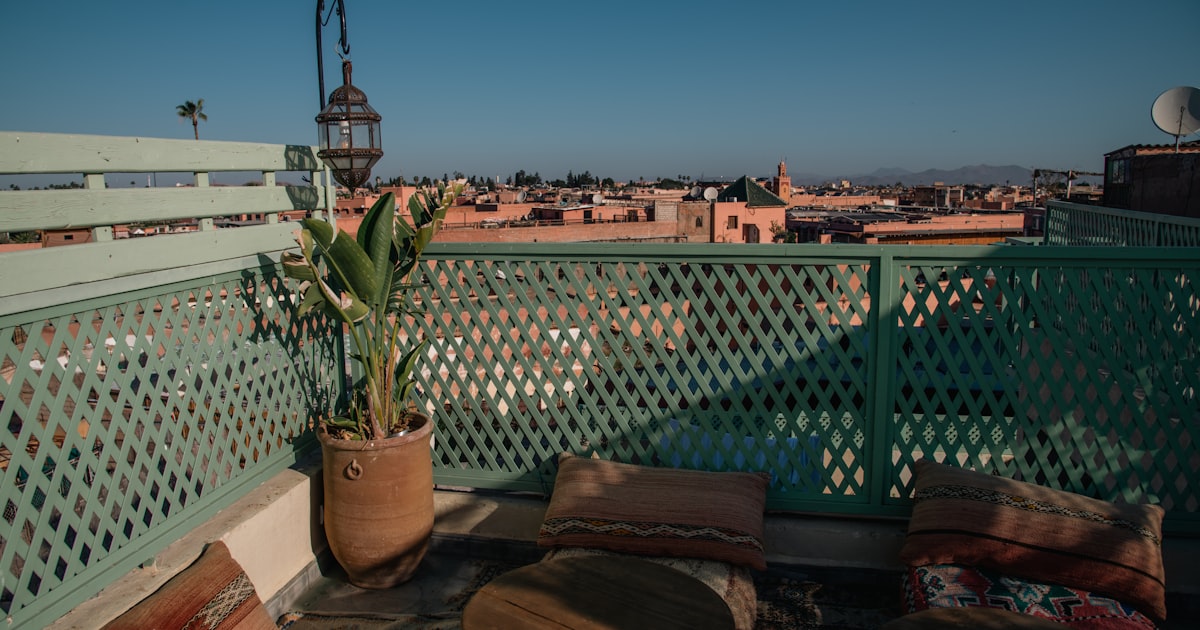
Living in an apartment does not mean you have to give up on growing your own food. A balcony, even a small one, can produce a surprisingly generous amount of herbs, salad greens, and vegetables. You just need to be smart about what you grow, how you use your space, and how you manage a few practical considerations like weight and water.
Let us turn that empty balcony into a productive little food garden.
Before You Plant: The Practical Stuff
Weight Limits
This is the most important consideration and the one most people skip. Pots full of wet soil are heavy. A large pot of tomatoes can weigh 30 kilograms or more. Multiply that by several pots and you are adding significant weight to your balcony.
Most apartment balconies are designed to handle at least 200 kilograms per square metre, but older buildings may have lower tolerances. If you are unsure, check with your body corporate or building manager. As a general rule, distribute weight evenly across the balcony rather than clustering everything in one corner, and keep the heaviest pots closest to the building wall where the structure is strongest.
Strata Rules
Many apartment buildings have strata bylaws about balcony use. Some restrict what you can attach to railings, others have rules about water drainage. A quick check with your strata manager can save you headaches down the track. Most buildings are fine with potted plants, but it is worth confirming before you invest.
Sun Assessment
This is the factor that will determine what you can grow. Spend a day observing your balcony:
- North-facing balconies get the most sun in Australia and can grow almost anything, including tomatoes, chillies, and capsicum.
- East-facing balconies get morning sun, which is great for herbs, salad greens, and leafy vegetables.
- West-facing balconies get hot afternoon sun, which can be intense in summer. Heat-loving crops like chillies do well, but lettuce will bolt quickly.
- South-facing balconies get the least sun. You can still grow shade-tolerant herbs (parsley, mint, chives) and leafy greens (lettuce, rocket, Asian greens).
Wind Protection
High-rise balconies can be windy, and wind is tough on plants. It dries out soil quickly, damages foliage, and can topple tall plants.
If wind is an issue, consider:
- Placing a wind-break screen along the railing (check strata rules first).
- Grouping pots together so they shelter each other.
- Growing lower, compact plants rather than tall, leggy ones.
- Using heavy, stable pots that will not blow over.
- Avoiding lightweight plastic pots on exposed balconies.
Choosing Containers
The right containers make a huge difference on a balcony.
Lightweight options: Fabric grow bags, fibreglass pots, and resin planters are much lighter than terracotta or concrete. This matters when you are managing weight limits.
Self-watering pots: These are absolute lifesavers for balcony gardening. They have a water reservoir at the bottom that wicks moisture up to the roots, which means less frequent watering and healthier plants. Brands like Lechuza and Mr Stacky are popular in Australia.
Size matters: Bigger pots retain moisture longer and give roots more room to grow. Aim for at least 25 centimetres in diameter for herbs and 40 centimetres or larger for tomatoes, capsicum, and other bigger plants.
Drainage: Every pot needs drainage holes. If water cannot drain out, roots will rot. Place saucers under pots to catch runoff, but empty them after watering so pots are not sitting in water.
SMALL SPACE, BIG HARVEST
Plan the perfect balcony garden for your space
VeggieCrush helps apartment gardeners choose the right plants for their light conditions and sends watering reminders so nothing dries out.
Download the free appGoing Vertical
When floor space is limited, think up. Vertical growing is the secret weapon of balcony gardeners.
Railing planters: Hook-over planters that sit on your balcony railing are perfect for herbs and trailing plants like strawberries. Just make sure they are securely fastened (a falling planter is a safety hazard and a strata nightmare).
Wall-mounted pockets: Fabric wall planters or mounted pot systems let you grow herbs and small vegetables on any vertical surface.
Stackable planters: Products like Mr Stacky or GreenStalk allow you to grow multiple plants in a vertical column, using minimal floor space.
Trellises and climbing frames: A small trellis against a wall can support climbing beans, peas, or even a compact cucumber variety.
The Best Crops for Balconies
Not everything is suited to balcony growing. Here are the crops that perform best in containers on a balcony.
Herbs (Full Sun to Partial Shade)
Herbs are the obvious starting point, and they are the most rewarding crops for a balcony. A few pots of herbs will save you money, taste infinitely better than supermarket bunches, and look gorgeous.
- Basil: Loves heat and sun. Perfect for north and west-facing balconies.
- Chives: Compact, productive, and handles partial shade.
- Parsley: Flat-leaf or curly, both grow happily in pots. Tolerates partial shade.
- Mint: Grow it in its own pot (it will take over shared containers). Handles shade well.
- Coriander: Prefers cooler weather and partial shade. Grows fast, so succession sow every few weeks.
- Rosemary: Needs a larger pot and full sun. Very drought tolerant.
Salad Greens (Partial Shade OK)
- Lettuce: Brilliant in containers. Grows fast, harvests over weeks if you pick outer leaves. Prefers some shade in summer.
- Rocket: Spicy, fast-growing, and handles cooler spots. Bolts quickly in heat.
- Asian greens: Pak choi, tatsoi, and mizuna are compact, fast, and shade tolerant.
- Spring onions: Grow in any container, even a recycled tin can. Pull as needed.
Fruiting Vegetables (Full Sun Required)
- Cherry tomatoes: The balcony superstar. Choose compact varieties like ‘Tiny Tim’ or ‘Tumbling Tom’ for smaller spaces. Need a large pot (at least 40 cm) and full sun.
- Chillies: Compact, productive, and love heat. One plant in a 25 cm pot can produce dozens of chillies.
- Capsicum: Needs a decent-sized pot and plenty of sun. Slower than chillies but very rewarding.
- Strawberries: Perfect for hanging baskets and railing planters. They look beautiful and taste incredible.
Watering Systems for Balconies
Watering is the biggest ongoing challenge for balcony gardeners. Pots dry out much faster than garden beds, especially in wind and heat. In summer, you may need to water daily.
Manual watering: A watering can with a long spout is the simplest approach. Water in the morning and check again in the afternoon on hot days.
Self-watering pots: As mentioned above, these are brilliant. They reduce watering frequency to every few days.
Drip irrigation kits: Small drip irrigation systems designed for balconies are available from Bunnings and online. Connect them to an outdoor tap (if you have one) with a timer for fully automated watering.
Water crystals: Mixing water-retaining crystals into your potting mix helps it hold moisture for longer between waterings.
APARTMENT GARDENER? WE HAVE GOT YOU
Growing food in small spaces has never been easier
VeggieCrush is designed for gardeners of all sizes, from sprawling backyards to tiny balconies. Get personalised growing guides for your exact conditions.
Download the free appDrainage Solutions
Water dripping from your balcony onto the neighbour below is a fast way to make enemies. Here is how to manage it:
- Use saucers under every pot to catch runoff.
- Water slowly and thoroughly rather than flooding the pots.
- Self-watering pots eliminate runoff entirely.
- Place a shallow tray or boot tray under grouped pots to catch any overflow.
Realistic Expectations
Let us be honest about what a balcony garden can and cannot do. You probably will not grow enough food to replace your weekly grocery shop. But you can absolutely:
- Have fresh herbs on hand every single day.
- Grow enough salad greens for regular side salads.
- Produce a steady supply of cherry tomatoes, chillies, and spring onions through summer.
- Enjoy strawberries straight from the plant.
- Experience the genuine satisfaction of eating something you grew yourself, even if it is just a handful of cherry tomatoes.
A productive balcony garden is not about self-sufficiency. It is about freshness, flavour, connection to your food, and the simple joy of watching things grow. And that is absolutely worth it.
Getting Started: Your First Season Checklist
- Assess your sun exposure over a full day.
- Check strata rules and weight limits.
- Buy two to three good quality pots with drainage holes and saucers.
- Choose a premium potting mix (do not use garden soil in pots).
- Start with herbs and one or two easy vegetables.
- Set up a watering routine and stick to it.
- Enjoy the process. Your balcony is about to become your favourite room.
Get the VeggieCrush App
Join thousands of Aussie gardeners growing better with personalised planting reminders, pest alerts, and expert advice.


Free to download on iOS and Android. No credit card required