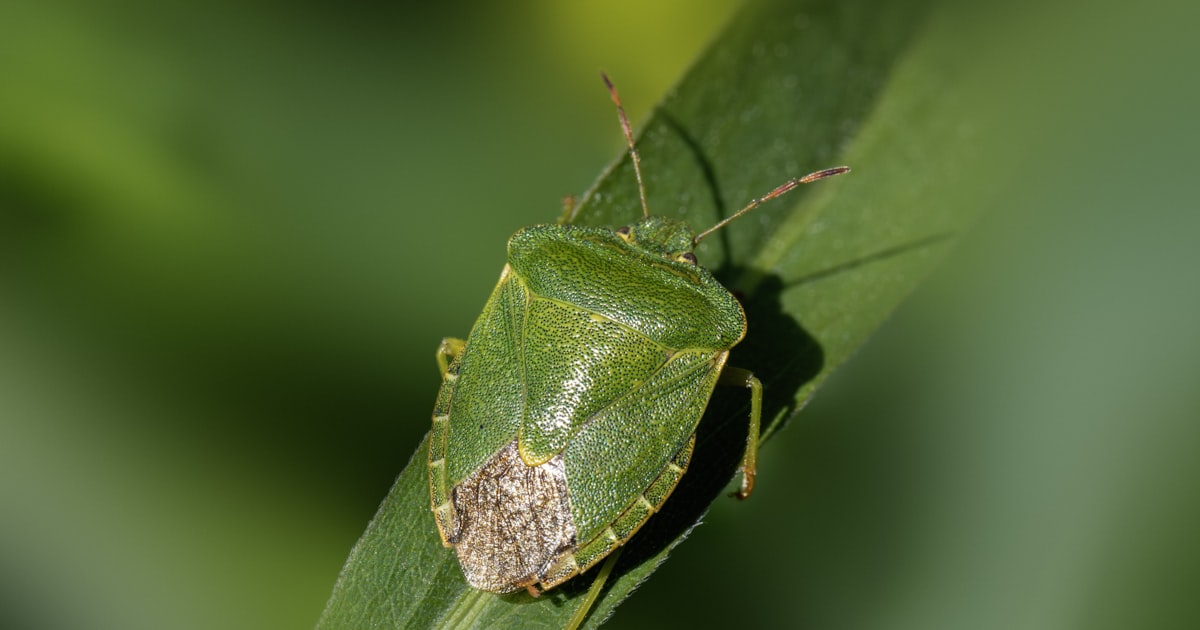
Let’s be honest: pests are part of gardening. No matter how carefully you tend your veggie patch, something will eventually start munching on your hard work. But reaching for the chemical spray bottle doesn’t have to be your first move. Organic pest control is effective, safer for you and the environment, and often more satisfying (there’s a certain joy in outsmarting a caterpillar).
Here’s your practical toolkit for keeping pests in check, the organic way.
The Mindset Shift: Control, Not Elimination
Before we dive into methods, let’s get one thing straight. Organic pest control isn’t about having a perfect, pest-free garden. That’s not realistic, and honestly, it’s not even desirable. A healthy garden has insects. Lots of them. The goal is to keep pest populations at manageable levels so your plants can still thrive and produce food.
A few holes in your kale leaves? That’s fine. An entire row of seedlings demolished overnight? That needs attention.
This approach has a name: Integrated Pest Management (IPM). It means using a combination of strategies, starting with the least intervention and escalating only if needed.
Step 1: Prevention First
The best pest control happens before pests even arrive.
- Healthy soil grows healthy plants. Well-fed, well-watered plants are naturally more resistant to pest damage
- Choose resistant varieties when available
- Rotate your crops each season to break pest cycles
- Clean up plant debris that can harbour pests and diseases
- Encourage biodiversity. A diverse garden with flowers, herbs, and different veggies attracts a wider range of beneficial insects
Step 2: Physical Barriers
Sometimes the simplest solutions are the most effective.
Exclusion Netting
Fine mesh netting draped over hoops is the single best defence against cabbage white butterflies, fruit flies, and birds. Use netting with a mesh size appropriate for your target pest (2mm or less for most insects).
Copper Tape
Wrap copper tape around the rims of raised beds or pots. Slugs and snails get a mild electric-like reaction when they touch copper, which deters them from crossing. It’s not 100% effective, but it helps.
Cardboard Collars
Cut toilet roll tubes or cardboard into short collars and place them around the base of seedlings. This protects against cutworm, which chews through stems at ground level during the night.
Row Covers
Lightweight horticultural fleece lets light and water through but keeps insects out. Great for protecting seedlings during their most vulnerable stage.
PEST IDENTIFICATION
Not sure what's eating your plants?
VeggieCrush helps you identify common garden pests and gives you targeted organic treatment advice for each one.
Download the free appStep 3: Homemade Organic Sprays
These are easy to make at home and effective for many common pests. Always test any spray on a small area first and apply in the early morning or late afternoon to avoid burning leaves.
White Oil (for Scale, Aphids, Mealybug)
Mix 2 cups of vegetable oil with half a cup of dishwashing liquid. Shake well. To use, dilute 1 tablespoon of the concentrate in 1 litre of water and spray affected areas. The oil suffocates soft-bodied insects by blocking their breathing pores.
Garlic Spray (General Insect Deterrent)
Blend 2 whole garlic bulbs with a small amount of water. Let it steep overnight. Strain, add a teaspoon of liquid soap, and dilute to 1 litre. Spray on plants. The strong smell repels many insects, and it also has mild antifungal properties.
Chilli Spray (for Aphids, Caterpillars, Ants)
Blend a handful of hot chillies with water. Strain through a cloth (wear gloves!). Dilute to 1 litre and add a few drops of liquid soap. Spray on affected plants. Reapply after rain.
Milk Spray (for Powdery Mildew)
Mix 1 part full-cream milk with 9 parts water and spray on leaves. The proteins in milk have been shown to be surprisingly effective against powdery mildew. Apply weekly as a preventative or at the first sign of infection.
Step 4: Commercial Organic Options
When homemade sprays aren’t cutting it, there are some excellent certified organic products available in Australia.
| Product | What It Targets | How It Works |
|---|---|---|
| Dipel (Bt) | Caterpillars (cabbage moth, budworm) | Bacteria that specifically targets caterpillars. Safe for bees and beneficial insects |
| Pyrethrum | Broad spectrum (aphids, thrips, whitefly) | Derived from chrysanthemum flowers. Breaks down quickly in sunlight |
| Neem Oil | Aphids, scale, mites, whitefly | Disrupts insect feeding and reproduction. Apply in the evening |
| Eco-Oil | Aphids, scale, mites, whitefly | Refined botanical oil. Suffocates soft-bodied insects |
| Iron-based snail pellets | Slugs and snails | Safe around pets and wildlife, unlike metaldehyde pellets |
Step 5: Companion Planting as Pest Control
Certain plants naturally repel pests or attract beneficial insects that eat pests. Weaving these throughout your veggie patch creates a more resilient garden ecosystem.
Pest-repelling plants:
- Marigolds: Repel whitefly and nematodes
- Basil: Deters aphids and mosquitoes
- Garlic and chives: Confuse and repel many pests with their strong scent
- Lavender: Repels moths and fleas
Beneficial insect attractors:
- Dill and fennel: Attract hoverflies and lacewings (both eat aphids)
- Alyssum: Attracts hoverflies and provides ground cover
- Borage: Beloved by bees and predatory insects
Step 6: Trap Cropping
This is a clever strategy: grow a plant that pests prefer more than your veggies, and let the pests congregate there instead.
- Nasturtiums are famous for attracting aphids away from other plants. Plant them nearby and let them take the hit.
- Mustard greens can lure cabbage white butterflies away from your prized broccoli.
- Sunflowers attract aphids that in turn attract ladybirds and other predators.
Once the trap crop is heavily infested, you can remove and dispose of it (or just leave it as a beneficial insect buffet).
COMPANION PLANTING GUIDES
Know what to plant next to what
VeggieCrush shows you the best companion planting combinations to naturally reduce pests and boost your harvest.
Download the free appStep 7: Traps
Beer Traps for Slugs and Snails
Bury a small container (like a yoghurt tub) in the soil so the rim is level with the surface. Fill it with cheap beer. Slugs and snails are attracted to the yeast, fall in, and can’t get out. Empty and refill every few days.
Yellow Sticky Traps
Hang yellow sticky cards near affected plants to catch whitefly, fungus gnats, and aphids. These work best in enclosed spaces like greenhouses but can help in sheltered garden spots too.
The Quick Reference Table
| Pest | Signs | Best Organic Solution |
|---|---|---|
| Aphids | Clusters on new growth, sticky residue | Garlic spray, ladybirds, strong water jet |
| Cabbage white caterpillars | Holes in brassica leaves, green frass | Exclusion netting, Dipel (Bt) |
| Slugs and snails | Irregular holes, slime trails | Beer traps, iron pellets, copper tape |
| Whitefly | Tiny white flies on leaf undersides | Yellow sticky traps, white oil, neem |
| Scale | Brown bumps on stems, sticky residue | White oil, eco-oil |
| Fruit fly | Stung fruit, maggots inside | Exclusion netting, traps, early harvest |
| Cutworm | Seedlings cut at base overnight | Cardboard collars, evening torchlight hunts |
| Powdery mildew | White dusty coating on leaves | Milk spray, improve airflow |
When to Accept the Damage
Not every nibbled leaf needs a response. A healthy, well-established plant can handle some pest damage without any impact on your harvest. If the damage is cosmetic and the plant is still growing strongly, sometimes the best action is no action at all.
Nature has its own pest control system. Ladybirds eat aphids, parasitic wasps target caterpillars, and birds eat all sorts of garden bugs. Give these natural allies time to find the pests, and often the problem resolves itself.
The Bottom Line
Organic pest control is about building a resilient garden ecosystem, not waging war on every insect. Start with prevention, use physical barriers where you can, and only reach for sprays when the damage warrants it. Over time, as your garden’s biodiversity increases, you’ll find pest problems become less frequent and less severe.
Your garden doesn’t need to be perfect. It just needs to be productive, healthy, and full of life.
Get the VeggieCrush App
Join thousands of Aussie gardeners growing better with personalised planting reminders, pest alerts, and expert advice.


Free to download on iOS and Android. No credit card required