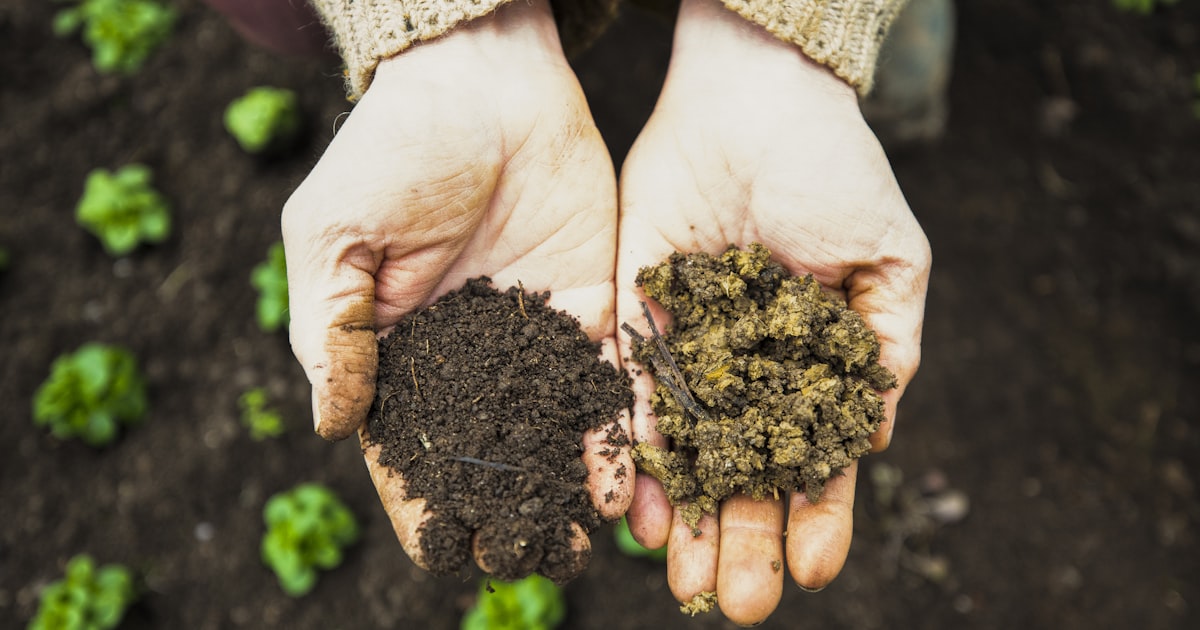
Your plants are hungry. Even if your soil looks beautiful and dark, your veggies are pulling nutrients out of it every single day. Without regular feeding, harvests get smaller, growth slows down, and plants become more vulnerable to pests and disease.
The good news? Feeding your garden organically is simple, affordable, and genuinely better for your soil in the long run. Let us break down what your plants actually need and how to give it to them.
NPK: What the Numbers Mean
Every fertiliser, organic or synthetic, is described by three numbers: N-P-K. You will see them on every packet and bottle. Here is what they mean in plain language.
N = Nitrogen (Leaves)
Nitrogen is the nutrient that drives leafy green growth. If your plants look pale and yellowy, or growth has stalled, nitrogen is usually the missing piece. Leafy crops like lettuce, spinach, and kale are especially hungry for nitrogen.
P = Phosphorus (Roots and Fruit)
Phosphorus promotes strong root development and flower and fruit production. It is critical for fruiting crops like tomatoes, capsicums, and cucumbers. If your plant is flowering but not setting fruit, a phosphorus boost can help.
K = Potassium (Overall Health)
Potassium (sometimes called potash) supports overall plant vigour, disease resistance, and the quality of fruit and flowers. Think of it as the general wellness nutrient. Strong potassium levels help plants cope with heat, cold, and drought stress.
Organic Fertiliser Options
Seaweed Solution
Seaweed extract is not a heavy fertiliser in terms of NPK, but it is an outstanding plant tonic. It is packed with trace minerals, growth hormones, and compounds that improve root development and stress tolerance. Use it as a regular tonic (every 2 weeks) to keep plants healthy and resilient.
Best Australian product: Seasol. It has been an Aussie garden staple for decades. Apply as a foliar spray or soil drench. It will not burn plants and you can use it year-round.
Worm Castings and Worm Juice
If you have a worm farm, you are sitting on liquid gold. Worm castings (the solid material) are a gentle, balanced fertiliser that you can dig into soil or use as a top dressing. Worm juice (the liquid that drains from the farm) makes an excellent diluted liquid feed.
Worm castings improve soil structure, add beneficial microbes, and release nutrients slowly. They are hard to overuse and safe for all plants.
Compost
Good quality compost is the foundation of a healthy garden. It adds organic matter, improves soil structure, feeds soil microbes, and provides a slow release of nutrients. Think of compost as the base layer that everything else builds on.
Make your own from kitchen scraps, garden waste, and shredded cardboard, or buy it by the bag or cubic metre from landscape suppliers.
FEEDING SCHEDULE
Know exactly when to feed your plants
VeggieCrush creates a personalised feeding schedule for every plant in your garden. No more forgetting or overdoing it.
Download the free appAged Manure
Animal manure is one of the oldest fertilisers around, and it is still one of the best. The key word here is aged. Fresh manure is too strong (it can burn plants) and may contain pathogens. Let it sit for at least 3 to 6 months before using it, or buy bagged aged manure.
Sheep manure: Mild and balanced. Great all-purpose fertiliser and soil conditioner. Widely available in bags at hardware stores and garden centres.
Cow manure: Similar to sheep manure but slightly higher in nitrogen. Good for leafy crops and general soil improvement.
Chicken manure: Much stronger than sheep or cow manure. High in nitrogen and phosphorus. Use sparingly and always aged. Excellent for heavy feeders like corn, brassicas, and fruiting crops. Dynamic Lifter is the well-known Australian pelleted chicken manure product.
Blood and Bone
A classic Australian garden fertiliser made from, well, blood and bone from abattoirs. It is high in nitrogen and phosphorus, making it excellent for promoting growth and root development. Mix it into soil at planting time or use it as a side dressing around established plants.
It breaks down slowly, providing nutrients over several weeks. One application at planting is often enough for the first month or so.
Fish Emulsion
Liquid fish fertiliser is high in nitrogen with some phosphorus and trace minerals. It promotes fast, lush growth and is great for leafy greens and seedlings. The downside? It smells terrible. Apply it in the morning so it has time to soak in and the smell dissipates before you want to enjoy your garden.
Best Australian product: Charlie Carp is made from invasive European carp removed from Australian waterways. Using it literally helps the environment. It is a good all-round liquid feed.
Seaweed and Fish Combos
Many Australian products combine seaweed extract with fish emulsion for a more complete liquid feed. Seasol PowerFeed is the most popular example. It gives you the tonic benefits of seaweed plus the nutrient boost of fish. Brilliant for regular liquid feeding throughout the growing season.
Epsom Salts (Magnesium Sulphate)
Not technically a fertiliser, but a useful supplement. Magnesium is essential for photosynthesis and is often deficient in Australian soils. Dissolve 1 tablespoon per litre of water and apply monthly during the growing season. Especially beneficial for tomatoes, capsicums, and roses.
When and How to Feed
At Planting Time
Mix compost, aged manure, and a handful of blood and bone into the soil before planting. This gives your plants a solid nutrient base to start with.
During the Growing Season
Apply liquid fertiliser (seaweed, fish emulsion, or a combo product) every 2 weeks during active growth. Dilute according to the label instructions. More is not better with fertiliser.
Seasonal Adjustments
- Spring: Start feeding as plants begin active growth. Nitrogen-rich feeds encourage leafy development.
- Summer: Switch to potassium-rich feeds for fruiting crops. Continue regular liquid feeding.
- Autumn: Reduce feeding as growth slows. A final application of compost prepares beds for winter.
- Winter: Minimal feeding needed. Focus on building soil health with compost and mulch.
A Simple Seasonal Feeding Schedule
| Season | What to Apply | How Often |
|---|---|---|
| Spring | Compost + blood and bone at planting. Liquid seaweed every 2 weeks. | Fortnightly |
| Summer | Liquid seaweed/fish combo. Potassium-rich feed for fruiting crops. | Fortnightly |
| Autumn | Compost top-up. Aged manure. Reduce liquid feeds. | Monthly |
| Winter | Compost and mulch. Worm castings if available. | As needed |
NEVER FORGET TO FEED
Get timely feeding reminders in the app
VeggieCrush reminds you when each plant needs feeding, with product suggestions based on the growth stage. Your plants will thank you.
Download the free appThe Danger of Over-feeding
More fertiliser does not mean more growth. Over-feeding is a real problem, and organic gardeners are not immune to it.
Signs of over-feeding:
- Lush, dark green foliage with few flowers or fruit (too much nitrogen).
- White crusty deposits on the soil surface (salt buildup).
- Leaf tip burn (brown, crispy edges).
- Sudden plant wilting despite adequate water.
If you think you have over-fed, flush the soil with plenty of water to dilute excess nutrients, and hold off on feeding for a few weeks. With organic fertilisers, over-feeding is less likely than with synthetics because nutrients release more slowly, but it can still happen, especially with strong products like chicken manure.
Building Long-term Soil Health
Organic fertilisers do more than just feed your plants. They feed the soil. Every time you add compost, manure, worm castings, or seaweed, you are building up organic matter and supporting the billions of microorganisms that make healthy soil work.
Synthetic fertilisers feed the plant directly but do nothing for the soil. Over time, soil that is only fed synthetics loses its structure, microbial life, and ability to hold water and nutrients.
Organic gardening is an investment. The soil gets better every year. Your plants get healthier every season. It is a virtuous cycle that rewards patience and consistency.
The Bottom Line
Feeding your garden does not need to be complicated or expensive. A bag of blood and bone, a bottle of Seasol, some compost, and access to aged manure will cover most of your needs. Add in worm castings or fish emulsion if you want to step it up.
Feed regularly, match the fertiliser to the plant’s growth stage, and always remember that healthy soil is the real goal. Get the soil right, and everything growing in it will thrive.
Get the VeggieCrush App
Join thousands of Aussie gardeners growing better with personalised planting reminders, pest alerts, and expert advice.


Free to download on iOS and Android. No credit card required