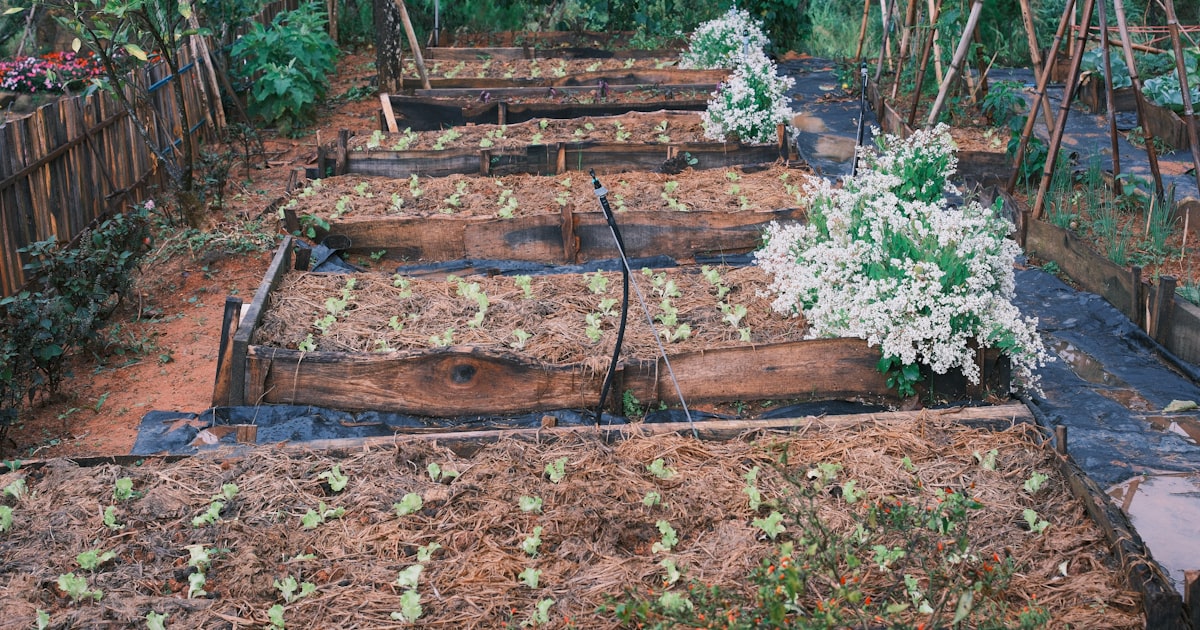
What if we told you that the best thing you could do for your garden is to stop digging it? Sounds too good to be true, right? But the no dig method is a genuine, science-backed approach to gardening that produces incredible results with less effort. And honestly, once you try it, you will wonder why anyone ever bothered with a spade.
What Is No Dig Gardening?
The no dig method is exactly what it sounds like. Instead of turning, tilling, and digging your soil every season, you simply layer organic matter (mostly compost) on top and let nature do the heavy lifting. Worms, fungi, bacteria, and other soil organisms break everything down and incorporate it into the soil for you.
The approach has been popularised by British market gardener Charles Dowding, who has practised no dig gardening for over 40 years and has been running documented side-by-side dig vs no dig trials since 2007. His results consistently show that no dig beds produce equal or better harvests with a fraction of the weeding.
Why Does It Work?
When you dig soil, you disturb the intricate network of fungal threads, worm tunnels, and microbial communities that make soil healthy and fertile. You also bring buried weed seeds to the surface, where they happily germinate. Every time you turn the soil, you are essentially planting a fresh crop of weeds.
No dig gardening preserves the soil structure. The natural layers stay intact. Worm tunnels create drainage and aeration. Fungal networks (mycorrhizae) help your plants access nutrients. And those weed seeds? They stay buried where they belong.
The result is soil that is alive, well-structured, and remarkably fertile. Plants growing in no dig beds tend to have healthier root systems and better access to water and nutrients.
How to Start a No Dig Bed
Starting a no dig garden is simple. You can create one almost anywhere, even over an existing lawn or weedy patch.
Step 1: Choose Your Spot
Pick a sunny location for your veggie garden. Flat ground is ideal, but a gentle slope works too.
Step 2: Lay Down Cardboard
Cover the entire area with overlapping sheets of plain cardboard. Remove any tape or staples first. This layer smothers existing grass and weeds. It will break down over a few months, and the worms will absolutely love it.
Step 3: Add Compost
Pile on a thick layer of good quality compost, about 15 to 20 centimetres deep. This is your growing medium. You can use homemade compost, bought compost, or a mix of both. Aged cow manure, mushroom compost, or well-rotted garden compost all work brilliantly.
Step 4: Mulch on Top
Add a layer of mulch (straw, sugar cane mulch, or lucerne) about 5 to 10 centimetres thick. This keeps moisture in, suppresses any weeds that try their luck, and feeds the soil as it breaks down.
Step 5: Plant
You can plant directly into your no dig bed straight away. For seedlings, just push the mulch aside, make a small hole in the compost, pop in your plant, and water it in. For seeds, create a small furrow in the compost, sow your seeds, and cover lightly.
PLAN YOUR NO DIG GARDEN
Know exactly what to plant and when
VeggieCrush gives you personalised planting schedules based on your climate zone, so your no dig beds are always productive.
Download the free appOngoing Maintenance
This is the beautiful part. Maintaining a no dig garden is almost comically easy compared to traditional gardening.
Between seasons: After you finish harvesting a crop, pull out the old plants (or cut them off at soil level and leave the roots in the ground to decompose). Add a fresh layer of compost, about 5 centimetres, on top. That is it. No digging, no turning, no double-digging marathon.
Weeding: Because you are not bringing weed seeds to the surface, you will have dramatically fewer weeds. The ones that do pop up tend to come from seeds blown in by the wind, and they pull out easily from the soft, friable compost.
Watering: No dig beds retain moisture much better than traditional beds because the soil structure is intact and the mulch layer reduces evaporation. You will likely water less than your neighbours who dig.
The Benefits at a Glance
Here is why thousands of Australian gardeners have switched to no dig:
Less weeding. Seriously, so much less weeding. Charles Dowding’s trials show up to 80% fewer weeds in no dig beds compared to dug beds.
Better soil structure. Over time, your soil becomes soft, crumbly, and full of life. Even heavy clay soils improve dramatically under the no dig method.
Less physical effort. No more back-breaking digging sessions. If you have a bad back, dodgy knees, or simply prefer to spend your time planting rather than labouring, no dig is a game changer.
Improved water retention. Intact soil structure holds water much better. In a country where droughts are a regular occurrence, this matters.
Healthier plants. Plants in no dig beds have access to a thriving soil ecosystem that feeds and protects them. Many gardeners report fewer pest and disease problems.
Carbon sequestration. By not disturbing the soil, you are keeping carbon locked in the ground rather than releasing it into the atmosphere. It is gardening that is genuinely good for the planet.
No Dig vs Traditional Digging: A Comparison
| No Dig | Traditional Digging | |
|---|---|---|
| Setup effort | Moderate (layering) | High (digging, turning) |
| Ongoing effort | Low (top up compost) | High (dig each season) |
| Weeding | Minimal | Constant |
| Soil health | Improves over time | Can degrade over time |
| Water retention | Excellent | Variable |
| Cost | Compost costs (ongoing) | Tool wear, soil amendments |
| Physical demand | Low | High |
Why It Works Especially Well in Australia
Australian soils are often challenging. They can be sandy, clay-heavy, low in organic matter, or all three depending on where you live. The no dig method addresses these issues beautifully because you are constantly adding organic matter on top, building your soil from the surface down.
In sandy soils, the compost improves water retention. In clay soils, the organic matter breaks down and gradually improves drainage and structure. And in the many Australian soils that are low in nutrients, the steady addition of compost provides a constant, gentle feed.
TRACK YOUR SOIL HEALTH
Build better soil, season after season
VeggieCrush helps you log your garden activities and track what is working, so you can keep improving your no dig beds.
Download the free appPerfect for Limited Time and Energy
Let us be honest. Not everyone has hours to spend in the garden every weekend. Between work, family, and everything else, gardening time is precious. The no dig method respects that reality. You spend less time on maintenance and more time on the fun stuff: planting, harvesting, and eating.
It is also brilliant for renters. You can set up a no dig bed on top of a tarp or weed mat if you do not want to alter the existing ground. When you move, you can even take the compost with you.
Getting Started: Your First Season
If you are keen to give no dig a go, start small. A single bed, about 1.2 metres wide and 2 to 3 metres long, is perfect for your first attempt. Plant it with easy crops like lettuce, silverbeet, spring onions, and herbs. Watch how the soil transforms over the season, and you will be hooked.
No dig gardening is not lazy gardening at all, really. It is smart gardening. It is working with nature instead of against it. And once you experience the joy of a garden that practically looks after itself, there is no going back.
Get the VeggieCrush App
Join thousands of Aussie gardeners growing better with personalised planting reminders, pest alerts, and expert advice.


Free to download on iOS and Android. No credit card required