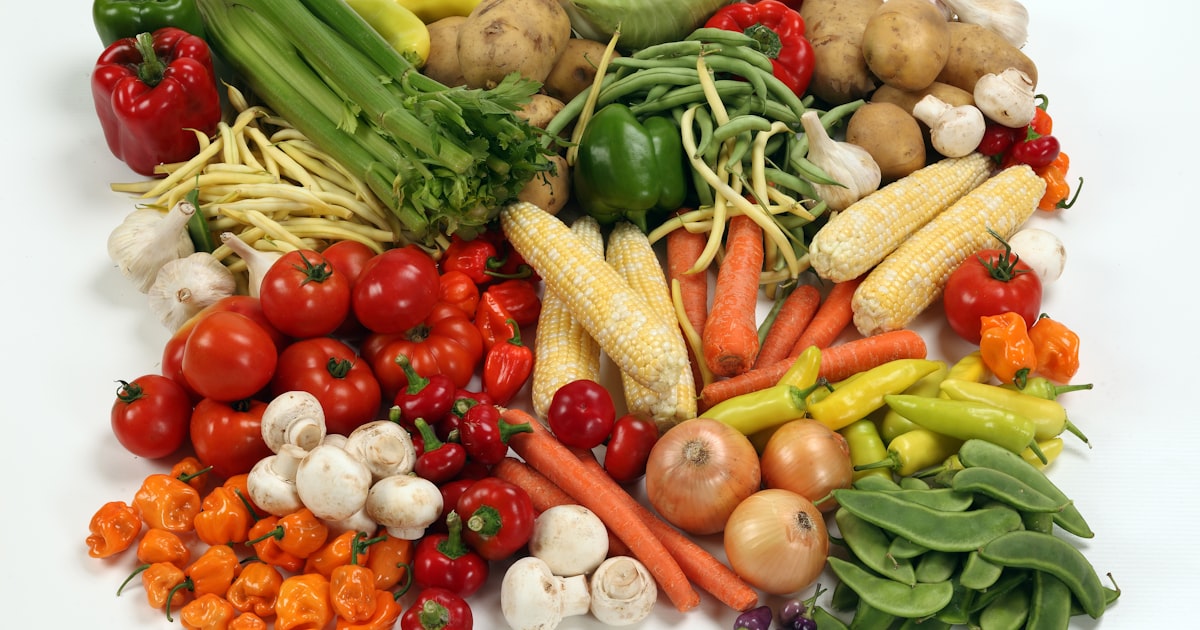
If your veggie garden has tomatoes, capsicums, chillies, or eggplant in it (and let us be honest, most do), then congratulations: you are already growing members of the nightshade family. These plants are some of the most popular, productive, and rewarding things you can grow in an Australian garden.
But did you know they are all related? And that understanding their family connection can make you a seriously better gardener?
Let us dig into the Solanaceae family and find out why these warm-season superstars share more than just good looks.
Meet the Family
The Solanaceae (pronounced sol-ah-NAY-see-ee) family, commonly known as the nightshade family, is a huge group of plants found all around the world. In the veggie garden, the main members you will encounter are:
- Tomato (bush and vining types)
- Capsicum (sweet pepper)
- Chilli (hot pepper)
- Eggplant (aubergine)
They might look quite different on the outside, but they share a surprising amount of DNA, growing habits, and care requirements.
What They Have in Common
They All Love Warmth
Every nightshade in the veggie patch is a warm-season crop. They want warm soil, warm air, and plenty of sunshine. In most of Australia, that means planting from late spring through to early autumn, depending on your zone.
None of them handle frost. Even a light frost will damage or kill these plants, so do not rush to get them in the ground too early. Wait until nighttime temperatures are consistently above 12 to 15 degrees.
Full Sun is Non-negotiable
Nightshades need at least 6 hours of direct sunlight per day, and more is better. In a shady spot, they will grow leggy, produce fewer flowers, and give you disappointing harvests. Give them the sunniest spot in your garden.
Similar Watering Needs
All nightshades prefer deep, regular watering rather than frequent shallow sprinkles. Consistent moisture is especially important when they are flowering and fruiting. Inconsistent watering leads to problems like blossom end rot in tomatoes and capsicums.
They Share Pests and Diseases
This is the big one. Because they are closely related, nightshades are vulnerable to the same pests and diseases:
- Fruit fly (especially in QLD, NSW, and WA)
- Aphids and whitefly
- Powdery mildew
- Bacterial wilt
- Root knot nematodes
This shared vulnerability is the main reason crop rotation matters so much for this family.
KNOW YOUR PLANT FAMILIES
VeggieCrush tracks plant families for you
The app labels each plant's family so you can plan crop rotation without needing a botany degree. Smart gardening, made simple.
Download the free appWhy Plant Families Matter
Crop Rotation
Crop rotation means not growing the same family of plants in the same spot year after year. If you grow tomatoes in a bed this year, do not plant capsicums, chillies, or eggplant there next year. They all share the same soil-borne diseases and pests, and planting the same family in the same spot lets those problems build up in the soil.
A simple rotation plan: divide your garden into 4 areas and rotate plant families through them each season. Nightshades in one bed, legumes in another, brassicas in the third, and root veg or leafy greens in the fourth. Move everything one bed clockwise each year.
Disease Prevention
When you know that tomatoes and eggplant are in the same family, you understand why blight that started on your tomatoes might jump to your eggplant. This knowledge helps you make smarter decisions about spacing, airflow, and hygiene in the garden.
Feeding
Nightshades are all moderate to heavy feeders that love potassium-rich fertiliser during fruiting. Knowing this means you can feed an entire bed of mixed nightshades with the same approach rather than looking up individual requirements.
A Closer Look at Each Member
Tomato (Bush and Vining)
The undisputed star of the family. Bush (determinate) types are compact and produce fruit in one big flush. Vining (indeterminate) types keep growing and fruiting until the weather turns. Both need staking, regular feeding, and consistent water.
Capsicum
The slow and steady member of the family. Capsicums take their time (12 to 16 weeks to harvest), but the reward is those gorgeous, crunchy, sweet fruits. They start green and ripen to red, yellow, or orange. They are the same fruit at different stages.
Chilli
The fiery cousin. Chillies are generally easier and more forgiving than capsicums. They produce prolifically and many varieties are quite compact, making them perfect for pots. The heat comes from capsaicin, which is concentrated in the white membranes (placental tissue). The seeds themselves contain very little capsaicin but pick up heat through contact with the pith.
Eggplant
The elegant one. Eggplants love heat even more than their relatives and are slower to get going, but they produce beautiful glossy fruit in shades of purple, white, and green. They need rich soil and consistent warmth to really perform.
Growing Tips for All Nightshades
- Start seeds indoors. Nightshades are slow to germinate and need warmth. Start them in pots 6 to 8 weeks before you plan to transplant, or buy seedlings from your local nursery.
- Harden off before planting out. Gradually expose indoor seedlings to outdoor conditions over a week before transplanting.
- Stake or cage early. Put your supports in at planting time rather than trying to wrangle a sprawling plant later.
- Mulch the base. A thick layer of sugar cane mulch or pea straw keeps roots cool, retains moisture, and prevents soil splash (which spreads disease).
- Water at the base. Avoid overhead watering. Wet foliage encourages fungal diseases.
- Feed regularly. A potassium-rich liquid fertiliser every 2 weeks during fruiting keeps these hungry plants productive.
GROW THE WHOLE FAMILY
Plan a nightshade bed with confidence
VeggieCrush helps you plan, track, and care for all your nightshade crops with personalised schedules and companion planting tips.
Download the free appFun History: The “Deadly” Tomato
Here is a fun bit of trivia for your next barbecue. When tomatoes first arrived in Europe from the Americas in the 1500s, many people were terrified of them. The plant’s resemblance to deadly nightshade (Atropa belladonna, a genuinely poisonous relative) made Europeans deeply suspicious. The French called the tomato “pomme d’amour” (love apple), the Italians called it “pomo d’oro” (golden apple), and the English mostly just avoided eating it for about 200 years.
It was not until the 1800s that tomatoes became widely accepted as food in Europe. Meanwhile, Indigenous peoples in Central and South America had been happily eating them for thousands of years. Sometimes it takes a while for the rest of the world to catch up.
Final Thoughts
Understanding that your tomatoes, capsicums, chillies, and eggplant are all part of the same family is more than just a fun fact. It is genuinely useful gardening knowledge that helps you rotate crops, prevent disease, and care for your plants more effectively.
Think of the nightshade family as the core cast of your warm-season garden. They are the main characters. Treat them well, give them sunshine and warmth, and they will reward you with some of the most flavourful harvests imaginable.
Get the VeggieCrush App
Join thousands of Aussie gardeners growing better with personalised planting reminders, pest alerts, and expert advice.


Free to download on iOS and Android. No credit card required