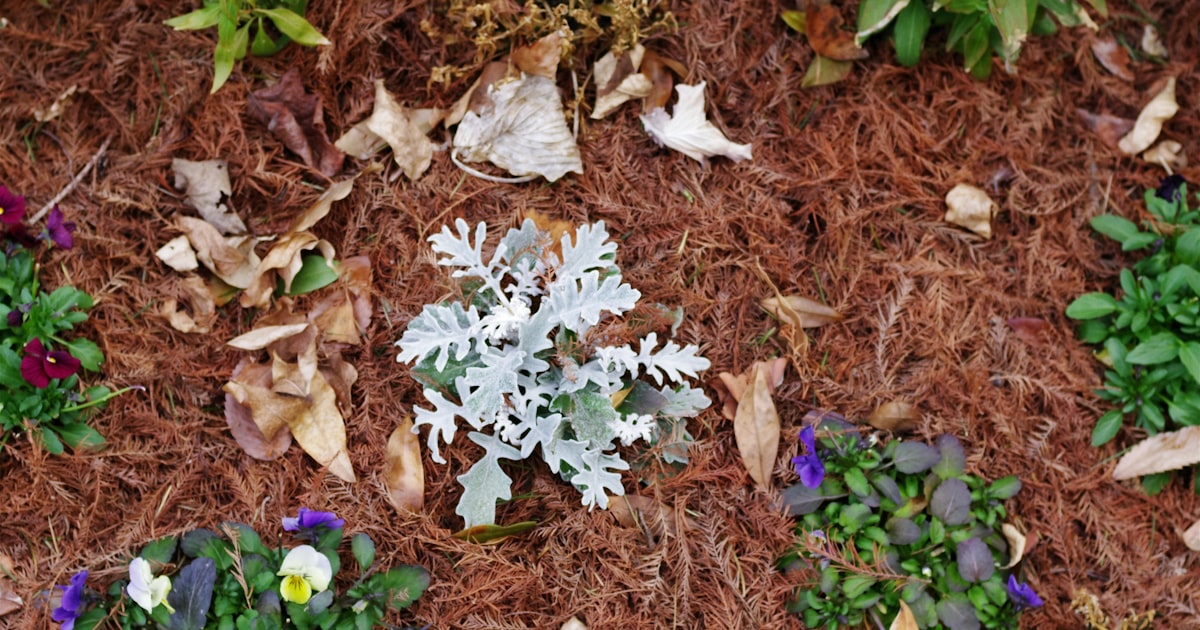
If there is one thing that separates a thriving Australian garden from a struggling one, it is mulch. Seriously. Mulch is the unsung hero of gardening in this country, and once you understand why, you will never leave bare soil exposed again.
Why Mulch Is Non-Negotiable in Australia
Australia is hot, dry, and full of sunshine. Our soils bake in summer, lose moisture at an alarming rate, and become a paradise for weeds. Mulch tackles all of these problems in one go.
Water retention: A good layer of mulch can reduce water evaporation from soil by up to 70%. In a country where water restrictions are a regular part of life, that is a massive deal.
Temperature control: Mulch insulates the soil, keeping it cooler in summer and warmer in winter. Plant roots are happier, and the soil biology (worms, microbes, fungi) stays active and healthy.
Weed suppression: A thick layer of mulch smothers weed seeds and blocks the light they need to germinate. Less weeding for you. Everyone wins.
Soil improvement: As organic mulch breaks down, it adds nutrients and organic matter to the soil. It is like slow-release fertiliser that you just lay on top.
Erosion prevention: Mulch protects soil from heavy rain, preventing it from washing away or compacting.
Types of Mulch (And Where to Use Each)
Not all mulch is created equal. Here is a rundown of the most common options in Australia.
Sugar Cane Mulch
The classic Aussie mulch. Light, easy to spread, breaks down relatively quickly (3 to 6 months), and adds organic matter to the soil as it does. Great for veggie gardens because it does not tie up nitrogen as it decomposes.
Best for: Veggie patches, annual flower beds, anywhere you replant regularly.
Cost: Around $10 to $15 per bale, which covers roughly 2 to 3 square metres at the right depth.
Pea Straw
Similar to sugar cane mulch but made from dried pea plants. It breaks down a bit faster and adds a small amount of nitrogen to the soil. Some pea straw contains pea seeds that may sprout, but the seedlings are easy to pull out or just leave them (free pea plants!).
Best for: Veggie gardens, strawberry beds, around newly planted seedlings.
Lucerne (Alfalfa) Mulch
The premium option for veggie growers. Lucerne is nitrogen-rich, breaks down quickly, and feeds the soil beautifully. It is more expensive than sugar cane or pea straw, but the nutrient boost is worth it for hungry plants like tomatoes and corn.
Best for: Veggie gardens, especially heavy feeders. Also great as a compost activator.
WATER-WISE GARDENING
Save water and grow more
VeggieCrush helps you plan a water-wise garden with smart reminders, so your mulched beds get exactly the right amount of hydration.
Download the free appWood Chips
Chunky, long-lasting, and great for pathways, around trees, and in ornamental beds. Wood chips take a long time to break down (12 months or more) and can temporarily tie up nitrogen in the soil as they decompose. This makes them less ideal for veggie gardens unless well-aged.
Best for: Pathways, around fruit trees, ornamental gardens, native plantings.
Leaf Litter
Free! If you have deciduous trees (or friendly neighbours who do), autumn leaves make excellent mulch. Shred them with a mower first for best results, as whole leaves can mat together and repel water.
Best for: Everywhere, really. Veggie beds, garden borders, under shrubs.
Pine Bark
A popular ornamental mulch. Long-lasting, tidy looking, and slightly acidic, which makes it great for acid-loving plants like blueberries, azaleas, and gardenias. Not ideal for veggie gardens due to slow breakdown and potential nitrogen drawdown.
Best for: Ornamental beds, acid-loving plants, garden borders.
How Thick Should You Mulch?
This is where people often get it wrong. Too thin and it does not do its job. Too thick and you can smother plants or create moisture problems.
The sweet spot: 7 to 10cm thick.
This depth is enough to suppress weeds, retain moisture, and insulate the soil without causing problems. For fine mulches like sugar cane, aim for the thicker end. For chunky mulches like wood chips, 7cm is usually enough.
When to Apply
Autumn and spring are the ideal times to mulch.
- Autumn mulching helps insulate the soil before winter, retains warmth for cool-season crops, and gets a head start on weed suppression.
- Spring mulching locks in moisture before summer heat arrives and protects warm-season plantings.
You can mulch any time of year, but avoid mulching over bone-dry soil. Water the garden thoroughly first, then apply mulch on top of moist soil. This locks the moisture in rather than keeping it out.
SEASONAL REMINDERS
Never miss the right time to mulch
VeggieCrush sends you seasonal care reminders tailored to your climate zone, including when to mulch, feed, and water.
Download the free appCost Comparison
Here is a rough guide to what you will pay (prices vary by region):
| Mulch Type | Cost (approx.) | Coverage per unit | Lasts |
|---|---|---|---|
| Sugar cane bale | $10 to $15 | 2 to 3 sqm | 3 to 6 months |
| Pea straw bale | $12 to $18 | 2 to 3 sqm | 3 to 6 months |
| Lucerne bale | $15 to $25 | 2 to 3 sqm | 2 to 4 months |
| Wood chips (bulk) | $40 to $80 per cubic metre | 10 to 12 sqm | 12+ months |
| Pine bark (bag) | $8 to $15 per bag | 1 to 2 sqm | 12+ months |
Free Mulch Options
Gardening on a budget? There are plenty of ways to mulch without spending a cent.
- Leaf litter: Rake up autumn leaves and spread them on beds.
- Grass clippings: Let them dry for a day or two first (fresh clippings can form a slimy mat). Apply in thin layers.
- Newspaper or cardboard: Layer sheets of newspaper (6 to 8 pages thick) or flattened cardboard over soil, wet it down, and cover with a thin layer of another mulch. Excellent for weed suppression.
- Council mulch: Many Australian councils offer free or cheap mulch from their green waste recycling programmes. Check your local council’s website.
- Arborist chips: Tree loppers often need somewhere to dump their wood chips. Put the word out and you might score a trailer load for free.
Common Mulching Mistakes
- Piling mulch against stems. We already mentioned this, but it is worth repeating. Keep that gap.
- Mulching too thin. A 2cm layer of mulch is barely better than bare soil. Go 7 to 10cm or it is not worth the effort.
- Mulching over dry soil. Water first, then mulch. Otherwise you are just insulating drought.
- Using the wrong mulch. Wood chips in the veggie garden or lucerne around native plants (too rich) can cause more harm than good. Match your mulch to the job.
- Forgetting to top up. Organic mulch breaks down. Check your beds every few months and add more as needed.
The Bottom Line
Mulch is cheap, easy to apply, and solves about five garden problems at once. If you do nothing else for your garden this season, lay down a good thick layer of mulch. Your plants will be happier, your water bill will be lower, your weeding time will shrink, and your soil will improve year after year. That is an awful lot of benefit from what is essentially putting stuff on top of other stuff.
Get the VeggieCrush App
Join thousands of Aussie gardeners growing better with personalised planting reminders, pest alerts, and expert advice.


Free to download on iOS and Android. No credit card required