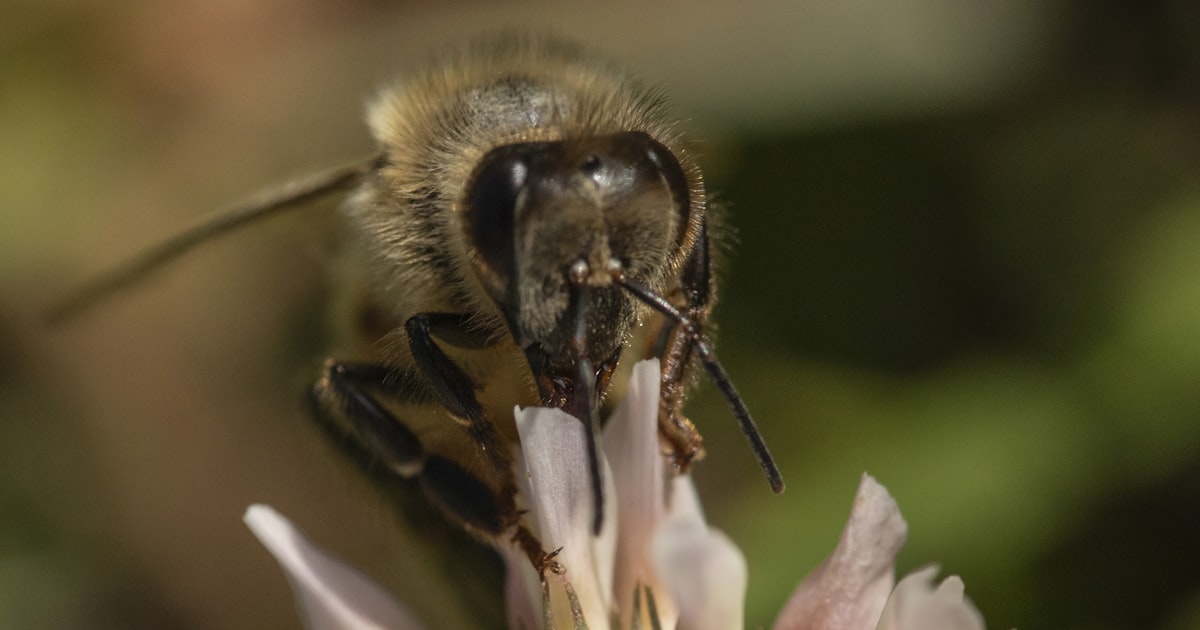
Here is a liberating truth that most gardening books do not lead with: some pest damage in your garden is completely normal, totally acceptable, and actually a sign of a healthy ecosystem. A garden with zero pests also has zero predators, zero biodiversity, and usually a lot of chemicals propping it up.
Integrated Pest Management (IPM) is a smarter way to think about pests. Instead of panicking at the first nibbled leaf and reaching for a spray bottle, IPM gives you a structured, layered approach that works with nature rather than against it.
What Is IPM?
IPM is a systematic approach to pest management that prioritises prevention, uses multiple strategies in combination, and treats spray controls (even organic ones) as a last resort. It was originally developed for commercial agriculture but works brilliantly in home gardens.
Think of it as a pyramid. You start with the broadest, gentlest strategies at the base and only move up to more targeted interventions when absolutely necessary.
The IPM Pyramid
Level 1: Prevention (The Foundation)
Prevention is by far the most effective pest management strategy, and it starts long before any pest shows up.
Healthy soil: Plants growing in healthy, biologically active soil are naturally more resistant to pests and diseases. Build your soil with compost, mulch, and organic matter.
Right plant, right place: A sun-loving tomato planted in deep shade will be weak, stressed, and a magnet for every pest in the neighbourhood. Match your plants to their ideal growing conditions.
Biodiversity: A garden with dozens of different plant species is inherently more pest-resistant than one with just three or four. Diversity confuses pests and provides habitat for their predators.
Strong seedlings: Start with healthy, vigorous plants. Weak or stressed seedlings are easy targets.
Level 2: Cultural Controls
These are the gardening practices and habits that reduce pest problems.
Crop rotation: Do not grow the same plant family in the same spot year after year. Pests and diseases that overwinter in the soil build up over time if you keep feeding them the same crop. Rotate your beds on at least a three-year cycle.
Timing: Many pests are seasonal. By adjusting your planting times, you can avoid the worst of them. For example, planting brassicas in early autumn means they establish before cabbage moth numbers peak.
Resistant varieties: Some plant varieties have been bred specifically for pest and disease resistance. When choosing seeds or seedlings, look for varieties noted for their resilience in Australian conditions.
Garden hygiene: Remove spent plants, fallen fruit, and debris that can harbour pests and diseases. Clean up at the end of each season.
Companion planting: Interplanting with strongly scented herbs (basil, rosemary, lavender) can confuse and deter pests. Marigolds are famous for deterring nematodes and attracting beneficial insects.
OUTSMART GARDEN PESTS
Plan your crop rotation and companion planting
VeggieCrush tracks what you have planted where, so you can rotate crops effectively and pair plants for natural pest protection.
Download the free appLevel 3: Biological Controls
This is where you bring in nature’s pest control team.
Beneficial insects: Ladybirds eat aphids. Lacewings devour whitefly. Hoverfly larvae devour aphids and other soft-bodied pests. Predatory wasps parasitise pest caterpillars. By creating habitat for these allies (through diverse plantings, insect hotels, and avoiding broad-spectrum sprays), you build a free, self-sustaining pest management system.
Birds: Encourage insectivorous birds into your garden with native shrubs, water sources, and nesting spots. A single blue wren family can consume an astonishing number of small insects daily.
Frogs and lizards: Frogs eat slugs and insects. Lizards are voracious insect hunters. A small garden pond and some rock piles go a long way towards attracting these helpful residents.
Companion planting for beneficials: Plant flowers alongside your veggies. Alyssum, dill, fennel, and yarrow are all brilliant for attracting beneficial insects.
Level 4: Physical Controls
Direct, physical interventions that remove or exclude pests.
Netting and row covers: Fine mesh netting is the most effective defence against cabbage moth, fruit fly, and birds. It is a one-off investment that lasts for years.
Hand-picking: For large, visible pests like caterpillars, slugs, and snails, hand-picking is remarkably effective. Do a torch-lit patrol after dark when slugs and snails are most active.
Traps: Beer traps for slugs. Yellow sticky traps for whitefly and fungus gnats. Pheromone traps for fruit fly. These target specific pests without affecting anything else.
Barriers: Copper tape around pots deters slugs. Collars made from cardboard around seedling stems prevent cutworm damage. Sticky bands around tree trunks stop crawling insects.
Water blast: A strong jet of water from the hose knocks aphids off plants and breaks up colonies. Simple, free, and surprisingly effective.
Level 5: Organic Spray Controls (Last Resort)
Even in an organic IPM system, there are times when a targeted spray is warranted. The key word is “targeted.” All of the following are certified organic options.
Neem oil: A broad-spectrum organic option that disrupts pest feeding and breeding. Effective against aphids, whitefly, caterpillars, and mites. Apply in the evening to minimise harm to bees.
Pyrethrum: Derived from chrysanthemum flowers, this is a fast-acting organic insecticide. It breaks down quickly in sunlight, which is good, but it is not selective, so it will harm beneficial insects too. Use sparingly.
Bacillus thuringiensis (Bt): A biological insecticide that specifically targets caterpillars. Safe for bees, ladybirds, and other beneficials. Brilliant for cabbage moth caterpillars on brassicas.
Iron-based snail and slug pellets: Unlike metaldehyde-based pellets (which are toxic to pets and wildlife), iron-based pellets break down into nutrients in the soil. Safe and effective.
Horticultural soap: Effective against soft-bodied insects like aphids and mealybugs. Works on contact and breaks down quickly.
Monitoring and Thresholds
A core principle of IPM is that some pest damage is acceptable. You do not need to eliminate every single aphid or caterpillar. You need to manage them.
Regular monitoring: Walk through your garden every few days. Check the undersides of leaves, inspect new growth, and look for signs of pest activity. Early detection makes everything easier to manage.
Action thresholds: Decide in advance what level of damage you are willing to tolerate. A few holes in your kale leaves? Not worth worrying about. An entire broccoli plant stripped bare? Time to intervene.
Identify before you act: Not every insect in your garden is a pest. Many are beneficial. Before you squash, spray, or panic, identify what you are looking at. A quick photo and a search (or a check in the VeggieCrush app) can save you from accidentally wiping out your best allies.
IDENTIFY AND MANAGE PESTS
Get personalised pest advice for your garden
VeggieCrush helps you identify common Australian garden pests and gives you step-by-step management strategies based on IPM principles.
Download the free appIPM in an Australian Context
Australian gardens face some unique pest challenges:
- Fruit fly is a major concern in many regions. Exclusion netting and traps are the frontline defence.
- Possums can devastate a garden overnight. Physical barriers (netting, possum-proof cages) are the only reliable solution, since possums are protected wildlife.
- Queensland fruit fly and Mediterranean fruit fly require different management strategies depending on your location.
- 28-spotted ladybird (also called the leaf-eating ladybird) is often mistaken for a beneficial ladybird. It eats leaves rather than aphids. Learn to tell them apart.
Many Australian states and territories have specific regulations about pest management, particularly for fruit fly. Check your local council or state department of agriculture for area-specific advice.
Putting It All Together
IPM is not a single action. It is a mindset. When you see a pest problem, work your way up the pyramid:
- Ask: Could I have prevented this? What can I do differently next time?
- Try: Cultural changes first. Rotate, time, companion plant.
- Encourage: Beneficial insects, birds, and other predators.
- Exclude: Netting, traps, barriers, hand-picking.
- Spray: Only if necessary, only the affected area, and only with the most targeted product available.
Over time, as your soil health improves and your garden’s biodiversity increases, you will find that pest problems decrease naturally. The system builds on itself. Your garden becomes more resilient, more balanced, and a whole lot less stressful to manage.
That is the real beauty of IPM. It is not about winning a war against nature. It is about making peace with it.
Get the VeggieCrush App
Join thousands of Aussie gardeners growing better with personalised planting reminders, pest alerts, and expert advice.


Free to download on iOS and Android. No credit card required