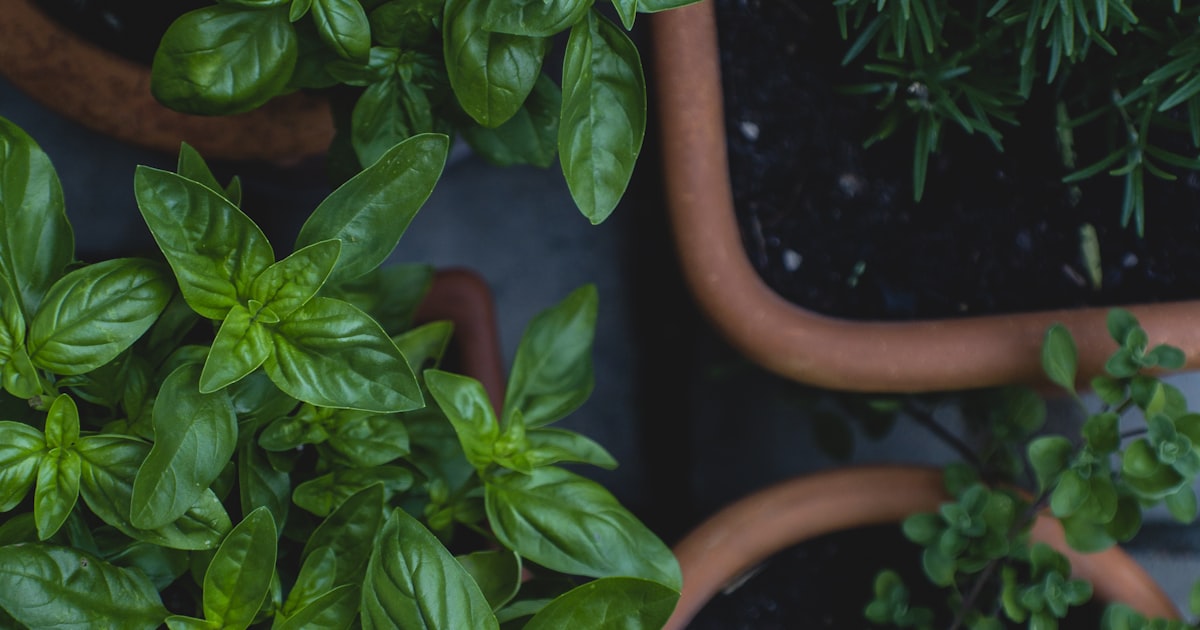
Thyme might be small, but do not underestimate it. This humble little herb packs serious flavour, looks gorgeous spilling over garden edges, and practically thrives on neglect. If you have ever killed a plant by forgetting to water it, thyme might just be your new best friend.
Quick Facts
| Family | Lamiaceae (Mint family) |
| Sun | Full sun (6+ hours) |
| Water | Low |
| Difficulty | Easy |
| Time to Harvest | 8 to 12 weeks |
| Soil | Well-drained, slightly alkaline |
| Hardiness | Frost tolerant |
So Many Varieties
One of the best things about thyme is the sheer number of varieties available. There are over 300 species, and quite a few are worth growing in your garden.
Common thyme (Thymus vulgaris) is the classic cooking variety. It has tiny grey-green leaves and a strong, savoury flavour. This is the one you want for roasts, stews, and French cuisine.
Lemon thyme (Thymus citriodorus) has a beautiful citrus scent and flavour. It is wonderful with fish, chicken, and in salad dressings. The variegated forms with gold-edged leaves are particularly pretty.
Creeping thyme (Thymus serpyllum) is a low-growing ground cover that forms a dense mat of tiny leaves and flowers. It is perfect between stepping stones, along path edges, and in rock gardens. Walk on it and it releases a gorgeous fragrance.
Woolly thyme (Thymus pseudolanuginosus) has soft, fuzzy grey leaves and makes an excellent ground cover. It is more ornamental than culinary but looks stunning in rockeries.
Growing Thyme
Thyme is a Mediterranean herb at heart, which means it loves the conditions that many Australian gardens naturally provide: plenty of sunshine, warmth, and well-drained soil.
Sun: Give thyme as much sun as possible. At least six hours of direct sunlight is ideal. In too much shade, thyme becomes leggy and loses its flavour intensity.
Soil: Good drainage is essential. If your soil is heavy clay, add sand and compost to improve drainage, or grow thyme in containers or raised beds. A slightly alkaline pH is preferred, so a sprinkle of lime is helpful in acidic soils.
Water: Once established, thyme needs very little water. In fact, overwatering is the most common cause of thyme failure. Let the soil dry out between waterings. In most Australian climates, natural rainfall is enough for established plants.
Feeding: Thyme does not need much fertiliser. Too much nitrogen actually reduces the flavour of the leaves. A light feed with a balanced organic fertiliser once or twice a year is plenty.
HERB GARDEN GOALS
Build your dream herb collection step by step
VeggieCrush helps you plan, plant, and care for herbs like thyme with personalised reminders for your climate.
Download the free appContainer Growing
Thyme is a brilliant container plant. Its compact size, low water needs, and attractive form make it ideal for pots on balconies, windowsills, and patios.
Use a terracotta pot with good drainage holes. Terracotta is perfect because it is porous and helps prevent the soil from staying too wet. Use a free-draining potting mix, or add extra perlite or sand to a standard mix.
A strawberry pot (one of those tall pots with multiple planting holes) is fantastic for growing several thyme varieties together. Pop a different variety in each pocket for a living thyme collection.
Managing Woody Stems
After a couple of years, thyme plants can become woody and sparse at the base. Regular light pruning prevents this. After each flowering period, trim the plant back by about one third, cutting just above a set of leaves. Never cut into the bare woody stems, as they will not regrow.
If your thyme plant has gotten too woody, it is time to take some cuttings and start a fresh plant. Thyme cuttings root easily in sandy propagation mix.
Propagation
You have several options for making more thyme plants:
Division: In spring or autumn, dig up an established clump, gently pull it apart into smaller sections, and replant. This is the easiest and fastest method.
Layering: Creeping thyme does this naturally. Where stems touch the soil, they often root on their own. Simply cut these rooted sections free and transplant them.
Cuttings: Take 10 centimetre softwood cuttings in spring or early summer. Strip the lower leaves, dip in rooting hormone, and plant in a sandy mix. Keep moist until roots form in three to four weeks.
Companion Planting
Thyme is an excellent companion plant. Its strong scent helps deter cabbage moths, aphids, and other pests. Plant it alongside brassicas (cabbage, broccoli, cauliflower), tomatoes, and eggplant.
The flowers are also fantastic for attracting beneficial insects, particularly small parasitic wasps and hoverflies that help control pest populations in your garden.
COMPANION PLANTING GUIDE
Pair thyme with the right garden neighbours
VeggieCrush shows you which plants grow best together, so you can design a garden that works as a team.
Download the free appHarvesting and Using Thyme
One of the joys of thyme is that you can harvest it any time you need it. Simply snip off sprigs as required. The flavour is strongest just before the plant flowers.
For drying, cut bunches of stems in the morning after the dew has evaporated. Tie them together and hang upside down in a warm, dry, well-ventilated spot. Once dry, strip the tiny leaves from the stems by running your fingers down the stem in the opposite direction to leaf growth.
Dried thyme is one of those herbs that actually retains its flavour remarkably well, making it a kitchen staple. Store it in an airtight jar away from light.
Rock Gardens and Pathways
Beyond the kitchen, thyme is a superstar in ornamental gardens. Creeping varieties are perfect for filling gaps in rock walls, tumbling over retaining walls, and softening the edges of pathways. They tolerate poor soil, drought, and heat, making them a low-maintenance ground cover that looks stunning when covered in tiny pink or purple flowers.
The Bottom Line
Thyme is one of those rare plants that is both useful and beautiful, easy to grow and hard to kill. Whether you are growing it for the kitchen, for ground cover, or just because you love the way it looks and smells, thyme deserves a spot in every Australian garden. Give it sun, give it drainage, and then mostly leave it alone. It will reward you generously.
Get the VeggieCrush App
Join thousands of Aussie gardeners growing better with personalised planting reminders, pest alerts, and expert advice.


Free to download on iOS and Android. No credit card required