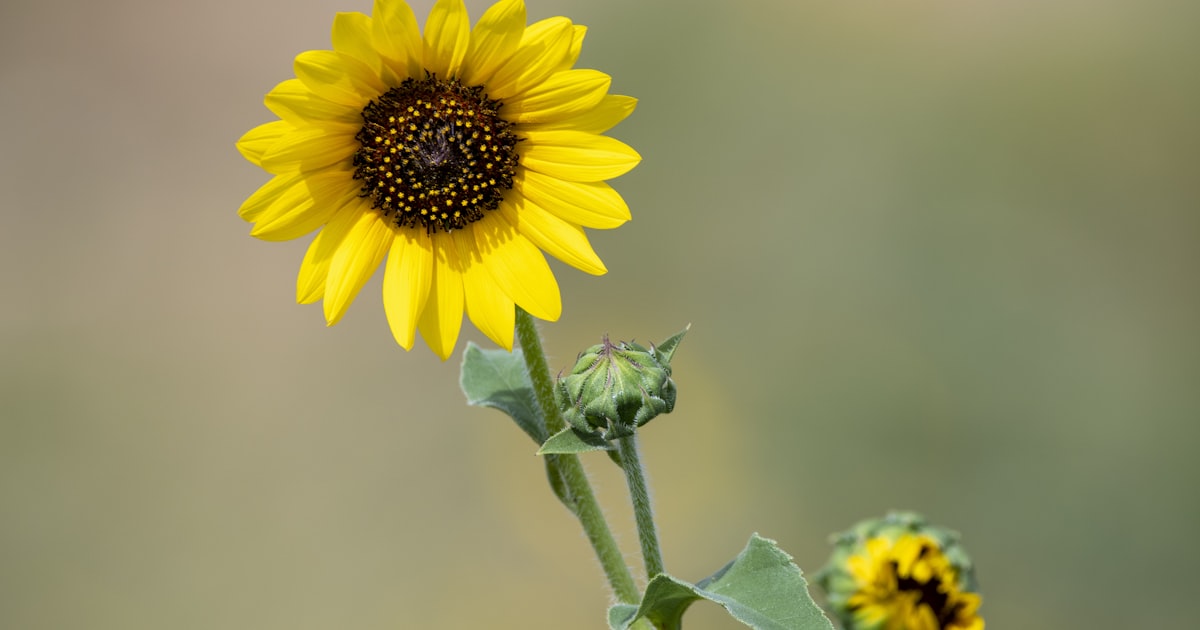
If there is one plant guaranteed to make you smile, it is the sunflower. These golden beauties track the sun, tower over everything else in the garden, and reward you with a massive head full of edible seeds. Whether you are gardening with little ones or just want to add some serious wow factor to your patch, sunflowers deliver every single time.
Quick Facts
| Detail | Info |
|---|---|
| Family | Daisy (Asteraceae) |
| Sun | Full sun (6+ hours) |
| Water | Moderate |
| Difficulty | Easy |
| Time to Harvest | 10 to 14 weeks |
The Ultimate Fun Plant
Sunflowers might just be the best “gateway plant” for kids (and adults who have never gardened before). The seeds are big enough for tiny fingers to handle, they sprout in less than a week, and the growth rate is genuinely exciting. Watching a sunflower shoot past your waist, then your shoulder, then your head is pure garden magic.
Set up a height chart next to a giant variety and let the kids measure it every few days. It is the kind of hands-on learning that sticks with people forever.
Dwarf vs Giant Varieties
Sunflowers come in an incredible range of sizes. Here is a quick breakdown to help you choose.
Giant varieties (1.5 to 4 metres): These are the classic tall sunflowers. Look for varieties like ‘Mammoth Russian’ or ‘Giant Single’. They produce huge heads packed with seeds for eating. You will need sturdy stakes or a fence for support once they get tall.
Dwarf varieties (30 to 60 cm): Perfect for pots, borders, and small gardens. Try ‘Teddy Bear’ (fluffy double blooms), ‘Sunspot’ (big heads on short stems), or ‘Little Becka’ (gorgeous bi-colour petals). These are brilliant for balconies and patios.
Medium varieties (60 cm to 1.5 metres): A great compromise. ‘Autumn Beauty’ and ‘Velvet Queen’ sit in this range and produce stunning multi-coloured blooms.
Not Just Yellow
Here is a surprise for new growers: sunflowers come in way more colours than just classic yellow. You can find varieties in deep burgundy, rich chocolate brown, warm orange, pale lemon, and even bi-colour combinations with rings of red and gold. ‘Moulin Rouge’ is a stunning deep red, while ‘Italian White’ offers creamy pale petals. Mix a few different varieties for a truly spectacular display.
TRACK YOUR SUNFLOWER GROWTH
Watch your sunflowers reach for the sky
Log your sunflower varieties, track their height, and get reminders for watering and seed harvest timing with VeggieCrush.
Download the free appHow to Grow Sunflowers
Direct Sow Only
Sunflowers do not love being transplanted. Their long taproot gets cranky when disturbed, so always sow seeds directly where you want them to grow. Push each seed about 2 cm deep into the soil, water gently, and wait for the magic to happen.
When to sow: After the last frost, once the soil has warmed up. In most of Australia, that means September through to January, depending on your climate zone.
Spacing: Give giant varieties at least 45 to 60 cm between plants. Dwarf varieties can be closer together, around 20 to 30 cm.
Soil and Position
Sunflowers are not fussy about soil, but they do best in well-drained ground that has been enriched with a bit of compost. They need full sun, so pick the sunniest spot in your garden. A north-facing position is ideal in Australia.
Watering
Water regularly while plants are establishing, then ease off a bit once they are growing strongly. Sunflowers are reasonably drought-tolerant once established, but consistent moisture during flowering will give you bigger, better heads.
Supporting Tall Varieties
Giant sunflowers can get top-heavy, especially once the seed head develops. Stake them early (before they need it) using a sturdy bamboo pole or garden stake tied loosely with soft plant ties. If you are growing along a fence, just tie them to the fence as they grow.
Succession Planting for Weeks of Blooms
One of the best tricks with sunflowers is staggering your plantings. Sow a batch every two to three weeks from early spring through to mid-summer, and you will have a rolling display of blooms for months rather than one big burst that is over in a fortnight.
Pollinator Powerhouse
Sunflowers are absolute magnets for bees, butterflies, and other beneficial insects. A single large sunflower head is actually made up of hundreds of tiny individual flowers (called florets), and each one produces nectar and pollen. Plant a row of sunflowers along the edge of your veggie patch and watch the pollinator activity go through the roof. More pollinators means better fruit set on your tomatoes, zucchinis, and pumpkins.
Companion Planting
Sunflowers make excellent companions in the garden. They attract beneficial insects that help control aphids and other pests on nearby plants. Grow them alongside:
- Cucumbers and squash: Sunflowers attract pollinators that cucurbits desperately need.
- Sweetcorn: Similar growing conditions and they look great together.
- Beans and peas: These nitrogen fixers feed the heavy-feeding sunflowers.
Avoid planting sunflowers too close to smaller plants that might get shaded out as the sunflowers grow tall.
COMPANION PLANTING MADE EASY
Find the perfect plant partners
VeggieCrush shows you which plants grow best together so you can plan your sunflower patch with confidence.
Download the free appHarvesting Seeds for Eating
Once the petals have dropped and the back of the seed head turns brown and papery, it is harvest time. Cut the head off with about 30 cm of stem attached and hang it upside down in a dry, airy spot for a week or two. Once fully dry, rub the seeds out with your hands (it is oddly satisfying).
To roast them, soak the seeds in salted water overnight, drain, then spread on a baking tray and roast at 150 degrees Celsius for about 20 to 25 minutes until golden and crunchy.
Common Issues
Snails and slugs: They love young sunflower seedlings. Use beer traps, crushed eggshells, or iron-based snail pellets to protect them in the early weeks.
Aphids: Sometimes cluster on stems and developing buds. A strong blast of water from the hose usually sorts them out, or let the ladybirds handle it.
Powdery mildew: Can appear in humid conditions late in the season. Good air circulation helps prevent it.
Why Every Garden Needs Sunflowers
Sunflowers are one of those rare plants that tick every box. They are easy to grow, stunning to look at, brilliant for pollinators, fun for kids, and they produce a genuinely useful harvest. Whether you tuck a few dwarf varieties into pots on your balcony or plant a towering row of giants along the back fence, you really cannot go wrong. Get some seeds in the ground this spring and prepare for a whole lot of garden joy.
Get the VeggieCrush App
Join thousands of Aussie gardeners growing better with personalised planting reminders, pest alerts, and expert advice.


Free to download on iOS and Android. No credit card required