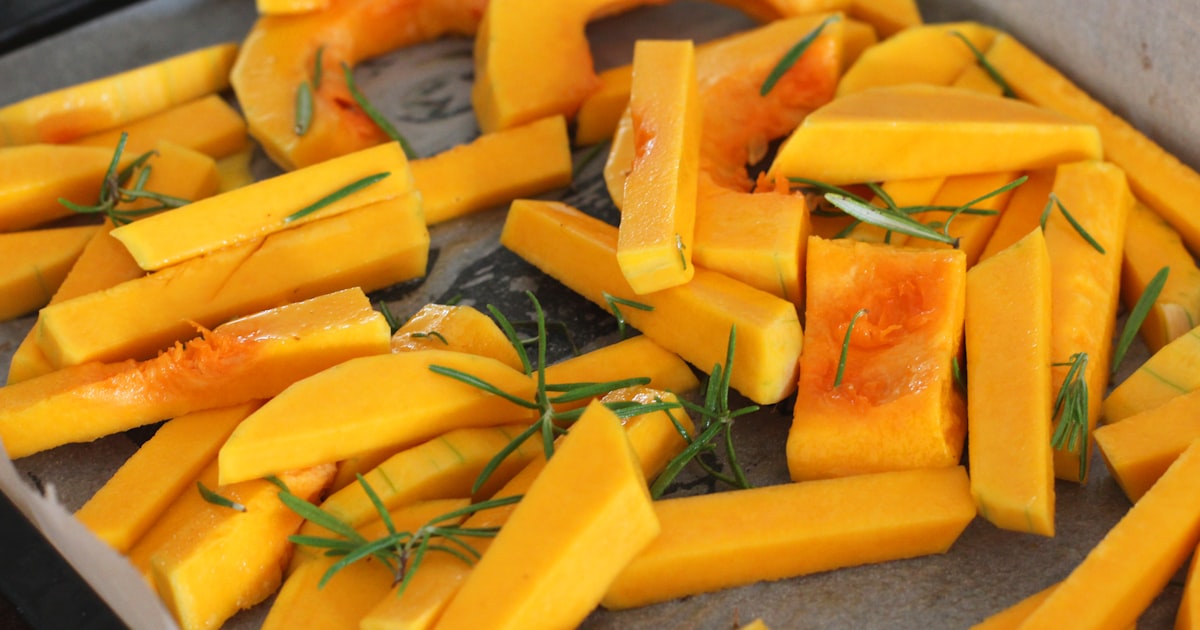
Squash is one of those crops that makes you feel like a proper gardener. There is something deeply satisfying about watching those big, bold vines scramble across the garden and produce fruit that ranges from cute little patty pans to massive butternut beauties you can store for months. If you have the space (and even if you think you do not), squash deserves a spot in your garden.
Quick Facts
| Detail | Info |
|---|---|
| Family | Gourd (Cucurbitaceae) |
| Sun | Full sun |
| Water | Regular |
| Difficulty | Easy |
| Time to Harvest | 8 to 14 weeks (depending on type) |
Summer Squash vs Winter Squash: What Is the Difference?
This is the question that trips everyone up, so let us clear it right away.
Summer squash is harvested young, while the skin is still soft and tender. You eat it fresh, and it does not store for long. Think zucchini, patty pan, and yellow crookneck. The flavour is mild and the texture is delicate.
Winter squash is left on the vine until the skin hardens into a tough shell. It stores for months in a cool, dry place. Think butternut, Queensland blue, and Kent (Jap) pumpkin. The flavour is richer, sweeter, and nuttier.
The “summer” and “winter” labels refer to when you eat them, not when you plant them. Both types are warm-season crops that need to be planted in spring and summer.
Wait, What About Zucchini and Pumpkin?
Zucchini is a type of summer squash. Pumpkin is a type of winter squash. They are all part of the same big, happy Cucurbit family. Different names, same basic growing requirements.
Australian Favourite Varieties
Summer squash:
- Zucchini (various): The classic. ‘Black Beauty,’ ‘Costata Romanesco,’ and golden varieties are all popular.
- Patty Pan (Scallop): Cute flying saucer shapes in yellow, green, or white. Harvest small for best flavour.
- Yellow Crookneck: A buttery, curved squash that is excellent grilled or roasted.
- Tromboncino: An Italian climbing squash that grows on a trellis, saving ground space.
Winter squash:
- Butternut: Sweet, nutty, and incredibly versatile. The workhorse of the squash world.
- Queensland Blue: A true Aussie classic. Big, ribbed, blue-grey skin with dense orange flesh. Stores brilliantly.
- Kent (Jap) Pumpkin: Sweet, dry flesh that is perfect for roasting. The most popular pumpkin in Australian kitchens.
- Spaghetti Squash: Unique stringy flesh that separates into spaghetti-like strands when cooked.
- Delicata: Small, sweet, and you can eat the skin. Perfect for single-serve portions.
How to Grow Squash
Sowing
Squash seeds are big and easy to handle, making them great for direct sowing. Push seeds 2 to 3 cm deep into the soil, pointy end down. You can also start them in pots indoors a few weeks before the last frost if you want a head start.
When to sow: After all risk of frost, once soil temperatures are above 18 degrees Celsius. In most of Australia, that is September through to December. Tropical gardeners can sow from August onwards.
Spacing: Give squash plenty of room. Bush varieties need about 60 to 90 cm between plants. Vining varieties need 1 to 2 metres. Yes, really.
Soil and Position
Squash are hungry plants. They love rich soil packed with compost and well-rotted manure. If you have a compost heap, plant your squash right next to it (or even on top of it). Full sun is essential.
Watering
Regular, consistent watering is key, especially when the plants are flowering and setting fruit. Water at the base of the plant rather than overhead to reduce the risk of powdery mildew. A thick layer of straw mulch around the plants helps retain moisture and keeps the fruit clean.
GROW LIKE A SQUASH PRO
Plan your squash patch with VeggieCrush
Get personalised sowing dates, watering reminders, and harvest timing for summer and winter squash in your climate zone.
Download the free appManaging the Sprawl
Let us be honest: squash vines can take over a garden. A single butternut plant can easily spread 3 to 4 metres in every direction. Here are some strategies for keeping things under control.
Train onto a trellis: Vining types can be trained vertically on a strong trellis, A-frame, or arch. You may need to create little slings (made from old stockings or mesh bags) to support heavy fruit as it develops.
Redirect the vines: As vines grow, gently redirect them back towards empty space. You can pin them down with wire staples to keep them where you want them.
Choose bush varieties: If you genuinely do not have the space, stick to bush-type varieties that stay more compact.
Plant at the edge: Put squash at the edge of your garden and let the vines sprawl into the lawn or along a path. The large leaves shade the ground and suppress weeds.
Pollination
Squash plants produce separate male and female flowers. Male flowers appear first (on thin stems), followed by female flowers (which have a tiny baby squash at the base). Bees do the pollination work, transferring pollen from male to female flowers.
If you notice small fruit forming and then shrivelling up, poor pollination is usually the culprit. You can hand-pollinate by picking a male flower, removing the petals, and gently dabbing the pollen onto the centre of a female flower early in the morning.
Harvesting
Summer squash: Pick early and often. Zucchini and patty pans are best harvested when small to medium (15 to 20 cm for zucchini). The more you pick, the more the plant produces. Leave one on the vine too long and you will end up with a baseball bat.
Winter squash: Leave on the vine until the skin is hard and you cannot dent it with your fingernail. The stem should be dry and corky. Cut the fruit from the vine with a few centimetres of stem attached (this helps it store longer).
Storing Winter Squash
One of the best things about winter squash is its storage life. After harvesting, cure the squash by leaving it in a warm, sunny spot for a week or two. This toughens the skin and heals any minor scratches.
Once cured, store in a cool, dry, well-ventilated place. A butternut can last 3 to 6 months. Queensland Blue can go even longer. Check your stash regularly and use any that show signs of softening.
Companion Planting
Squash is traditionally grown in the “Three Sisters” planting method alongside corn and beans. The corn provides a structure for the beans to climb, the beans fix nitrogen for all three plants, and the squash shades the ground with its large leaves, retaining moisture and suppressing weeds. It is a beautiful system that has been used by First Nations people in the Americas for centuries.
Other good companions include:
- Marigolds: Deter pests and attract pollinators.
- Nasturtiums: Act as a trap crop for aphids.
- Borage: Attracts bees for better pollination.
- Radishes: Deter squash vine borers.
Avoid planting near potatoes.
Powdery Mildew: The Squash Gardener’s Nemesis
Almost every squash grower deals with powdery mildew at some point. It shows up as white, powdery patches on the leaves, usually towards the end of the season.
Prevention: Good air circulation, morning watering at the base, and not overcrowding plants.
Treatment: A spray of diluted milk (one part milk to nine parts water) applied weekly can help prevent and slow the spread. Neem oil also works. Remove badly affected leaves to improve airflow.
The good news? Powdery mildew usually appears late in the season, and by that point, your fruit is often close to harvest anyway.
STAY AHEAD OF GARDEN PESTS
Get troubleshooting tips when you need them
VeggieCrush helps you identify and manage common issues like powdery mildew before they take over your squash patch.
Download the free appCooking Versatility
Squash is one of the most versatile vegetables in the kitchen:
- Summer squash: Grill, roast, stir-fry, spiralise into noodles, add to frittatas, or eat raw in salads.
- Winter squash: Roast, make soup, stuff and bake, mash as a side dish, use in curries, or bake into pies and muffins.
Few crops give you this range of options from a single plant family.
Go Big (or Go Bush)
Whether you let a vine ramble across your entire backyard or tuck a compact bush variety into a large pot, squash rewards you with generous harvests and fantastic flavour. Plant a few summer varieties for fresh eating and a couple of winter types for the pantry, and you will have squash sorted from Christmas through to the following winter. That is a pretty good return on a few seeds and some compost.
Get the VeggieCrush App
Join thousands of Aussie gardeners growing better with personalised planting reminders, pest alerts, and expert advice.


Free to download on iOS and Android. No credit card required