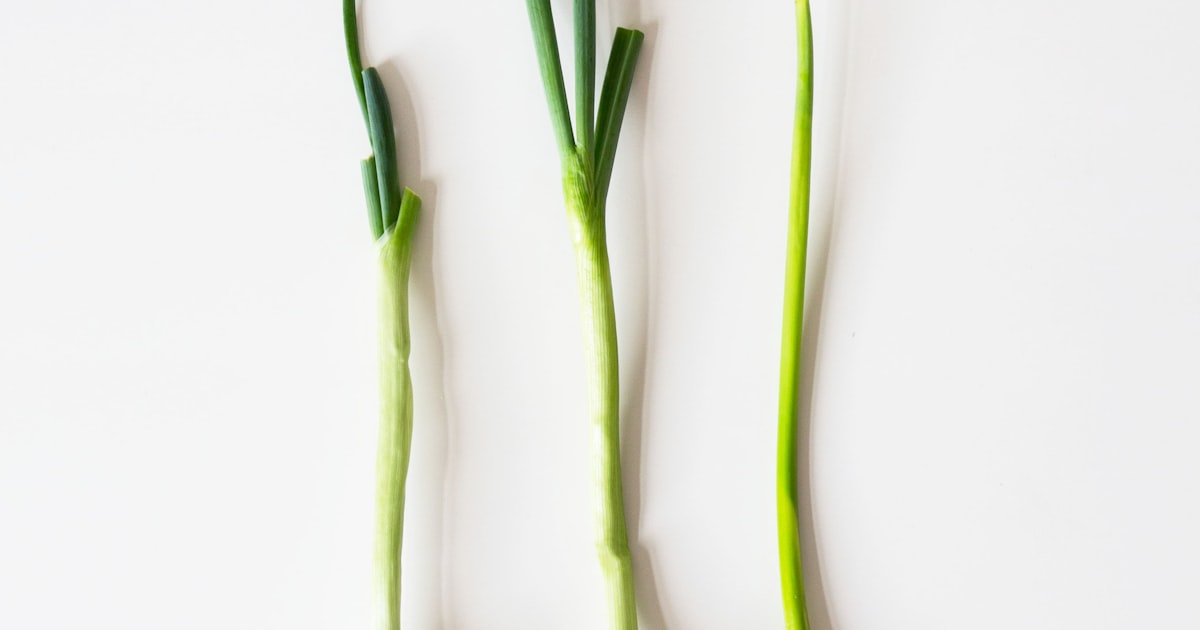
If you want a gardening win that feels almost instant, spring onions are your plant. They grow fast, they grow almost anywhere, they grow almost all year round, and you can even regrow them from supermarket scraps for free. If there is a more beginner-friendly plant out there, we have not found it.
Quick Facts
| Family | Onion/Allium (Amaryllidaceae) |
| Difficulty | Easy |
| Sun | Full sun to partial shade |
| Water | Moderate, consistent moisture |
| Time to Harvest | 8 to 12 weeks from seed |
| Best Containers | Yes, brilliant in pots |
| Companions | Carrots, lettuce, beetroot, silverbeet |
Why Spring Onions Are Perfect for Beginners
Speed. From seed to plate in 8 to 12 weeks. From supermarket scraps, you can have fresh green tops in a matter of days.
Year-round planting. In most Australian climate zones, you can plant spring onions in every month of the year. No complicated seasonal timing to worry about.
Tiny space needed. A single 15cm pot can hold half a dozen spring onions. They take up almost no room and are happy on a windowsill, balcony, or tucked into a corner of a garden bed.
Versatility in the kitchen. Stir-fries, salads, noodle dishes, garnishes, omelettes, dips. Spring onions are one of those ingredients you never seem to have enough of. Growing your own means you always have some on hand.
When to Plant
Spring onions are remarkably unfussy about timing. Here is a general guide, but honestly, just plant them whenever you feel like it and they will probably do fine.
| Climate Zone | Best Planting Time |
|---|---|
| Tropical | Year-round (avoid the wettest weeks) |
| Subtropical | Year-round |
| Arid | March to November |
| Temperate | Year-round |
| Cool | August to April |
In cooler zones, growth slows during winter but the plants will survive and keep going once temperatures pick up again in spring.
Growing from Seed
- Fill a pot or garden bed spot with quality potting mix or well-composted soil.
- Scatter seeds thinly across the surface and cover with about 5mm of mix.
- Water gently and keep the soil moist.
- Seeds germinate in 10 to 14 days.
- Thin seedlings to about 2cm apart once they are a few centimetres tall. The thinnings are edible, so toss them into a salad.
That is it. They are really that simple.
The Supermarket Scraps Trick
This is the gateway drug of gardening. It costs nothing and the results are almost immediate.
- Next time you buy spring onions from the shops, cut off the green tops for cooking as usual.
- Keep the white root ends, about 3 to 5cm long, with the roots still attached.
- Place them root-down in a small glass of water on your windowsill.
- Change the water every couple of days.
- Within 3 to 5 days, you will see new green shoots emerging from the top.
You can keep them in water indefinitely (refreshing regularly) or transplant them into a pot of soil for stronger, longer-term growth. Soil-grown regrown spring onions produce thicker, more flavourful greens.
REGROWING FROM SCRAPS?
Track your spring onions in VeggieCrush
Log your plants, get watering reminders, and follow the step by step growing guide for spring onions tailored to your climate zone.
Download the free appOngoing Care
Watering
Keep the soil consistently moist but not waterlogged. Spring onions have shallow roots, so they dry out fairly quickly, especially in pots. A regular check every day or two is usually enough.
Feeding
Spring onions are not heavy feeders. A light application of liquid seaweed fertiliser every few weeks is more than enough. If your potting mix had slow-release fertiliser in it (most premium mixes do), you may not need to feed at all for the first couple of months.
Weeding
In garden beds, keep the area around spring onions free of weeds. Their thin, upright leaves do not shade the soil much, so weeds can compete aggressively. Mulching helps, but keep it light around the base of the plants.
Harvesting
You have two options for harvesting spring onions, and both work well.
Pull the Whole Plant
Grasp the spring onion at the base and gently pull it out of the soil. This gives you the white bulb section and the green tops. Use it all.
Cut and Come Again
Using scissors, snip the green tops about 3cm above the soil line. The plant will regrow new green shoots. You can do this several times before the plant is exhausted. This is great for a continuous supply without having to replant.
Succession Planting
The key to never running out of spring onions is succession planting. Here is the simple version.
- Plant a small batch (10 to 15 seeds or scraps) right now.
- Two to three weeks later, plant another batch.
- Repeat indefinitely.
By the time you finish harvesting your first batch, the next one is ready. It is a rolling supply that keeps your kitchen stocked year-round with minimal effort.
Container Growing
Spring onions are possibly the easiest vegetable to grow in containers.
Pot size: A pot as small as 15cm wide and 15cm deep can hold 5 to 8 spring onions comfortably.
Potting mix: Any quality potting mix will do. Nothing special needed.
Location: Happy in full sun or partial shade. A windowsill that gets a few hours of light works perfectly.
Watering: Check daily in warm weather. The small pot volume means it dries out quickly.
You can even grow them in recycled containers: old tin cans, yoghurt tubs (with drainage holes punched in the bottom), or cut-down milk cartons. Spring onions are not fussy about aesthetics.
Companion Planting
Spring onions are excellent companion plants. Their mild onion scent can help deter some pests, and they take up so little space that they tuck in nicely between other plants.
Good companions:
- Carrots (spring onions may help confuse carrot fly)
- Lettuce and other salad greens
- Beetroot
- Silverbeet
- Tomatoes
- Herbs
Avoid planting near:
- Beans and peas (members of the allium family can inhibit their growth)
BUILDING YOUR FIRST GARDEN?
Start with spring onions and grow from there
VeggieCrush helps you plan companion planting, track multiple plants, and build your garden one easy win at a time.
Download the free appCommon Problems
Spring onions are remarkably trouble-free, but here are a few things to watch for.
Yellowing tips. Usually a sign of underwatering or nutrient deficiency. Water more consistently and give a feed of liquid fertiliser.
Thin, spindly growth. Not enough light. Move to a sunnier spot.
Rotting at the base. Too much water or poor drainage. Let the soil dry out slightly between waterings and make sure your container has drainage holes.
Thrips. Tiny insects that cause silvery streaking on leaves. Spray with neem oil or just harvest and replant. Thrips are rarely a serious problem for home gardeners.
The Easiest Win in Gardening
Spring onions deliver everything a beginner gardener needs: speed, simplicity, and the satisfaction of eating something you grew. Start with the supermarket scraps trick tonight. Put those root ends in water, watch them grow over the next few days, and congratulate yourself. You are now a gardener.
From there, try a pot of seeds for a bigger, more sustainable supply. Set up succession planting and you will have fresh spring onions on hand every single week of the year. Not bad for a plant that asks almost nothing of you in return.
Get the VeggieCrush App
Join thousands of Aussie gardeners growing better with personalised planting reminders, pest alerts, and expert advice.


Free to download on iOS and Android. No credit card required