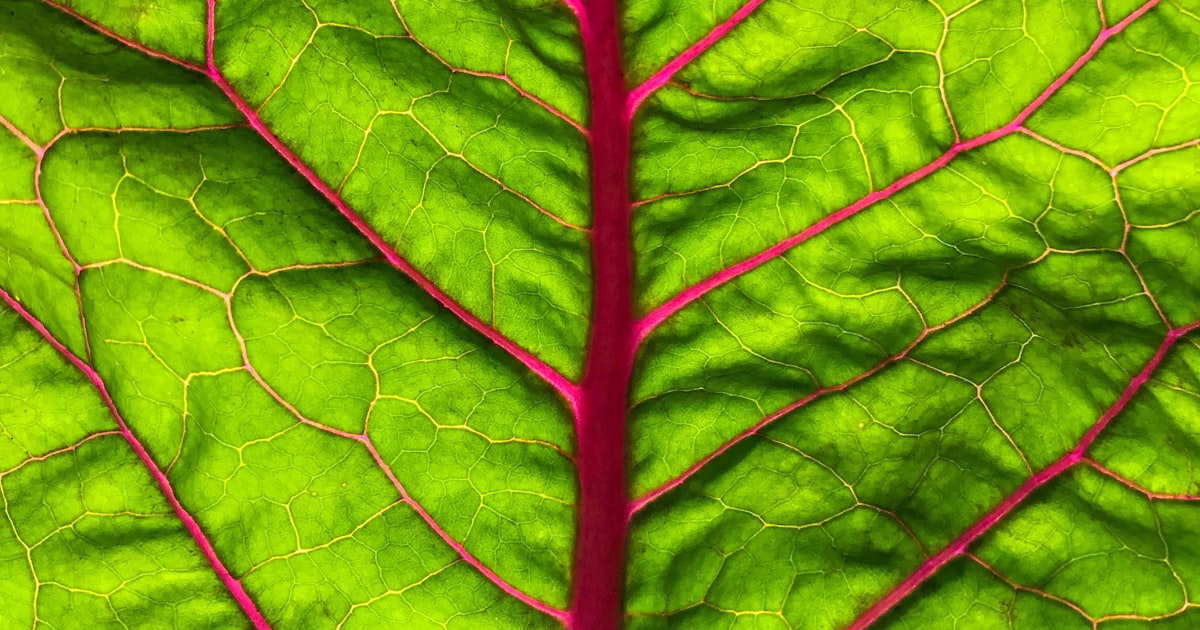
Every veggie patch needs a reliable workhorse. Something that keeps producing when everything else has given up. Something that shrugs off heat, handles a bit of frost, and still looks good doing it. That plant is silverbeet, and it deserves a spot in every Australian garden.
Quick Facts
| Family | Amaranthaceae (Amaranth family) |
| Sun | Full sun to partial shade |
| Water | Moderate |
| Difficulty | Easy |
| Time to Harvest | 8 to 12 weeks |
| Plant Size | 40 to 60cm tall |
| Spacing | 30 to 40cm apart |
Why Silverbeet Is the Ultimate Aussie Veggie
Let’s be honest. Silverbeet is not glamorous. It does not get the Instagram love that heirloom tomatoes or rainbow carrots do. But when it comes to reliability, nothing else comes close.
Here is what makes silverbeet legendary:
- It grows year-round in most Australian climate zones
- It handles heat far better than spinach (which bolts at the first sign of warm weather)
- It tolerates light frost without complaint
- It keeps producing for months if you harvest correctly
- It is almost impossible to kill (short of completely forgetting it exists)
If you are a beginner gardener and you want an early win, silverbeet is your best friend.
Varieties Worth Growing
Classic White Stem
The one you probably grew up eating. Thick white stems, large dark green leaves. Incredibly productive and the most common variety in Australian gardens.
Rainbow Silverbeet (Five Colour)
This is where things get fun. Rainbow silverbeet produces stems in shades of red, orange, yellow, pink, and white, all from the same packet of seeds. It looks absolutely stunning in the garden and on the plate. Same flavour and hardiness as the classic, but with serious visual appeal.
Fordhook Giant
A heritage variety with thick, crinkled dark green leaves and broad white stems. Known for its mild flavour and impressive size. A favourite among experienced growers.
Ruby Red
Deep red stems with dark green leaves. Gorgeous in salads when harvested young. The colour holds when cooked lightly but fades with extended cooking.
PLAN YOUR PATCH
Never wonder what to plant next
VeggieCrush tells you exactly when to plant silverbeet in your specific climate zone, so you always get the timing right.
Download the free appHow to Grow Silverbeet
When to Plant
The beauty of silverbeet is that you can plant it pretty much any time of year across most of Australia. In tropical and subtropical zones, autumn through winter is ideal. In temperate and cool zones, spring and autumn are best, but it will soldier on through summer and winter too.
Sowing Seeds
Silverbeet seeds are actually clusters of seeds (technically called “multigerm” seed balls), so you will often get two or three seedlings popping up from each one. Sow seeds about 2cm deep and 30 to 40cm apart. If you get multiple seedlings from one seed, thin to the strongest one when they are about 5cm tall.
You can sow directly into the garden or start in punnets and transplant. Direct sowing is easiest.
Soil and Position
Silverbeet is not fussy, but it does best in:
- Rich, well-drained soil with plenty of organic matter
- Full sun (at least 4 to 6 hours), though it tolerates partial shade
- Soil with a pH of 6.0 to 7.0
Dig in some compost or aged manure before planting and you are set.
Watering
Keep the soil consistently moist but not waterlogged. Water deeply a few times a week rather than a light sprinkle every day. Mulch around the plants to retain moisture and keep roots cool in summer.
Feeding
Silverbeet is a leafy green, so it appreciates nitrogen. A fortnightly liquid feed with seaweed solution or fish emulsion will keep it lush and productive. If the leaves start looking pale, it is hungry. Give it a good feed and it will bounce back.
Harvesting: The Golden Rule
Here is the most important thing to know about silverbeet: always harvest the outer leaves first and leave the centre growing.
Grab the outer stems at the base and snap or cut them off. The plant will keep producing new leaves from the centre for months, sometimes up to a year or more. If you pull the whole plant out, you get one harvest. If you pick the outer leaves, you get dozens.
Aim to take no more than a third of the plant at any one time. This keeps it healthy and productive.
Companion Plants
Silverbeet plays well with most other veggies. Great companions include:
- Beans and peas (fix nitrogen in the soil, which silverbeet loves)
- Lettuce (similar water needs, good use of space)
- Onions and garlic (help deter pests)
- Herbs like parsley and dill
Avoid planting next to corn, which competes for the same nutrients.
COMPANION PLANTING MADE EASY
Find the perfect planting partners
VeggieCrush shows you which plants grow best together so your silverbeet (and everything else) thrives.
Download the free appDealing with Pests
Silverbeet is generally trouble free, but keep an eye out for:
- Slugs and snails: They love young seedlings. Use beer traps, crushed eggshell barriers, or iron-based pellets.
- Leaf miner: Small white trails through the leaves. Remove affected leaves and dispose of them (not in compost). Neem oil can help as a preventive.
- Aphids: Blast them off with a hose or spray with soapy water.
In the Kitchen
Silverbeet is incredibly versatile. The leaves and stems can be used in different ways.
Leaves: Use like spinach. Wilt into pasta, add to curries, stir into soups, or saute with garlic and olive oil. Young leaves are mild enough for salads.
Stems: The thick white stems have a different texture and take longer to cook. Chop them finely and add to stir fries, or cook them separately before adding the leaves. Some people pickle them, which is delicious.
Classic Aussie Silverbeet Recipe Ideas:
- Silverbeet and ricotta pie (a Greek-inspired favourite)
- Silverbeet in a creamy pasta bake
- Sauteed with garlic, lemon, and a pinch of chilli
- Added to minestrone soup
- Blended into a green smoothie (if you are feeling adventurous)
Common Questions
Is silverbeet the same as Swiss chard? Yes. Silverbeet is the Australian and New Zealand name for what the rest of the world calls Swiss chard or simply chard. Same plant, different name.
Can I grow it in a pot? Absolutely. Use a pot at least 30cm wide and deep, fill with quality potting mix, and keep it well watered. It does brilliantly on balconies and patios.
How long does a plant last? With regular harvesting and feeding, a silverbeet plant can produce for 6 to 12 months before eventually bolting.
The Bottom Line
Silverbeet is not flashy. It will never be the star of a gardening magazine cover. But it is the hardest working, most reliable, most forgiving vegetable you can grow in Australia. Plant some this weekend and enjoy months of fresh, homegrown greens with barely any effort. That is a pretty good deal.
Get the VeggieCrush App
Join thousands of Aussie gardeners growing better with personalised planting reminders, pest alerts, and expert advice.


Free to download on iOS and Android. No credit card required