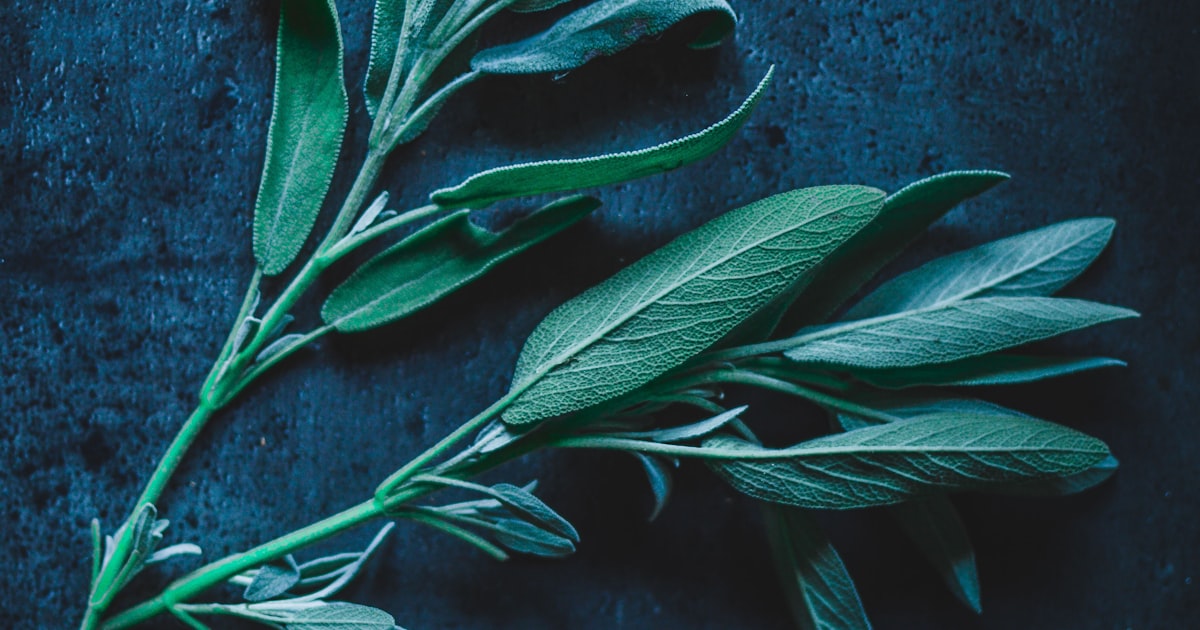
Sage has been a symbol of wisdom and good health for centuries, and in the garden, it earns that reputation by being one of the most reliable, low-fuss herbs you can grow. It handles heat, tolerates drought, laughs off neglect, and rewards you with beautiful grey-green leaves that smell incredible and taste even better.
If you are an Australian gardener looking for a herb that basically takes care of itself, sage is your plant.
Quick Facts
| Detail | Info |
|---|---|
| Family | Lamiaceae (Mint family) |
| Sun | Full sun |
| Water | Low (drought-tolerant once established) |
| Difficulty | Easy |
| Time to First Harvest | 10 to 14 weeks |
| Lifespan | Perennial (lives for years) |
Why Sage Thrives in Australia
Like its Mediterranean cousins rosemary and thyme, sage comes from a climate with hot, dry summers and mild winters. That describes a good chunk of Australia perfectly. Once established, sage barely needs watering and actually prefers things on the drier side.
It also handles poor soil without complaint. In fact, sage grown in lean soil often has a more concentrated flavour than sage pampered with rich compost. Less is truly more with this herb.
Varieties to Try
There are more types of sage than most people realise, and they all have something different to offer:
- Common sage (Salvia officinalis): The classic culinary variety. Grey-green leaves, strong flavour, the one you want for cooking.
- Purple sage: Beautiful deep purple leaves. Slightly milder flavour. Stunning in the garden as an ornamental edible.
- Golden sage: Green leaves edged with gold. Lovely in containers and borders. Good flavour.
- Pineapple sage (Salvia elegans): Not a true culinary sage, but the leaves smell like pineapple and the bright red flowers are gorgeous. Great for teas and desserts.
- White sage: Often used for smudging rather than cooking. Grows well in dry Australian conditions.
For the kitchen, stick with common sage. For the garden, mix it up. A collection of sage varieties is a beautiful thing.
Planting and Position
Sun: Full sun, at least 6 hours a day. Sage will tolerate a bit of afternoon shade in very hot climates, but it prefers to bask.
Soil: Well-drained is essential. If your soil is heavy clay, add grit and sand, or grow in a raised bed or container. Sage absolutely cannot stand wet feet.
Spacing: Give each plant about 40 to 60cm of space. Sage bushes can get quite substantial over time, reaching 60cm or more in height and width.
Watering: Less Is More
Once established (after the first month or two), sage needs very little water. In the ground, a deep watering once a week in summer is usually plenty. In winter, you may not need to water at all unless it has been particularly dry.
In containers, water when the top few centimetres of soil are dry. Always err on the side of too dry rather than too wet.
Pruning: Keep It Bushy
Left to its own devices, sage becomes woody and leggy over a few years. Regular pruning keeps it compact, productive, and looking good.
Pruning guidelines:
- After flowering (usually late spring), cut the plant back by about a third
- Regular harvesting counts as pruning, so snip often
- Never cut into bare, woody stems. Sage does not regenerate from old wood
- In spring, remove any dead or frost-damaged growth
A well-pruned sage plant can be productive for 4 to 5 years or more. Eventually, it will get too woody and you will need to replace it. Take cuttings first.
HERB GARDEN MADE EASY
Track your sage through every season
VeggieCrush reminds you when to prune, when to harvest, and when it is time to propagate new plants from your sage bush.
Download the free appPropagation
From cuttings: Take 10cm cuttings from new growth in spring or early summer. Strip lower leaves, dip in rooting hormone, and plant in a sandy potting mix. Keep moist until rooted (4 to 6 weeks).
By layering: Bend a low-growing branch to the ground, pin it down, and cover with soil. It will root along the stem. Once established, cut it free from the parent plant.
From seed: Possible but slow. Seeds take 2 to 3 weeks to germinate and the plants grow slowly at first. Cuttings are faster and give you a genetic copy of a plant you already know performs well.
Culinary Uses
Sage is a powerhouse in the kitchen:
- Burnt butter and sage pasta: The classic. Melt butter until it goes golden brown, toss in whole sage leaves until crispy. Pour over pasta. Life changing.
- Stuffing: Sage is the essential herb in traditional stuffing for roast chicken or turkey.
- Pork and sage: A match made in heaven. Tuck sage leaves under the skin of a pork roast.
- Saltimbocca: Italian classic with veal, prosciutto, and sage.
- Sage tea: Steep a few fresh leaves in hot water for 5 minutes. It is earthy, warming, and traditionally used for sore throats.
- Sage butter: Mix chopped sage into softened butter with a pinch of salt. Roll in cling wrap and keep in the fridge. Slice off rounds to melt over vegetables or steak.
Companion Planting
Sage is a brilliant companion plant, especially for brassicas:
- Cabbage, broccoli, cauliflower: Sage’s strong scent is excellent at deterring cabbage moth
- Carrots: May help confuse carrot fly
- Strawberries: Good neighbours
- Rosemary and thyme: Share similar conditions and look great together
Avoid planting near: Cucumbers and other moisture-loving plants that need very different conditions.
A Winter Performer
While many herbs slow down or die back in winter, sage keeps on going. It is evergreen in most of Australia and continues to produce usable leaves right through the cooler months. This makes it invaluable when your basil and coriander have called it quits for the season.
In very cold areas, sage may lose some leaves or look a bit tired, but it bounces back strongly in spring.
YEAR-ROUND HERBS
Build a herb garden that never stops producing
VeggieCrush helps you choose herbs like sage that keep delivering through every season, no matter your climate zone.
Download the free appThe Bottom Line
Sage asks very little and gives a lot. A sunny spot, good drainage, the occasional prune, and you have a beautiful, fragrant, productive herb that lasts for years. It is perfect for beginners, rewarding for experienced gardeners, and essential for anyone who loves cooking.
Plant one this season. Your future pasta dishes will thank you.
Get the VeggieCrush App
Join thousands of Aussie gardeners growing better with personalised planting reminders, pest alerts, and expert advice.


Free to download on iOS and Android. No credit card required