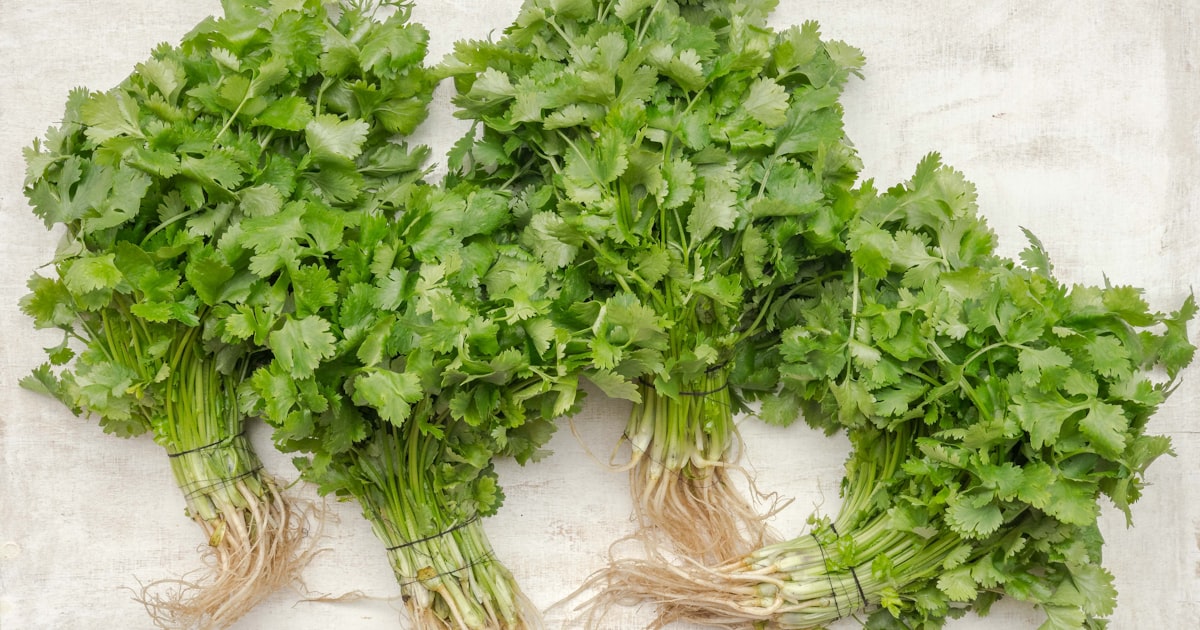
Let’s be honest. Parsley has been unfairly treated for decades. It’s been shoved to the side of plates as a sad little garnish, ignored while flashier herbs like basil and coriander hog the spotlight. But here’s the thing: parsley is an absolute powerhouse in the garden and the kitchen, and it deserves way more respect than it gets.
If you’ve ever wanted an herb that’s easy to grow, packed with nutrients, brilliant for companion planting, and useful in just about every meal, parsley is your plant. Let’s give it the love it deserves.
Quick Facts
| Detail | Info |
|---|---|
| Family | Carrot/Parsley (Apiaceae) |
| Sun | Full sun to partial shade |
| Water | Moderate |
| Difficulty | Easy |
| Time to Harvest | 10 to 12 weeks |
Flat-Leaf vs Curly: The Great Debate
There are two main types of parsley you’ll find at the nursery or in seed packets, and both are worth growing.
Flat-leaf (Italian) parsley has a stronger, more robust flavour. It’s the one most chefs reach for because it packs a punch in cooking. The leaves are flat, dark green, and look a bit like coriander (which can lead to some entertaining mix-ups in the garden).
Curly parsley has a milder, slightly peppery taste. It’s the classic garnish variety with those ruffled, bright green leaves. Don’t write it off just because it’s been relegated to plate decoration, though. It’s lovely chopped through salads, mixed into tabbouleh, or scattered over roasted veggies.
Our suggestion? Grow both. They take up very little space and you’ll always have the right parsley for the job.
Getting Those Seeds to Sprout
Here’s the one thing about parsley that trips people up: germination. Parsley seeds are notoriously slow to sprout. We’re talking two to four weeks, sometimes even longer. If you’ve planted parsley seeds and given up after a week, you’re not alone, but you gave up too soon.
Sow seeds about 5mm deep in moist, well-drained soil. Keep the soil consistently damp (not waterlogged) while you wait. Patience is the name of the game here. Once those little seedlings finally appear, they’ll grow steadily and reward your persistence.
The Biennial Surprise
Parsley is technically a biennial, which means it has a two-year life cycle. In its first year, it focuses on producing those lovely edible leaves. In its second year, it sends up a tall flower stalk, sets seed, and then calls it a day.
Once parsley bolts (runs to seed), the leaves become bitter and less pleasant to eat. The good news is that the flowers are fantastic for beneficial insects, so you can let it do its thing and just plant a fresh batch for your kitchen supply.
The smartest approach is to sow new parsley every year so you always have first-year plants producing tender leaves. Succession sowing every few months keeps you in constant supply.
NEVER FORGET WHEN TO SOW
Track your parsley planting schedule
VeggieCrush reminds you when to sow new parsley based on your climate zone, so you never run out of fresh leaves.
Download the free appCompanion Planting Champion
Parsley is one of the best companion plants you can grow. It attracts hoverflies and other beneficial insects that prey on aphids and other garden pests. Plant it near your tomatoes, asparagus, and roses for a natural pest management boost.
It also grows happily alongside chives, carrots, and beans.
The flowers that appear in the second year are especially valuable for attracting predatory wasps and other beneficial insects. If you have room, let at least one plant go to flower.
Growing in Containers
Parsley is brilliant in pots. Its taproot appreciates a container that’s at least 20cm deep, but it doesn’t need a huge amount of space otherwise. A decent-sized pot on a sunny windowsill, balcony, or patio is perfect.
Use a quality potting mix, water regularly (containers dry out faster than garden beds), and feed with a liquid fertiliser every couple of weeks during the growing season. Snip leaves from the outside of the plant first, working your way inward, and the plant will keep producing new growth from the centre.
More Than Just a Garnish
Let’s talk about what parsley can actually do in the kitchen, because it’s so much more than a decorative sprig.
Tabbouleh is the classic parsley dish. It’s mostly parsley with a bit of bulgur wheat, tomato, mint, lemon juice, and olive oil. Fresh, zingy, and absolutely delicious.
Chimichurri is an Argentinian sauce that’s basically a parsley party. Blend flat-leaf parsley with garlic, olive oil, red wine vinegar, and chilli flakes. Drizzle it over grilled meats or roasted vegetables.
Green smoothies benefit from a handful of parsley. It’s milder than kale and blends well with fruit.
And honestly, just chopping a generous amount of fresh parsley through pasta, soups, salads, scrambled eggs, or roasted potatoes makes everything taste brighter and fresher.
Nutritional Powerhouse
Parsley isn’t just flavourful. It’s genuinely good for you. It’s rich in vitamins A, C, and K, plus iron, folate, and antioxidants. Gram for gram, parsley contains more vitamin C than oranges. Not bad for a “garnish.”
GROW YOUR OWN SUPERFOODS
Start your herb garden with VeggieCrush
Get personalised growing guides for parsley and dozens of other herbs, tailored to your exact location in Australia.
Download the free appCommon Issues
Parsley is generally trouble-free, but watch out for a few things:
- Caterpillars may occasionally appear on parsley. The Orchard Swallowtail butterfly (Papilio aegeus) can feed on parsley, though citrus is its primary host. If you spot caterpillars, consider planting extra to share rather than removing them.
- Root rot can occur if the soil stays waterlogged. Good drainage is essential.
- Aphids sometimes appear but are usually kept in check by the beneficial insects that parsley attracts. Full circle.
The Bottom Line
Parsley is easy, productive, nutritious, and endlessly useful in the kitchen. It plays nicely with other plants, thrives in pots, and asks very little of you in return. If it’s not already in your garden, fix that. You won’t regret it.
Get the VeggieCrush App
Join thousands of Aussie gardeners growing better with personalised planting reminders, pest alerts, and expert advice.


Free to download on iOS and Android. No credit card required