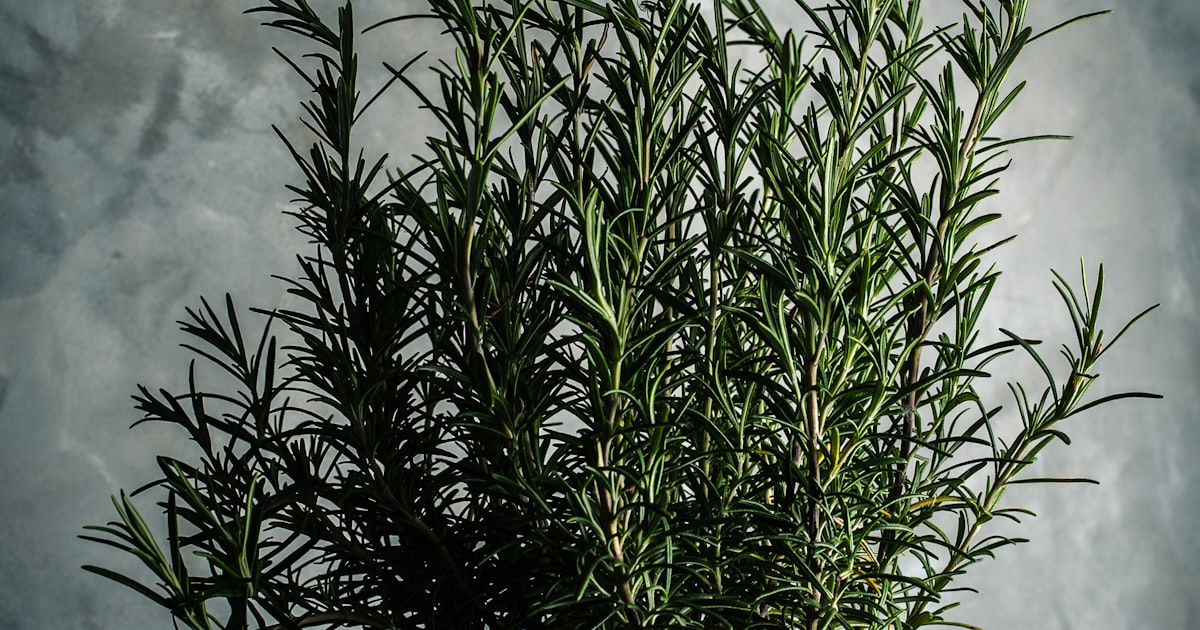
Oregano is one of those herbs that quietly works overtime. You tear off a few leaves for your pizza, toss some into a pasta sauce, sprinkle it on roast vegetables, and somehow there is always more. This generous, tough, spreading perennial is one of the easiest herbs you can grow, and it tastes infinitely better fresh from the garden than anything in a dried jar from the supermarket shelf.
Well, actually, dried oregano is pretty fantastic too. But we will get to that.
Quick Facts
| Detail | Info |
|---|---|
| Family | Lamiaceae (Mint family) |
| Sun | Full sun |
| Water | Low (drought-tolerant once established) |
| Difficulty | Easy |
| Time to First Harvest | 8 to 12 weeks |
| Lifespan | Perennial (lives for years) |
Greek vs Italian vs Cuban: They Are Different Plants
This is something that surprises a lot of people. When you see “oregano” at the nursery, you might be getting one of several quite different plants.
Greek oregano (Origanum vulgare subsp. hirtum): The real deal for cooking. Strong, peppery, aromatic flavour. This is what you want for pizza, pasta, and Greek salads. Compact growth, small leaves, white flowers.
Italian oregano: Usually a hybrid between oregano and marjoram. Milder flavour with a sweeter note. Lovely in Italian cooking. Slightly larger leaves than Greek.
Cuban oregano (Plectranthus amboinicus): Not actually an oregano at all. It is in the same family but a completely different genus. Thick, fleshy, succulent-like leaves with a very strong oregano-like flavour. It is fantastic in Caribbean and Asian cooking but quite different from Mediterranean oregano. It also loves tropical and subtropical Australian climates.
Planting and Position
Oregano wants the same conditions as most Mediterranean herbs:
- Full sun: At least 6 hours a day. More is better.
- Well-drained soil: It does not tolerate soggy roots. Sandy or loamy soil is ideal.
- Not too rich: Lean soil actually produces more flavourful oregano. Do not overfeed it.
Space plants about 30 to 40cm apart. Oregano spreads, so give it room to fill in. Or, if you want to contain it, grow in a pot (more on that below).
Watering
Once established, oregano needs very little water. It is drought-tolerant and actually prefers to be a bit dry.
- New plants: Water regularly for the first few weeks
- Established plants: Water deeply once a week in summer, barely at all in winter
- In pots: Water when the top few centimetres of soil dry out
The Spreading Situation
Oregano spreads. That is what it does. It sends out runners and slowly colonises any bare ground around it. In a garden bed, this can be helpful (ground cover, weed suppression) or annoying (it is taking over my lettuce patch).
To manage the spread:
- Grow in a container (the easiest solution)
- Plant in a bottomless pot sunk into the garden bed
- Regularly trim the edges
- Pull up runners that stray too far
Honestly, having too much oregano is not the worst problem to have. You can always dry the excess.
CONTAINER HERB GARDEN
Keep oregano under control with smart planning
VeggieCrush helps you plan herb gardens that work, whether in pots on the balcony or beds in the backyard.
Download the free appHarvesting for Peak Flavour
Here is a key tip that makes a real difference: harvest oregano just before it flowers. This is when the essential oil concentration in the leaves is highest, giving you the strongest flavour.
Once oregano flowers, the plant puts its energy into seed production and the leaves become slightly bitter. You can still eat them, but they will not be as good.
How to harvest:
- Cut stems about 10cm from the top
- Harvest in the morning after the dew has dried but before the heat of the day
- Regular cutting keeps the plant bushy and delays flowering
- Never take more than a third of the plant at once
Drying Oregano
This is where oregano is a bit unusual among herbs. Most herbs are best fresh. Oregano is one of the few that actually improves when dried. The drying process concentrates the essential oils and the flavour becomes more intense.
How to dry oregano:
- Cut long stems and tie them in small bundles
- Hang upside down in a warm, dry, airy spot out of direct sunlight
- Leave for 1 to 2 weeks until the leaves crumble easily
- Strip the leaves from the stems and store in an airtight jar
Dried oregano keeps its flavour for about a year, after which it starts to fade. But if you are growing your own, you can just dry a fresh batch each season.
Propagation
By division (easiest): In spring or autumn, dig up an established plant and divide it into sections. Each section with roots and shoots will grow into a new plant. This is the quickest way to get more oregano.
From cuttings: Take 10cm cuttings from new growth, strip lower leaves, and root in a sandy mix. Takes about 3 to 4 weeks.
From seed: Works fine but is slow. Seeds are tiny and take 1 to 2 weeks to germinate. The resulting plants may vary in flavour, which is why division from a plant you know tastes good is preferred.
Companion Planting
Oregano is a great team player in the garden:
- Tomatoes and capsicums: May help repel aphids
- Broccoli and cabbage: Strong scent helps confuse cabbage moths
- Beans: Good neighbours
- Strawberries: Oregano flowers attract pollinators that also pollinate strawberry flowers
The low, spreading growth of oregano also makes it a useful living mulch around taller plants, shading the soil and suppressing weeds.
In the Kitchen
Oregano is essential in:
- Pizza and pasta sauces: The classic use. Dried or fresh.
- Greek salads: Fresh oregano, olive oil, feta. Done.
- Roast vegetables: Toss veggies with olive oil, oregano, salt, and roast until golden.
- Marinades: Oregano, lemon, garlic, olive oil. Perfect for chicken or lamb.
- Homemade herb bread: Mix into dough or sprinkle on top before baking.
GROW PIZZA NIGHT ESSENTIALS
From garden to table with VeggieCrush
Track your oregano, basil, and tomatoes all in one place. VeggieCrush makes it easy to grow everything you need for pizza night.
Download the free appMedicinal Uses
Oregano has a long history in traditional medicine. It is naturally antibacterial and antioxidant-rich. Oregano tea (steep fresh leaves in hot water for 5 to 10 minutes) is a traditional remedy for coughs and sore throats. Oil of oregano is widely used as a natural supplement, though making it at home is not straightforward.
We are gardeners, not doctors, so take the medicinal claims with a grain of salt. But there is no doubt that fresh herbs in your diet are a good thing.
The Bottom Line
Oregano is one of those plants that earns its spot in any garden, no matter the size. It is tough, productive, drought-tolerant, and genuinely useful in the kitchen. A single plant can keep you supplied for years, and the dried leaves are arguably even better than fresh. Give it sun, keep it dry-ish, and enjoy the endless harvest. Your pasta sauce will never be the same.
Get the VeggieCrush App
Join thousands of Aussie gardeners growing better with personalised planting reminders, pest alerts, and expert advice.


Free to download on iOS and Android. No credit card required