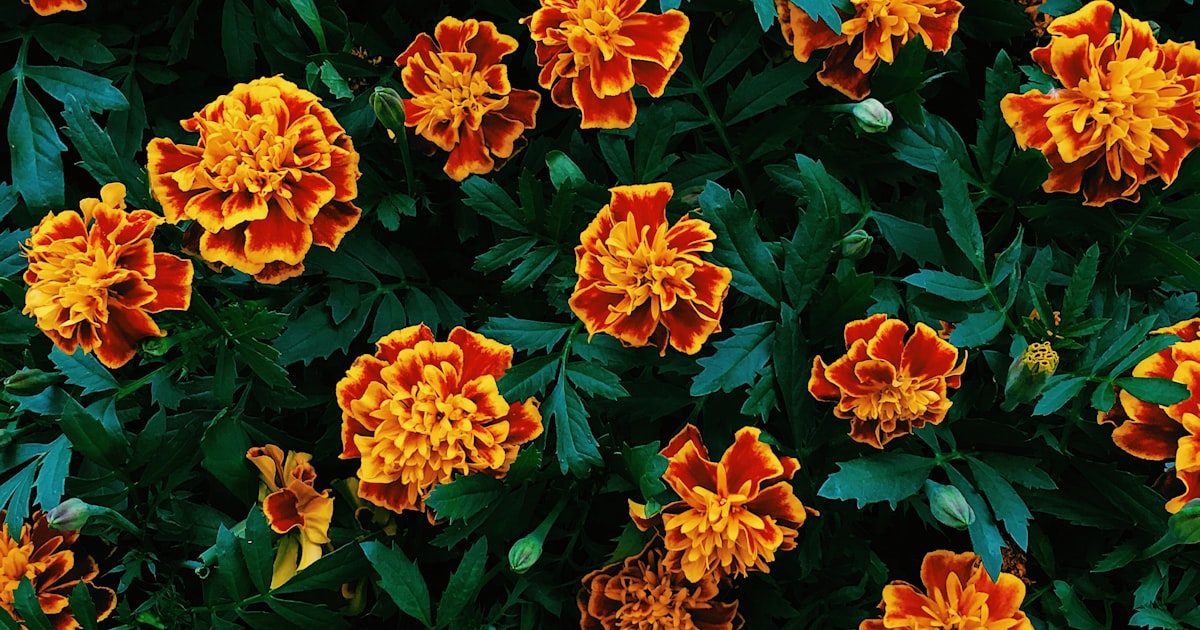
If there is a more generous plant than the nasturtium, we have not found it. Every single part is edible, it grows in the worst soil, it attracts pests away from your prized veggies, and it does all this while looking absolutely stunning. Nasturtiums are the overachieving friend who makes everything look effortless.
Here is your complete guide to growing these remarkable plants.
Quick Facts
| Family | Tropaeolaceae (Nasturtium family) |
| Sun | Full sun to partial shade |
| Water | Low |
| Difficulty | Easy |
| Time to Flower | 6 to 8 weeks from seed |
| Plant Type | Annual (self-seeding) |
The Entirely Edible Plant
This is one of nasturtium’s best party tricks. The entire plant is edible: flowers, leaves, stems, and even the seed pods.
- Flowers come in brilliant shades of orange, red, yellow, and cream. They have a mild, peppery flavour similar to watercress and make gorgeous additions to salads, sandwiches, and platters.
- Leaves are round, lily pad-shaped, and have a stronger peppery kick. Chop them into salads, layer them in sandwiches, or use them as wraps.
- Stems are crunchy and peppery. They work well chopped finely in coleslaws or pickled.
- Seed pods can be pickled in vinegar to make “poor man’s capers,” which are surprisingly delicious and taste remarkably similar to the real thing.
The Classic Trap Crop
Nasturtiums are one of the best known trap crops in companion planting. Here is the idea: aphids absolutely love nasturtiums. They flock to them. By planting nasturtiums near your vegetables, you draw aphids away from your food crops and onto the nasturtiums instead.
You sacrifice the nasturtiums so your veggies stay clean. It is a deliberate strategy, and it works remarkably well.
A few things to keep in mind:
- Plant nasturtiums as a border around your veggie beds, or interplant them throughout.
- Check the nasturtiums regularly. If aphid populations get very heavy, you can hose them off or remove the most affected leaves.
- The aphid colonies on nasturtiums also attract beneficial predators like ladybirds and lacewings, which then stick around to patrol your veggies too.
NATURAL PEST MANAGEMENT
Plan your trap crop strategy
VeggieCrush helps you place companion plants like nasturtiums in the right spots to protect your veggies from common pests naturally.
Download the free appClimbing and Trailing Varieties
Nasturtiums come in two main growth habits:
- Bushy/compact varieties (like Alaska, Empress of India, or Jewel Mix): Stay tidy at about 30 cm tall and wide. Great for borders, pots, and defined garden edges.
- Climbing/trailing varieties (like Tall Mix or Canary Creeper): These can scramble up to 2 to 3 metres if given something to climb. Brilliant for covering fences, trellises, or cascading over retaining walls and hanging baskets.
Both types are equally useful and edible. Choose based on the space you have available and the look you are going for.
Growing Nasturtiums
The Golden Rule: Poor Soil
Here is the counterintuitive thing about nasturtiums. They actually prefer poor soil. If you plant them in rich, fertile, well-composted soil, you will get masses of lush green leaves but very few flowers.
For the best flower production:
- Skip the compost and fertiliser.
- Plant in average to poor soil.
- Do not feed them.
This makes nasturtiums perfect for those neglected corners, rocky edges, and tired spots in the garden where nothing else thrives.
Sowing
Nasturtiums resent transplanting thanks to their sensitive taproot, so direct sowing is the preferred method.
- Sow seeds about 2 cm deep and 20 to 30 cm apart after the last frost.
- Water in gently.
- Germination takes 10 to 14 days.
- Some gardeners soak the seeds overnight before planting to speed up germination, but it is not essential.
Care
- Sun: Full sun for maximum flowering, but partial shade is fine (you will just get more leaves and fewer flowers).
- Water: Low. Nasturtiums are quite drought tolerant once established. Overwatering produces, you guessed it, more leaves and fewer flowers.
- Feeding: None. Seriously. Neglect them and they will reward you with flowers.
Companion Planting Combinations
Nasturtiums are companion planting royalty. Here are their best pairings:
- Brassicas (broccoli, cabbage, kale): Nasturtiums draw cabbage white butterflies and aphids away from your brassicas.
- Tomatoes: The trap crop effect works well here too, pulling aphids and whiteflies away from your tomatoes.
- Cucurbits (pumpkins, cucumbers, zucchini): Nasturtium flowers attract pollinators while the trailing habit provides ground cover that suppresses weeds and retains moisture.
- Fruit trees: Grow trailing nasturtiums as a living ground cover under fruit trees. Beautiful and functional.
- Beans: Classic combination. The nasturtiums attract beneficial insects while the beans fix nitrogen.
COMPANION PLANTING MADE SIMPLE
Find the perfect partners for your veggies
VeggieCrush maps out the best companion combinations so you can use nasturtiums and other beneficial flowers to build a healthier garden.
Download the free appSelf-Seeding
Nasturtiums self-seed readily. The large, round seeds drop to the ground and germinate the following season when conditions are right. In frost-free areas, this can mean year-round nasturtiums popping up all over your garden.
If you want to control where they grow, collect the large seeds as they mature (they turn from green to brown and fall easily from the plant). Store them in a paper bag in a cool, dry spot for sowing next season.
Colourful Ground Cover
Trailing nasturtiums make spectacular living ground cover. Let them ramble through your garden beds, over paths, and along borders. They suppress weeds, retain soil moisture, attract pollinators, and add splashes of vivid colour wherever they go.
In permaculture gardens, nasturtiums are often used as an understory plant beneath taller crops, filling in gaps and creating a layered, productive garden system.
The Bottom Line
Nasturtiums are the ultimate low-effort, high-reward garden plant. They thrive on neglect, every part is edible, they protect your veggies from pests, and they paint your garden in the most vibrant colours imaginable.
Give them poor soil, a bit of sunshine, and the freedom to roam. They will repay you with beauty, flavour, and a healthier garden. It really does not get better than that.
Get the VeggieCrush App
Join thousands of Aussie gardeners growing better with personalised planting reminders, pest alerts, and expert advice.


Free to download on iOS and Android. No credit card required