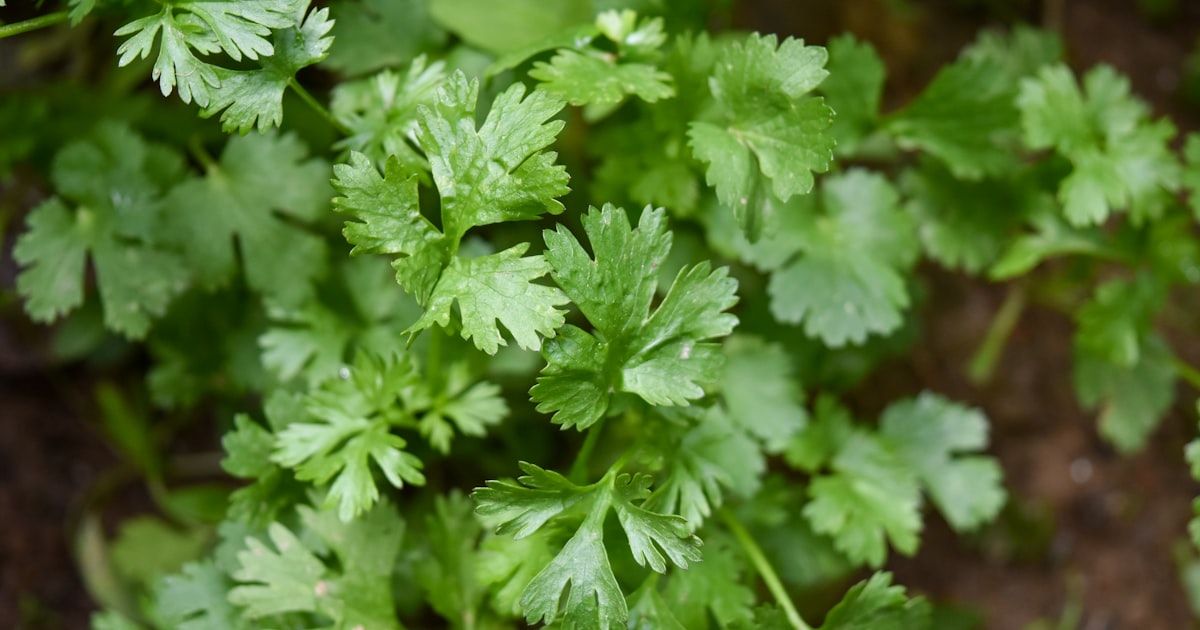
If you want fresh greens on your plate in record time, mustard greens are your new best friend. These peppery, punchy leaves go from seed to salad bowl in as little as four weeks, and they bring a flavour kick that plain old lettuce simply cannot match. Think wasabi meets rocket meets a little bit of attitude.
Quick Facts
| Detail | Info |
|---|---|
| Family | Mustard / Brassica (Brassicaceae) |
| Sun | Full sun to partial shade |
| Water | Regular |
| Difficulty | Easy |
| Time to Harvest | 4 to 6 weeks |
Why Grow Mustard Greens?
Mustard greens are one of the most rewarding crops you can grow, and here is why:
- Ridiculously fast. You will be picking baby leaves in about three to four weeks. Full-sized leaves are ready in six weeks.
- Packed with flavour. That peppery, slightly spicy bite is unlike anything you will find in a supermarket bag of mixed greens.
- Nutritional powerhouse. High in vitamins A, C, and K, plus calcium and iron. These leaves punch well above their weight.
- Dead easy. If you can sprinkle seeds on dirt and water them, you can grow mustard greens.
Varieties to Try
There are more mustard green varieties than most people realise. Here are some favourites for Australian gardens.
‘Red Giant’: Gorgeous purple-red leaves with a strong mustard kick. Looks stunning in the garden and on the plate.
‘Mizuna’: A Japanese variety with feathery, serrated leaves and a milder flavour. Brilliant for salads.
‘Tatsoi’: Compact rosettes of dark green, spoon-shaped leaves. Mild enough for raw eating, beautiful in stir-fries.
‘Green Wave’: Frilly, bright green leaves with a classic mustard bite. Great for cooking.
‘Osaka Purple’: Deep purple leaves that are as ornamental as they are delicious.
How to Grow Mustard Greens
Sowing
Mustard greens are best sown directly where they will grow. Scatter seeds thinly across prepared soil and cover with just a few millimetres of fine soil or compost. Water gently with a watering can (a hose on full blast will wash the tiny seeds away).
When to sow: Mustard greens are cool-season champions. In most of Australia, sow from late February through to May (autumn) and again from July to September (late winter to early spring). In tropical regions, sow during the dry season (May to August).
Spacing: Thin seedlings to about 15 to 20 cm apart for full-sized plants. If you are harvesting baby leaves, you can leave them a bit closer.
Position and Soil
Full sun is great, but mustard greens actually appreciate a bit of afternoon shade, especially as the weather warms up. This makes them perfect for those partly shaded spots that are too dim for tomatoes but too sunny to ignore.
Enrich your soil with compost before planting. Mustard greens are not heavy feeders, but they do appreciate fertile, well-drained soil with plenty of organic matter.
GROW GREENS LIKE A PRO
Never miss your mustard green sowing window
VeggieCrush sends you personalised planting reminders based on your climate zone so your greens hit the soil at the perfect time.
Download the free appWatering
Keep the soil consistently moist but not waterlogged. Mustard greens have shallow roots, so they dry out quickly, especially in containers. A layer of mulch around the plants helps retain moisture and keeps the roots cool.
The Bolting Problem
Here is the one thing you need to know about mustard greens: they bolt (go to seed) fast when the weather heats up. Once temperatures consistently hit the high twenties, your mustard greens will throw up a flower stalk, and the leaves will turn bitter and tough.
The solution? Treat them as a cool-season crop and plan accordingly.
Succession Planting: The Secret to Continuous Harvest
Because mustard greens grow so fast and bolt so readily, the trick is to sow a new batch every two weeks throughout the cool season. By the time one planting starts to bolt, the next batch is ready to pick. This way, you will have fresh, tender leaves from autumn right through to late spring.
Harvesting
You have two main approaches:
Baby leaves (3 to 4 weeks): Pick individual outer leaves when they are about 10 cm long. These are tender, mild, and perfect for salads.
Full-sized leaves (5 to 6 weeks): Let the plants mature and harvest larger leaves. These have more heat and are better suited to cooking.
Always harvest from the outside of the plant, leaving the inner leaves to keep growing. This “cut and come again” method extends your harvest significantly.
In the Kitchen
Mustard greens are incredibly versatile. Here are some ideas:
- Raw in salads: Baby mustard leaves add a peppery punch to any salad mix. Pair them with a sweet dressing to balance the heat.
- Stir-fried: A quick toss in a hot wok with garlic, ginger, and a splash of soy sauce. Done in two minutes.
- Wilted: Treat them like spinach. Wilt in a pan with olive oil and a squeeze of lemon.
- Soups and stews: Add chopped mustard greens to soups in the last few minutes of cooking.
- Pickled: Korean-style mustard greens are absolutely addictive.
Companion Planting
Mustard greens grow well alongside:
- Lettuce and other salad greens: Similar growing conditions.
- Peas and beans: These fix nitrogen in the soil, giving your greens a nutrient boost.
- Onions and garlic: Their strong scent helps deter some pests.
Avoid planting near other brassicas (broccoli, cabbage, cauliflower) to reduce the risk of shared pest and disease problems.
PLAN YOUR COOL-SEASON GARDEN
Pair your mustard greens with the perfect companions
VeggieCrush shows you which plants thrive together so you can make the most of every square metre in your garden.
Download the free appPests and Problems
Mustard greens are pretty tough, but keep an eye out for:
- Aphids: Check the undersides of leaves regularly. A blast of water or a spray of diluted neem oil sorts them out.
- Caterpillars: White cabbage moths love brassicas. Use fine mesh netting to keep them off, or pick caterpillars off by hand.
- Flea beetles: Tiny holes in leaves are the telltale sign. Row cover is the best prevention.
- Slugs and snails: They love tender young seedlings. Beer traps or iron-based pellets work well.
The Bottom Line
Mustard greens are one of the fastest, easiest, and most flavourful things you can grow in your garden. They thrive in the cool months when a lot of other crops are struggling, they barely need any space, and they bring a seriously tasty kick to your kitchen. If you have never grown them before, grab a packet of mixed mustard green seeds and scatter them in a garden bed this autumn. Four weeks later, you will be wondering why you did not start sooner.
Get the VeggieCrush App
Join thousands of Aussie gardeners growing better with personalised planting reminders, pest alerts, and expert advice.


Free to download on iOS and Android. No credit card required