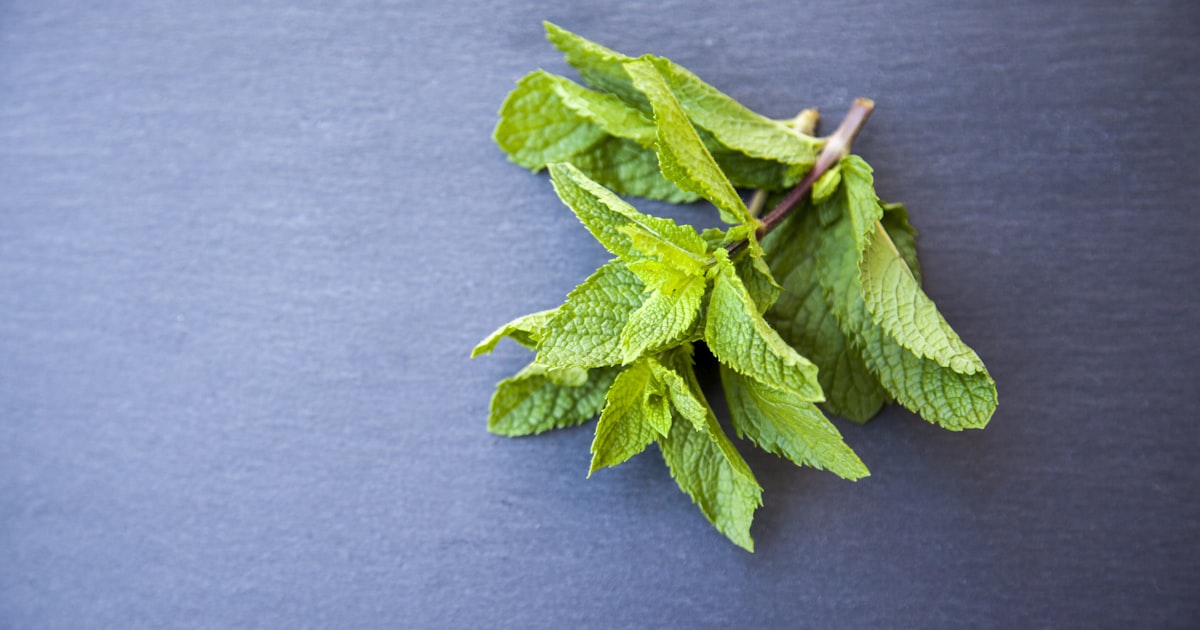
Mint is the overachiever of the herb world. Give it a bit of water and a patch of soil, and it will reward you with more fragrant leaves than you could ever use. It is gorgeous, useful, and ridiculously easy to grow. There is just one small thing you need to know before you plant it.
It will try to take over your entire garden.
But do not worry. We have got you covered.
Quick Facts
| Family | Lamiaceae (Mint family) |
| Sun | Partial shade to full sun |
| Water | Regular |
| Difficulty | Easy |
| Time to Harvest | 6 to 8 weeks |
| Plant Size | 30 to 60cm tall (and sideways, endlessly) |
| Spacing | 30cm apart (in a contained space!) |
The Big Warning: Always Grow Mint in Pots
We cannot stress this enough. Mint spreads aggressively through underground runners (rhizomes). Plant it directly in a garden bed and within a season it will pop up between your pavers, invade the neighbours’ yard, and generally act like it owns the place.
The solution is simple: grow it in a pot.
A pot at least 30cm wide works well. You can sit the pot on a paved area, on a balcony, or even sink it into a garden bed (pot and all) to keep the roots contained while making it look like part of the patch.
Mint Varieties Worth Growing
There are hundreds of mint varieties, but here are the most popular and useful ones for Australian gardens.
Spearmint
The classic. Bright, fresh flavour that goes with just about everything. This is the mint you want for cooking, drinks, and salads. It is also the most widely available at nurseries and supermarkets.
Peppermint
Stronger, more intense flavour with a cooling sensation. Perfect for teas, desserts, and that legendary peppermint slice. Slightly less vigorous than spearmint, which is saying something.
Chocolate Mint
Yes, it really does smell like chocolate. The leaves have a subtle chocolate undertone that makes them brilliant in desserts, smoothies, and hot chocolate. Dark stems and a gorgeous fragrance. A fun one to grow with kids.
Apple Mint
Soft, fuzzy leaves with a gentle apple-mint flavour. Less intense than spearmint, making it lovely in fruit salads and cold drinks. The fuzzy texture means it is less appealing to some pests.
Vietnamese Mint (Laksa Leaf)
Technically not a true mint (it is from a different family), but it is commonly grouped with mints and grows the same way. Essential for laksa, rice paper rolls, and Southeast Asian cooking. Thrives in warm, humid conditions.
HERB GARDEN GOALS
Build your dream herb collection
VeggieCrush helps you plan your herb garden and know exactly when to plant each variety in your climate zone.
Download the free appHow to Grow Mint
Starting Out
The easiest way to start mint is from a cutting or division, not from seed. Mint seeds are slow, unreliable, and the resulting plants can vary in flavour.
Instead, grab a small pot from the nursery, take a cutting from a friend’s plant, or even root a sprig from the supermarket.
To root a cutting:
- Snip a 10cm stem just below a leaf node.
- Strip the leaves from the bottom half.
- Pop it in a glass of water on the kitchen windowsill.
- Roots will appear in about a week.
- Once roots are 3 to 5cm long, plant into a pot with good quality potting mix.
It really is that simple.
Soil
Mint is not fussy about soil, but it does best in rich, moist potting mix. Add a handful of compost when planting and it will be happy.
Position
Mint actually prefers partial shade over full sun, which makes it perfect for spots that are too shady for most other herbs. It will grow in full sun too, but you will need to water more often, and the leaves can scorch in extreme heat.
Watering
Keep the soil consistently moist. Mint is one of the few herbs that actually likes regular water. Do not let it dry out completely, as the leaves will wilt and turn crispy. In summer, a pot of mint might need watering daily.
Feeding
A monthly feed with liquid seaweed or all-purpose organic fertiliser keeps mint lush and productive. If the leaves start looking pale or the growth slows down, it is telling you it is hungry.
Harvesting
The more you pick mint, the bushier and more productive it becomes. Regular harvesting encourages branching and prevents the plant from getting leggy.
How to harvest:
- Snip stems just above a pair of leaves. New growth will sprout from that point.
- Take up to a third of the plant at a time.
- Harvest in the morning for the strongest flavour (essential oils are most concentrated before the heat of the day).
Using Mint in the Kitchen
Mint is one of the most versatile kitchen herbs going. Here are some ideas:
- Drinks: Mojitos, mint juleps, mint lemonade, iced tea, or simply hot water with fresh mint leaves
- Salads: Tabbouleh, Vietnamese noodle salads, fruit salads
- Cooking: Mint sauce for lamb, added to peas, stirred into yoghurt for a raita
- Desserts: Chocolate mint brownies, mint ice cream, garnish for pavlova
- Preserving: Mint jelly, mint syrup for cocktails, dried mint for tea
FROM GARDEN TO PLATE
Grow what you love to eat
VeggieCrush matches your favourite foods with the herbs and veggies you can grow at home. Fresh mint mojito, anyone?
Download the free appCompanion Planting
Mint is a great companion in the garden (as long as it is contained in its pot). Its strong scent deters many common pests.
Mint helps repel:
- Aphids
- Cabbage moths
- Flea beetles
- Ants (to a degree)
Place potted mint near your brassicas (cabbage, broccoli, kale) or around outdoor entertaining areas to help keep bugs at bay. Just remember, the pest repellent effect works through the plant’s scent, so the mint needs to be close by.
Refreshing a Tired Mint Plant
After a year or two, potted mint can become root-bound and tired. The growth slows down and the flavour weakens. When this happens:
- Tip the plant out of its pot.
- Pull apart the root ball into 3 or 4 sections.
- Replant one section in fresh potting mix in the same pot (or a new one).
- Give the spare divisions to friends, neighbours, or the compost bin.
This refreshes the plant and gives you mint for years to come, essentially forever.
Common Problems
Rust: Orange spots on the undersides of leaves. Remove affected leaves and improve air circulation. If it is bad, start a new plant from a healthy cutting.
Powdery mildew: White coating on leaves, usually in humid weather. Improve airflow and avoid overhead watering.
Leggy growth: Not enough light or not enough harvesting. Move to a brighter spot and pick more often.
Wilting: Usually means it is thirsty. Water deeply and it should perk up within hours.
The Bottom Line
Mint is possibly the easiest herb you will ever grow. It is beautiful, fragrant, useful in the kitchen, and practically indestructible. The only rule: keep it in a pot. Follow that one guideline and you will have a lifelong supply of fresh mint with almost zero effort. Not a bad deal at all.
Get the VeggieCrush App
Join thousands of Aussie gardeners growing better with personalised planting reminders, pest alerts, and expert advice.


Free to download on iOS and Android. No credit card required