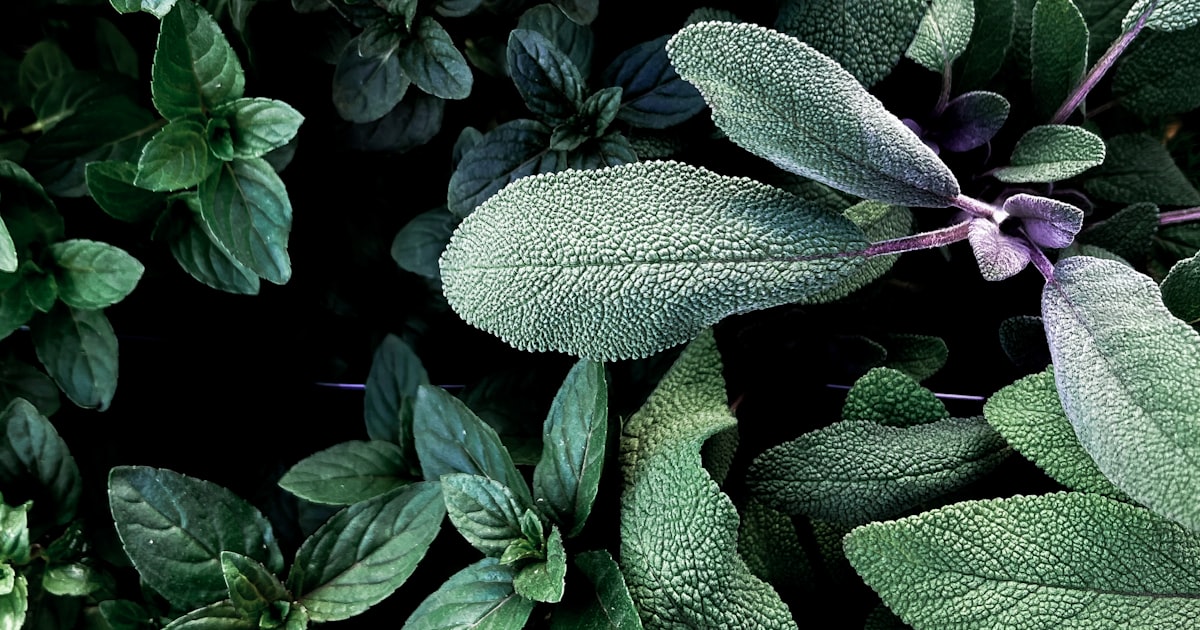
If oregano is the bold, loud cousin who dominates every conversation, marjoram is the quieter one with a gentler personality and a surprisingly deep flavour. Often overlooked in favour of its more famous relative, sweet marjoram deserves a spot in every herb garden. It is easy to grow, versatile in the kitchen, and has a soft, sweet warmth that lifts dishes without overpowering them.
Quick Facts
| Family | Lamiaceae (Mint family) |
| Sun | Full sun (6+ hours) |
| Water | Low to moderate |
| Difficulty | Easy |
| Time to Harvest | 8 to 12 weeks |
| Soil | Well-drained, slightly alkaline |
| Hardiness | Frost tender |
Marjoram vs Oregano: What Is the Difference?
This is the question everyone asks, and the answer is: they are closely related but definitely not the same.
Both belong to the Origanum genus. Oregano (Origanum vulgare) has a bold, peppery, slightly bitter flavour that holds up to long cooking and strong ingredients. Think pizza sauce and Greek salads.
Sweet marjoram (Origanum majorana) is milder, sweeter, and more delicate. It has a floral, almost citrusy warmth that works beautifully in dishes where you want herb flavour without the punch. Think creamy sauces, egg dishes, and roast chicken.
The plants look quite similar, but marjoram tends to be smaller, with softer leaves and a more compact growth habit. It is also less cold hardy than oregano.
Growing Sweet Marjoram
Marjoram is a Mediterranean herb that loves warmth, sunshine, and well-drained soil. In most of Australia, it will grow happily year round in frost-free areas. In cooler regions, treat it as an annual or grow it in a pot that you can protect over winter.
Sun: Full sun is ideal, at least six hours a day. Marjoram can tolerate a little afternoon shade in hot climates, but too much shade makes it leggy and weak-flavoured.
Soil: Well-drained soil is essential. If you have heavy clay, add sand and compost to improve drainage, or grow marjoram in raised beds or containers. A slightly alkaline pH suits it perfectly.
Water: Marjoram needs less water than you might think. Water when the top few centimetres of soil are dry. Overwatering is the fastest way to kill this herb. Let the soil dry out between waterings and never leave it sitting in soggy ground.
Feeding: A light application of compost or a gentle organic fertiliser in spring is all marjoram needs. Too much nitrogen produces lots of leafy growth but reduces the essential oil content that gives marjoram its flavour.
MEDITERRANEAN HERB GARDEN
Grow a complete collection of Mediterranean herbs
VeggieCrush helps you plan herb combinations that thrive together, with care reminders tailored to your climate zone.
Download the free appContainer Growing
Marjoram is an excellent container plant. Its compact size and tidy growth habit make it perfect for pots on windowsills, balconies, and kitchen benches.
Use a pot with good drainage holes and a free-draining potting mix. Terracotta pots work brilliantly because they allow the soil to dry out between waterings. A pot about 20 centimetres in diameter is plenty for a single plant.
Marjoram grown in containers near the kitchen door is wonderfully convenient. Just snip a few sprigs whenever you are cooking.
Planting and Propagation
From seed: Marjoram seeds are tiny and can be slow to germinate (up to two weeks). Sow them on the surface of a seed-raising mix, press gently, and mist with water. Do not cover them, as they need light to germinate. Keep the soil moist and warm. Thin seedlings once they have a few sets of true leaves.
From cuttings: Take 10 centimetre softwood cuttings in spring or early summer. Strip the lower leaves, dip in rooting hormone, and plant in a sandy propagation mix. Keep moist and warm. Roots should form in three to four weeks.
By division: Established plants can be divided in spring. Gently lift the plant, tease the roots apart into smaller clumps, and replant immediately.
Companion Planting
Marjoram is a lovely companion in the vegetable garden. It pairs well with other Mediterranean herbs like thyme, sage, and rosemary, since they all enjoy the same growing conditions.
In the veggie patch, marjoram is said to improve the flavour of vegetables growing nearby, particularly capsicum and tomatoes. Its flowers also attract beneficial insects like hoverflies and parasitic wasps, which help control pest populations.
Harvesting
The best time to harvest marjoram is just before it flowers, when the essential oil content in the leaves is at its highest. Cut stems about 5 centimetres above the base of the plant, leaving enough growth for the plant to recover and produce more.
You can harvest small amounts of marjoram any time you need it. Regular picking actually encourages bushier growth and prevents the plant from becoming leggy.
Drying Marjoram
Marjoram dries exceptionally well and retains much of its flavour, making it one of the best herbs for preserving.
Cut long stems in the morning after the dew has dried. Tie them in small bundles and hang upside down in a warm, dry, well-ventilated spot out of direct sunlight. Once completely dry (about one to two weeks), strip the leaves from the stems and store them in an airtight jar.
Dried marjoram is a key ingredient in herbes de Provence, along with thyme, rosemary, and savory. Make your own blend with herbs from your garden for a beautiful homemade gift.
HARVEST AT THE PERFECT TIME
Never miss the ideal picking window
VeggieCrush tracks your herbs and sends reminders when they are ready to harvest for maximum flavour.
Download the free appCooking with Marjoram
Marjoram’s mild, sweet flavour makes it incredibly versatile. Here are some favourite uses:
- Egg dishes: Scrambled eggs, omelettes, and frittatas love a sprinkle of fresh marjoram.
- Roast chicken: Tuck sprigs of marjoram under the skin before roasting.
- Soups and stews: Add fresh marjoram in the last few minutes of cooking to preserve its delicate flavour.
- Salad dressings: Chop finely and whisk into vinaigrettes.
- Pasta sauces: Stir fresh leaves into creamy pasta sauces just before serving.
- Herb butter: Blend chopped marjoram into softened butter for a delicious spread.
Unlike hardier herbs, marjoram’s flavour is best when added towards the end of cooking. Long, high-heat cooking can destroy its delicate oils.
A Gentler Spreader
One of the nice things about marjoram compared to some of its mint-family relatives is that it is not an aggressive spreader. Unlike mint (which will take over your entire garden if you let it) or even oregano (which can be quite vigorous), marjoram stays relatively compact and well-behaved. You will not need to worry about it escaping its boundaries.
The Bottom Line
Marjoram is the quiet achiever of the herb garden. It does not demand attention, does not take over, and does not need much fuss. But what it gives you in return is a beautifully nuanced flavour that enhances everything it touches. If you already grow oregano, add marjoram to the mix. You will quickly discover why this gentler cousin has been cherished by cooks for centuries.
Get the VeggieCrush App
Join thousands of Aussie gardeners growing better with personalised planting reminders, pest alerts, and expert advice.


Free to download on iOS and Android. No credit card required