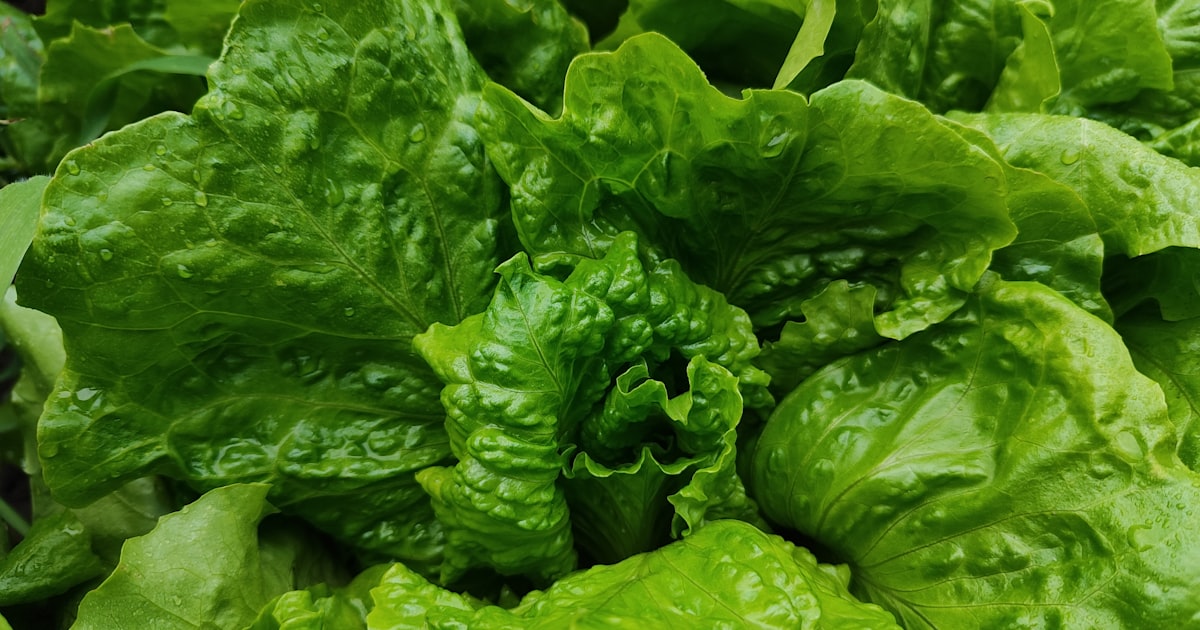
If there is one plant that makes you feel like a proper gardener almost immediately, it is lettuce. Fast to grow, easy to care for, and incredibly satisfying to harvest straight into your salad bowl. Loose-leaf lettuce is the perfect starter plant, and in Australian conditions, it can give you fresh greens for months on end.
Quick Facts
| Family | Daisy (Asteraceae) |
| Difficulty | Easy |
| Sun | Full sun to partial shade |
| Water | Regular, consistent moisture |
| Time to Harvest | 6 to 8 weeks |
| Best Containers | Yes, excellent in pots |
| Companions | Carrots, radishes, spring onions, herbs |
Why Loose-Leaf Lettuce?
There are loads of lettuce types out there: iceberg, cos (romaine), butterhead, and loose-leaf. For beginners, loose-leaf varieties are the way to go. Here is why.
They do not need to form a head. Head lettuces like iceberg need everything to go right to form that tight ball of leaves. Loose-leaf varieties just keep pumping out individual leaves. Less fuss, more food.
Cut and come again. This is the game changer. Instead of pulling out the whole plant when you want a salad, you simply snip the outer leaves with scissors and leave the centre to keep growing. One planting can give you harvests for weeks.
They are fast. You can be eating your first leaves in as little as four to six weeks after planting. That kind of quick turnaround keeps you motivated.
Loads of variety. Green oakleaf, red oakleaf, lollo rosso, coral, mignonette. Each one looks different and adds colour and texture to your salads.
When to Plant by Climate Zone
Lettuce is a cool-season crop that dislikes extreme heat. Timing your planting right makes all the difference.
| Climate Zone | Best Planting Time |
|---|---|
| Tropical | April to August (dry season) |
| Subtropical | March to September |
| Arid | March to May, August to October |
| Temperate | February to May, August to November |
| Cool | September to April |
In warmer areas, lettuce will bolt (shoot up and flower) quickly once temperatures climb above 25 to 28 degrees consistently. The leaves turn bitter once this happens, so timing is key.
How to Plant
From Seed
- Fill a pot or seed tray with good quality seed-raising mix or potting mix.
- Scatter seeds thinly across the surface. Lettuce seeds are tiny.
- Press them gently into the surface but do not bury them deep. They need light to germinate, so just a light dusting of mix on top is plenty.
- Water gently with a spray bottle or fine mist.
- Keep moist and in a bright spot. Seeds should sprout in 7 to 10 days.
- Once seedlings have a couple of true leaves, thin them out or transplant to their final position, spacing about 20cm apart.
From Seedlings
Even easier. Buy a punnet of lettuce seedlings from your local nursery or hardware store and plant them directly into your container or garden bed. Space them about 20 to 25cm apart.
PLANTING LETTUCE?
Get a personalised planting schedule
VeggieCrush tells you the perfect time to plant lettuce in your specific location, with reminders for watering, feeding, and harvesting.
Download the free appOngoing Care
Watering
Lettuce is about 95% water, so it should come as no surprise that it likes consistent moisture. Water regularly, especially during warm weather. Aim to keep the soil evenly moist but not waterlogged.
In containers, check the soil daily during summer. Pots dry out much faster than garden beds.
Feeding
Lettuce is not a heavy feeder, but a light application of liquid fertiliser (like seaweed solution or fish emulsion) every couple of weeks will keep it producing well. Do not overdo the nitrogen or you will get lush growth that attracts aphids.
Mulching
A thin layer of sugar cane mulch or straw around your lettuce plants helps keep the soil cool and moist. This is especially important in warmer areas where soil temperature can cause bolting.
The Cut and Come Again Technique
This is the single most useful lettuce trick you will ever learn.
- Wait until your plant has at least 6 to 8 leaves.
- Using clean scissors or a sharp knife, cut the outer leaves about 2 to 3cm above the base of the plant.
- Leave the inner growth point and the small central leaves alone.
- The plant will keep producing new leaves from the centre.
- Repeat every week or so.
A single loose-leaf lettuce plant can give you 3 to 5 harvests this way before it eventually runs out of steam or bolts.
Common Problems
Bolting
The number one lettuce complaint. When temperatures rise, lettuce sends up a tall flower stalk and the leaves turn bitter. Prevention is the best cure: plant at the right time, provide afternoon shade in warm areas, and keep the soil cool with mulch.
If a plant bolts, pull it out and compost it. There is no saving it once it has started.
Aphids
Small green or black insects clustering on leaves and stems. Blast them off with a strong jet of water or spray with a mix of water and a tiny squirt of dishwashing liquid. Encourage ladybirds in your garden; they eat aphids like popcorn.
Slugs and Snails
These love lettuce as much as you do. They feed at night and leave silvery trails. Try beer traps (a shallow dish of beer sunk into the soil), crushed eggshells around the base of plants, or go out with a torch at night and relocate them.
TROUBLE IN THE GARDEN?
Diagnose plant problems quickly
VeggieCrush helps you identify common pests and diseases with simple troubleshooting guides for every plant in your garden.
Download the free appContainer Growing
Lettuce is one of the best vegetables for container growing. Here is what you need.
- A pot at least 20cm deep and wide. Wider is better so you can fit several plants.
- Quality potting mix with good drainage.
- A spot with morning sun and, ideally, afternoon shade.
- Consistent watering. Containers dry out fast.
A single wide, shallow pot (like a 40cm wide bowl) can comfortably hold 4 to 5 loose-leaf lettuce plants, giving you a rotating salad supply right on your balcony.
Succession Planting
Here is the key to never running out of lettuce: plant a new batch every two to three weeks. While your first planting is being harvested, the next one is growing. By the time the first batch runs out, the second is ready to go. Simple, but it works beautifully.
Lettuce is the plant that turns beginners into gardeners. It is quick, it is easy, and there is nothing quite like a salad made entirely from leaves you grew yourself. Give it a go. You will be hooked.
Get the VeggieCrush App
Join thousands of Aussie gardeners growing better with personalised planting reminders, pest alerts, and expert advice.


Free to download on iOS and Android. No credit card required