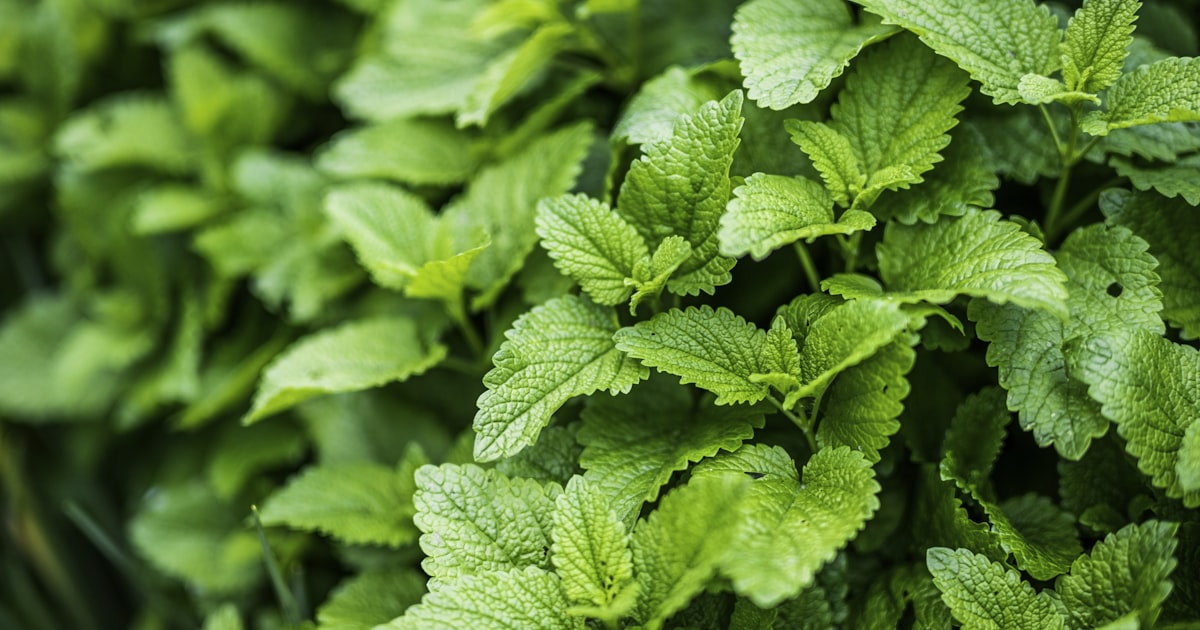
Lemon balm is one of those herbs that does everything. It makes a beautiful calming tea, adds a bright lemon flavour to salads and desserts, repels insects, and grows with such enthusiasm that your main challenge will be stopping it from taking over the garden. If you like the idea of a herb that basically looks after itself, lemon balm is your plant.
Quick Facts
| Family | Lamiaceae (Mint family) |
| Sun | Partial shade to full sun |
| Water | Moderate |
| Difficulty | Easy |
| Time to Harvest | 8 to 10 weeks |
| Soil | Any reasonable garden soil |
| Hardiness | Very frost tolerant |
Meet the Mint Family Overachiever
Lemon balm (Melissa officinalis) is closely related to mint, and it behaves a lot like mint too. That means vigorous growth, a spreading habit via underground runners, and the ability to colonise every spare centimetre of your garden bed if left unchecked.
The leaves look similar to mint but are slightly more textured and crinkly, with a gorgeous lemon scent when you crush them. The flavour is milder and more citrusy than mint, with none of that menthol coolness.
Growing Lemon Balm
One of the best things about lemon balm is how undemanding it is. This herb thrives in conditions that would make fussier plants sulk.
Sun: Lemon balm is unusual among herbs because it actually performs well in partial shade. Full sun is fine too, especially in cooler climates, but in hot areas (think Queensland and northern NSW), it appreciates afternoon shade. In deep shade, it becomes leggy and less flavourful.
Soil: Almost any soil will do. Lemon balm is not fussy about pH, drainage, or fertility. Obviously, better soil produces better plants, but lemon balm will grow in conditions that would discourage most herbs.
Water: Moderate and regular watering keeps lemon balm happy. It handles dry spells better than you might expect but produces the best foliage with consistent moisture. Mulch around the base to retain moisture and keep the roots cool.
Feeding: A light feed with compost or a balanced organic fertiliser in spring is plenty. Lemon balm does not need much encouragement to grow.
Container Growing
Growing lemon balm in a pot is honestly the smartest approach for most gardeners. It contains the spread, looks attractive, and you can place it right next to your back door for easy harvesting.
Use a pot at least 25 centimetres in diameter with good drainage holes. Standard potting mix works perfectly. Place the pot in a spot that gets morning sun and afternoon shade for the best results.
EASY HERBS, BIG REWARDS
Start your herb garden with plants that practically grow themselves
VeggieCrush helps you choose the right herbs for your space and sends care reminders so nothing gets forgotten.
Download the free appPropagation
Lemon balm propagates so easily it is almost comical.
Division: The simplest method. In spring or autumn, dig up a clump, pull it apart into smaller sections (each with some roots), and replant. Water in well. Done.
Seed: Lemon balm self-seeds prolifically. You will often find volunteer seedlings popping up around your garden. If you want to start from scratch, sow seeds on the surface of moist seed-raising mix (they need light to germinate) and keep warm. Germination can be slow, sometimes up to two weeks.
Cuttings: Softwood cuttings taken in spring root easily in a glass of water or in moist propagation mix.
Given how easily it spreads, you will probably never need to deliberately propagate lemon balm. The challenge is more about managing how much of it you have.
Harvesting
You can start harvesting lemon balm as soon as the plant is well established, usually about 8 to 10 weeks after planting. Simply snip off sprigs as you need them. Regular harvesting encourages bushy growth and prevents the plant from getting leggy.
For the strongest flavour, harvest in the morning after the dew has dried. The essential oils are most concentrated before the heat of the day.
If you want a big harvest (for drying or making a batch of tea), cut the plant back by about one third. It will regrow quickly.
Uses for Lemon Balm
Calming Tea
This is the most popular use for lemon balm, and for good reason. A cup of lemon balm tea is soothing, mildly citrusy, and caffeine-free. Simply steep a handful of fresh leaves (or a tablespoon of dried) in boiling water for five to ten minutes. Add honey if you like.
Lemon balm has been used for centuries as a calming herb, and modern research supports its mild anxiolytic (anxiety-reducing) properties. A cup before bed is a lovely way to wind down.
Cooking
Fresh lemon balm leaves are a wonderful addition to:
- Salads: Tear leaves and toss through green salads or fruit salads.
- Pesto: Blend lemon balm with basil, garlic, pine nuts, and parmesan for a unique twist on traditional pesto.
- Desserts: Chop finely and add to sorbets, fruit salads, and lemon curd.
- Drinks: Muddle leaves into cocktails, lemonade, or sparkling water.
- Fish: Scatter over grilled or baked fish just before serving.
Natural Insect Repellent
Lemon balm contains citronellal, the same compound found in citronella. Crushing the leaves and rubbing them on your skin provides some short-term insect repellent effect. It is not as strong as commercial repellents, but it is natural and smells lovely.
Companion Planting
Lemon balm is a great companion plant for the vegetable garden. Its flowers attract bees and other pollinators, and its scent is said to deter some pests. Plant it near tomatoes, brassicas, and fruit trees (in a container, of course, unless you want it spreading through your veggie beds).
COMPANION PLANTING SMARTS
Pair lemon balm with the right garden partners
VeggieCrush shows you which plants grow best together and helps you design a garden that naturally deters pests.
Download the free appSurviving Neglect
Let us be honest. Sometimes life gets busy and the garden gets neglected. The good news is that lemon balm could not care less. It survives drought, shade, poor soil, and being completely ignored for weeks. It dies back in cold winters in some areas but comes roaring back from the roots in spring.
If your lemon balm gets tatty or overgrown, simply cut the whole plant back to about 5 centimetres above the ground. Fresh, flavourful new growth will appear within a couple of weeks.
Drying Lemon Balm
To dry lemon balm, cut stems on a dry morning and tie them in small bunches. Hang them upside down in a warm, dry, well-ventilated spot out of direct sunlight. Once completely dry (about a week), strip the leaves and store in an airtight jar.
Dried lemon balm loses some of its lemon punch compared to fresh, but it still makes a lovely tea and can be used in herbal blends.
The Bottom Line
Lemon balm is the herb that keeps on giving, whether you want it to or not. Grow it in a pot, harvest it often, and enjoy its bright, lemony flavour in teas, salads, and cooking. It is one of the most forgiving, useful, and cheerful herbs you can grow. Just do yourself a favour and keep it contained.
Get the VeggieCrush App
Join thousands of Aussie gardeners growing better with personalised planting reminders, pest alerts, and expert advice.


Free to download on iOS and Android. No credit card required