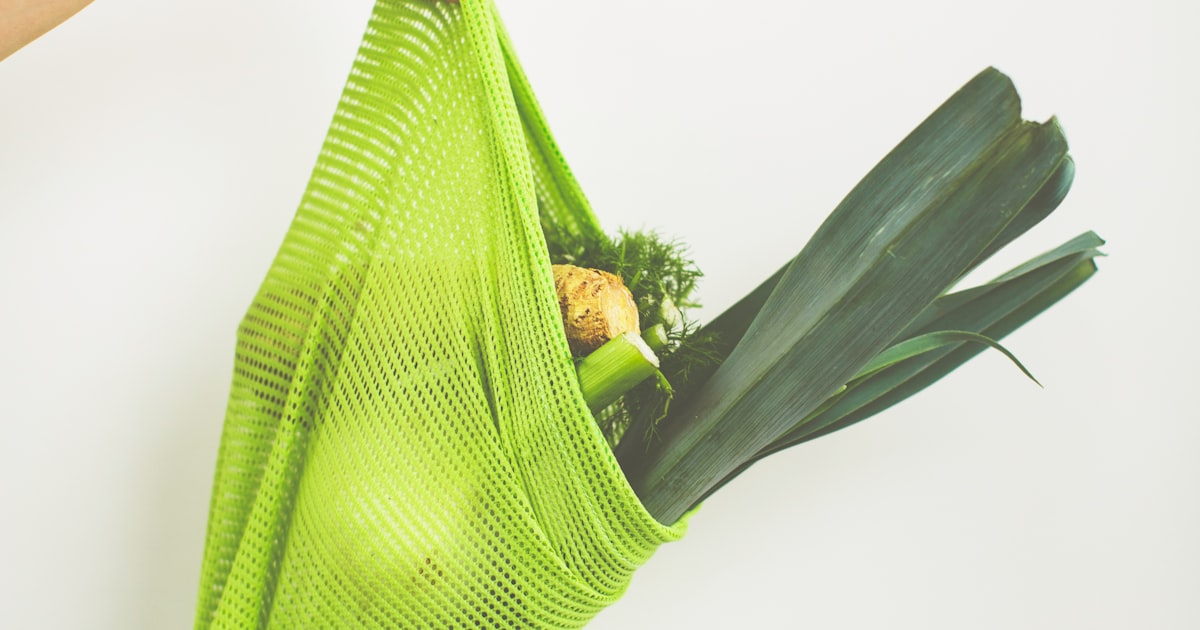
If you have ever sliced into a perfectly blanched leek from your own garden, you know the feeling. That buttery, mild sweetness is nothing like the sad, rubbery tubes you find at the supermarket. Leeks are one of those vegetables that truly reward the patient gardener, and lucky for us, they absolutely love Australian winters.
Let’s get into everything you need to know to grow gorgeous leeks at home.
Quick Facts
| Detail | Info |
|---|---|
| Family | Allium (Onion family) |
| Sun | Full sun |
| Water | Regular, consistent |
| Difficulty | Moderate |
| Time to Harvest | 16 to 22 weeks |
| Best Planting Time | Autumn to early winter |
Why Grow Leeks?
Leeks are the gentle giant of the allium family. Where onions and garlic punch you in the face with flavour, leeks whisper. That mild, slightly sweet taste makes them incredibly versatile in the kitchen. Think creamy leek and potato soup, leek gratin, or simply sauteed with butter and a pinch of salt.
They are also fantastic garden citizens. They take up minimal horizontal space (they grow straight up), they look elegant with those blue-green leaves fanning out, and they are surprisingly low maintenance once established.
Starting Leeks: Seed vs Seedlings
You have two options here, and both work well.
From seed: Start seeds indoors or in a seed tray about 8 to 10 weeks before you plan to transplant. Leek seeds are tiny, so sow them thinly and keep the soil moist. They look like little blades of grass at first. Once they are about pencil thickness, they are ready to move.
From seedlings: If patience is not your strong suit (no judgement), grab seedlings from your local nursery. This shaves weeks off your timeline and is perfectly fine.
The Blanching Technique
This is the secret to those beautiful white stems you see in shops. Blanching simply means keeping the lower part of the leek away from sunlight so it stays white and tender.
There are a few ways to do this:
- Deep planting: As mentioned above, plant seedlings in deep holes. This is the easiest method.
- Hilling up: As the leek grows, gradually mound soil up around the stem. Do this every few weeks, adding about 5cm of soil each time.
- Cardboard collars: Wrap a piece of cardboard or newspaper around the lower stem to block light. A bit fiddly, but it works.
The more stem you blanch, the more of that tender white goodness you get to eat. Aim for at least 15 to 20cm of blanched stem.
GROW WITH CONFIDENCE
Track your leek's long growing season
VeggieCrush sends you reminders to hill up soil and tracks your leeks from planting through to that glorious winter harvest.
Download the free appSpacing and Planting
Space leeks about 15cm apart in rows that are 30cm apart. They do not need a lot of room, which makes them brilliant for smaller gardens. You can even tuck them into gaps between other crops.
If you are planting in a raised bed, you can go a little tighter at 10cm spacing, especially if you are happy to harvest some early as baby leeks (which are delicious, by the way).
Watering and Feeding
Leeks like consistent moisture. They are not as thirsty as celery, but they do not appreciate drying out either. A good deep watering twice a week should do it, adjusting for rainfall of course.
Feed them every 3 to 4 weeks with a balanced liquid fertiliser or side dress with compost. They are moderate feeders, so nothing too intense is needed.
Companion Planting
Leeks play nicely with quite a few garden friends:
- Carrots: A classic pairing. Leeks repel carrot fly, and carrots repel leek moth. Win, win.
- Celery: Both enjoy similar conditions and do not compete.
- Strawberries: Leeks can help deter some pests that bother strawberries.
- Brassicas: Leeks are good neighbours for broccoli, cabbage, and kale.
Avoid planting near: Beans and peas. Alliums and legumes do not get along.
Dealing with Rust
The number one issue you will likely face with leeks is rust. It shows up as small orange or yellow pustules on the leaves. It is a fungal disease and it loves cool, damp conditions, which is exactly when leeks are growing.
Prevention tips:
- Space plants well for good airflow
- Avoid overhead watering (water at the base)
- Remove any affected outer leaves promptly
- Do not overcrowd your leek patch
- Rotate your alliums each year
Harvesting
This is where patience pays off. Leeks take 16 to 22 weeks, sometimes longer depending on conditions. You can start harvesting once the stems are about 2 to 3cm in diameter.
To harvest, use a garden fork to loosen the soil around the leek, then gently pull it out. Do not just yank them, or you will snap the stem and end up disappointed.
The beauty of leeks is that they are very forgiving about timing. They will happily sit in the ground for weeks after they are ready, so you can harvest as you need them. They are like a living pantry.
WINTER HARVEST PLANNING
Know exactly when your leeks are ready
VeggieCrush calculates harvest dates based on your planting time and local climate, so you never have to guess.
Download the free appLeek and Potato Soup Season
Let’s be honest, half the reason to grow leeks is for soup. There is something deeply satisfying about making a pot of leek and potato soup with leeks you grew yourself. Slice three or four leeks, saute in butter, add diced potatoes, cover with stock, simmer until soft, then blitz. Season with salt, pepper, and a little nutmeg. That is winter comfort sorted.
The Bottom Line
Leeks are not a quick fix. They take their sweet time, and they need a bit of attention with the blanching process. But they are genuinely low maintenance day to day, they look beautiful in the garden, and they reward you with a flavour that shop-bought leeks simply cannot match.
If you have got a spare patch of garden heading into autumn, pop some leeks in. Your future winter self will thank you.
Get the VeggieCrush App
Join thousands of Aussie gardeners growing better with personalised planting reminders, pest alerts, and expert advice.


Free to download on iOS and Android. No credit card required