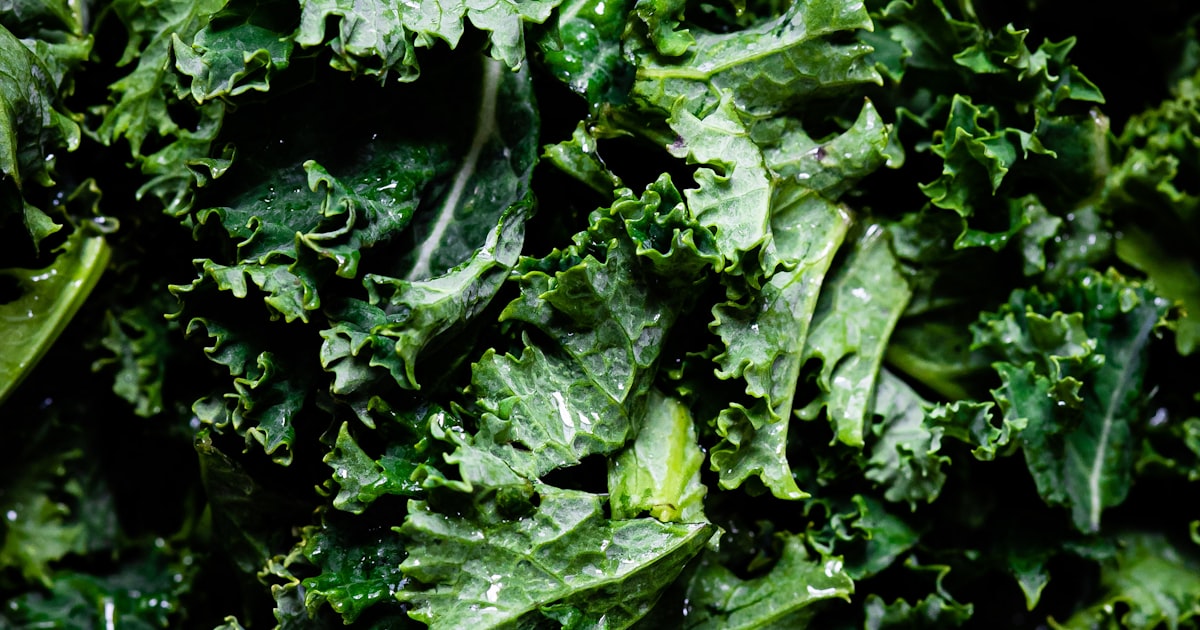
Kale had a moment. It went from being that weird, tough green your grandma grew to the darling of every health food cafe, smoothie bar, and Instagram feed. And honestly? The hype is justified. Kale is one of the most nutritious vegetables you can grow, it’s remarkably easy in the garden, and it keeps producing for months. Let’s break down how to grow it, protect it, and actually enjoy eating it.
Quick Facts
| Detail | Info |
|---|---|
| Family | Mustard/Brassica (Brassicaceae) |
| Sun | Full sun to partial shade |
| Water | Regular |
| Difficulty | Easy |
| Time to Harvest | 8 to 12 weeks |
Choosing Your Variety
Not all kale is created equal. There are several types, and each has its own personality.
Curly kale is the classic variety with tightly ruffled, dark green leaves. It’s hardy, productive, and the one you’ll see most often at the market. The texture can be quite tough when raw, which is why massaging (yes, really) is recommended for salads.
Tuscan kale (Lacinato or Cavolo Nero) has long, narrow, bumpy leaves that are dark blue-green. It’s the most popular variety for cooking. The flavour is slightly sweeter and less bitter than curly kale, and the texture is more tender. This is the one Italian grandmothers use in soups and pasta.
Red Russian kale is the looker of the family. It has grey-green leaves with purple stems and veins, and the flavour is the mildest and sweetest of the lot. The leaves are thinner and more tender, making it the best choice for raw salads. It’s also the most cold-hardy variety.
Our recommendation? Grow all three if you have the space. They look beautiful together in the garden and give you different options in the kitchen.
Planting and Growing
Kale is a cool-season superstar. It grows best in autumn, winter, and early spring when temperatures are between 7 and 24 degrees. In most parts of Australia, you can sow from February to May for a winter and spring harvest.
Sow seeds about 1cm deep in well-prepared soil enriched with compost. Space plants 30 to 40cm apart. Kale can also be started in seed trays and transplanted once seedlings have a few true leaves.
Kale isn’t fussy about soil, but it does appreciate regular watering and a feed with a nitrogen-rich fertiliser (like blood and bone or a liquid seaweed solution) every few weeks. Mulch around the base to keep roots cool and moist.
In warmer parts of Australia, kale can struggle in the heat. Partial shade during the hottest part of the day helps, and choosing heat-tolerant varieties like Red Russian can extend your growing season.
GROW LIKE A PRO
Get personalised kale growing tips
VeggieCrush tells you exactly when to plant kale in your area and sends care reminders throughout the season. Easy as.
Download the free appThe Cabbage White Butterfly Problem
If you grow any brassica in Australia, you will meet the cabbage white butterfly. It’s that small, white butterfly fluttering innocently around your garden, laying tiny yellow eggs on the underside of your kale leaves. Those eggs hatch into green caterpillars that can strip a plant bare in a matter of days.
How to deal with them:
- Fine mesh netting is the most effective solution. Cover your kale with netting that has holes small enough to exclude butterflies (around 5mm mesh). This is prevention, not cure, and it works brilliantly.
- Inspect regularly. Check the undersides of leaves for clusters of yellow eggs and squash them before they hatch.
- Dipel (Bacillus thuringiensis) is a biological spray that targets caterpillars specifically without harming beneficial insects. Spray when you first see caterpillars.
- Companion planting with strongly scented herbs like dill, thyme, and rosemary can help confuse butterflies looking for brassicas.
Harvesting: The Pick-and-Come-Again Approach
One of the best things about kale is how you harvest it. Instead of pulling up the whole plant, you pick the outer, older leaves and leave the growing centre intact. The plant keeps producing new leaves from the middle, giving you weeks or even months of continuous harvests.
Start harvesting when the plant has at least 10 leaves. Pick the lowest leaves first, working your way up. Always leave at least 5 or 6 leaves on the plant so it can continue to photosynthesise and grow.
This is the same approach you’d use with silverbeet, and it works beautifully. A single kale plant can produce for 6 months or more if well cared for.
Massaging Raw Kale (It’s Not as Weird as It Sounds)
Raw curly kale can be tough, chewy, and a bit bitter. The solution is massaging. Strip the leaves from the tough stems, tear them into bite-sized pieces, drizzle with a little olive oil and lemon juice, and then physically massage the leaves with your hands for 2 to 3 minutes.
The leaves will transform. They’ll become darker in colour, softer in texture, and significantly less bitter. It’s an oddly satisfying kitchen task, and the difference in the final salad is enormous.
Tuscan and Red Russian kale are more tender and don’t necessarily need massaging, but it still improves the texture if you’re eating them raw.
LEAFY GREENS ALL YEAR ROUND
Plan a succession of greens with VeggieCrush
Never run out of fresh greens. VeggieCrush helps you stagger plantings so there's always something ready to harvest.
Download the free appKale Chips: The Snack That Converts Sceptics
If you or someone in your household is not convinced about kale, make kale chips. They’re crispy, salty, and genuinely addictive.
- Preheat your oven to 150 degrees Celsius.
- Strip kale leaves from stems and tear into chip-sized pieces.
- Wash and dry thoroughly (this is important; wet leaves won’t crisp up).
- Toss with a drizzle of olive oil and a pinch of salt.
- Spread in a single layer on baking trays (don’t overcrowd).
- Bake for 15 to 20 minutes, checking frequently. They go from perfect to burnt quickly.
- Let them cool slightly. They’ll crisp up even more as they cool.
Experiment with seasonings: nutritional yeast, smoked paprika, garlic powder, or a squeeze of lemon juice before baking.
Nutritional Powerhouse
Kale earns its superfood reputation honestly. A single cup of raw kale contains:
- More vitamin C than an orange
- More calcium per calorie than milk
- Excellent amounts of vitamins A and K
- Iron, folate, and a range of antioxidants
It’s also high in fibre and very low in calories, which makes it one of the most nutrient-dense foods you can eat. Growing it yourself means it goes from garden to plate in minutes, which preserves those nutrients even better.
The Bottom Line
Kale is easy to grow, incredibly nutritious, and far more versatile in the kitchen than its reputation suggests. Plant it in the cooler months, protect it from cabbage white butterflies, harvest the outer leaves, and you’ll have a steady supply of one of nature’s best greens for months on end. The hype is real. Give it a go.
Get the VeggieCrush App
Join thousands of Aussie gardeners growing better with personalised planting reminders, pest alerts, and expert advice.


Free to download on iOS and Android. No credit card required