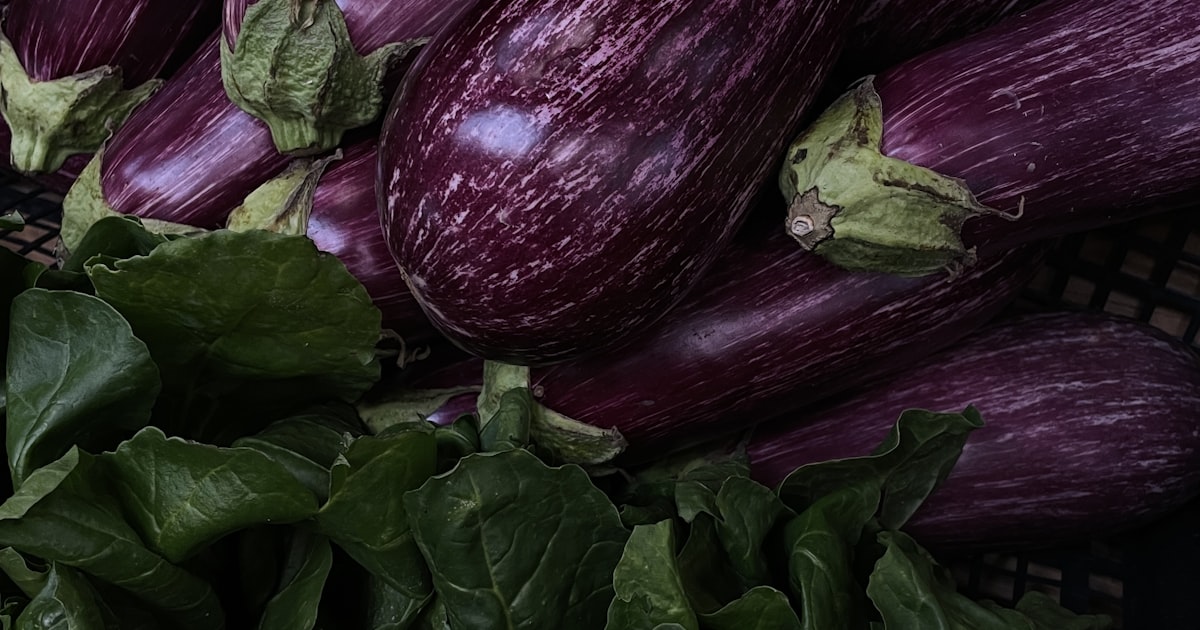
There is something deeply satisfying about growing eggplant. Maybe it is the gorgeous purple skin catching the sunlight. Maybe it is the way a single plant can pump out fruit after fruit all summer long. Either way, eggplant is one of those crops that rewards patience with abundance.
Let us get you growing.
Quick Facts
| Plant Family | Nightshade (Solanaceae) |
| Sun | Full sun (at least 6 hours) |
| Water | Regular, consistent watering |
| Difficulty | Moderate |
| Time to Harvest | 14 to 18 weeks from transplant |
| Companions | Basil, beans, capsicum, marigold |
| Avoid Planting Near | Fennel, other nightshades in same spot |
Why Eggplant Needs Your Patience
Here is the thing about eggplant: it is a heat lover through and through. While your tomatoes might get going in early spring, eggplant sits there looking at you like, “Nah, not warm enough yet.” And honestly, fair enough.
Eggplant needs soil temperatures of at least 20 degrees Celsius before it even thinks about putting on growth. In most parts of Australia, that means planting out seedlings from late October through to December, depending on your zone. If you are in a cooler region like Tasmania or the highlands, a greenhouse or warm microclimate is basically essential.
Choosing Your Varieties
Australia has some cracking eggplant varieties to choose from.
Lebanese Eggplant is the long, slender variety you will find at every good greengrocer. It is perfect for grilling, has fewer seeds, and is less bitter than globe types. Plants tend to be quite productive too.
Japanese Eggplant is similar in shape to Lebanese but often darker and slightly thinner. Brilliant for stir-fries and tempura. The skin is tender enough to eat without any fuss.
Classic Globe is your big, round, dark purple eggplant. This is the one you want for eggplant parmigiana and moussaka. It takes a bit longer to mature but produces impressively large fruit.
Fairy Tale is a smaller, ornamental looking variety with streaky purple and white skin. Fantastic for containers and raised beds. Kids love them because they look like little works of art.
TRACK YOUR EGGPLANT JOURNEY
Know exactly when to plant, feed, and harvest
VeggieCrush sends you personalised reminders based on your climate zone so your eggplant gets the timing it deserves.
Download the free appPlanting and Growing
Soil Prep
Eggplant loves rich, well drained soil. Dig in plenty of compost and aged manure before planting. A slightly acidic to neutral pH (6.0 to 7.0) is ideal. If your soil is heavy clay, consider raised beds or mounding your rows.
Spacing
Give each plant about 60 to 80 centimetres of space. They get bushy, and good airflow helps prevent fungal issues.
Staking
This is one people often overlook. Eggplant branches can snap under the weight of fruit, especially the globe varieties. Put a sturdy stake in at planting time (adding it later can damage roots) and tie branches loosely as they grow.
Feeding
Eggplant is a moderate to heavy feeder. Side dress with compost or a balanced organic fertiliser every three to four weeks once flowering begins. Too much nitrogen early on gives you loads of leaves and not much fruit, so hold off on the heavy feeds until you see flowers.
Watering
Consistent moisture is key. Irregular watering disrupts calcium uptake and leads to blossom end rot (that ugly brown patch on the bottom of the fruit) and bitter flavour. Mulch heavily around plants to keep soil moisture even and roots cool.
Common Pests and Problems
Flea Beetles
These tiny black beetles chew small holes in the leaves, making them look like they have been hit with a shotgun. Young plants are most vulnerable. Row cover or fine mesh netting is your best defence. Healthy, well fed plants usually outgrow the damage.
Fruit Fly
In warmer parts of Australia, fruit fly can be a real headache. Use exclusion bags or fine mesh over individual fruits. Trapping and baiting around the garden helps reduce populations too.
Aphids
Check the undersides of leaves regularly. A strong spray of water knocks them off, or encourage ladybirds and lacewings into your garden.
Two-Spotted Mite
Hot, dry conditions bring these out. Keep humidity up around plants with mulch and regular watering. Neem oil can help if things get out of hand.
Companion Planting
Eggplant gets along well with quite a few garden mates.
- Basil is a classic companion. It may help repel aphids and thrips, and it loves the same growing conditions.
- Beans fix nitrogen in the soil, giving eggplant a gentle feed.
- Marigolds attract beneficial insects and deter nematodes.
- Capsicum shares similar needs, making them easy to manage together.
Keep eggplant away from fennel (it does not play well with most veggies) and rotate it away from spots where other nightshades grew last season.
COMPANION PLANTING MADE EASY
Never guess which plants go together again
VeggieCrush shows you the best companions for every crop in your garden, tailored to your setup.
Download the free appHarvesting: The Glossy Test
Here is the single most important eggplant harvesting tip: pick them when the skin is glossy.
A ripe eggplant has a beautiful, shiny sheen to its skin. When you press it gently with your thumb, it should give slightly and bounce back. If the skin has gone matte or dull, you have waited too long. Overripe eggplant gets seedy, spongy, and bitter.
Use secateurs or a sharp knife to cut fruit from the plant, leaving a short stem attached. Do not try to twist or pull them off, as you will damage the branch.
Most plants will keep producing until the weather cools in autumn, so keep picking regularly to encourage more fruit.
In the Kitchen
Eggplant is one of the most versatile vegetables you can grow.
Baba ganoush is a smoky, creamy dip that is absurdly easy to make. Char whole eggplants on a barbecue or gas flame until the skin is blackened, scoop out the flesh, and mix with tahini, lemon, garlic, and salt.
Eggplant parmigiana is pure comfort food. Slice, salt, crumb, fry, layer with tomato sauce and mozzarella, and bake until bubbling.
Stir-fries are where the Asian varieties really shine. Slice them thin, toss in a hot wok with garlic, ginger, soy sauce, and a splash of sesame oil. Done in minutes.
Grilled eggplant with a drizzle of good olive oil and a sprinkle of flaky salt is honestly one of the best ways to eat it. Simple and stunning.
Wrapping Up
Eggplant is not a set and forget crop. It asks for warmth, patience, and a bit of attention. But in return, you get armloads of beautiful, glossy fruit all summer long. Start with a Lebanese or Japanese variety if you are new to it. They are forgiving, productive, and absolutely delicious.
Get your seedlings in once the heat arrives, keep the water consistent, and remember: glossy means go. Happy growing.
Get the VeggieCrush App
Join thousands of Aussie gardeners growing better with personalised planting reminders, pest alerts, and expert advice.


Free to download on iOS and Android. No credit card required