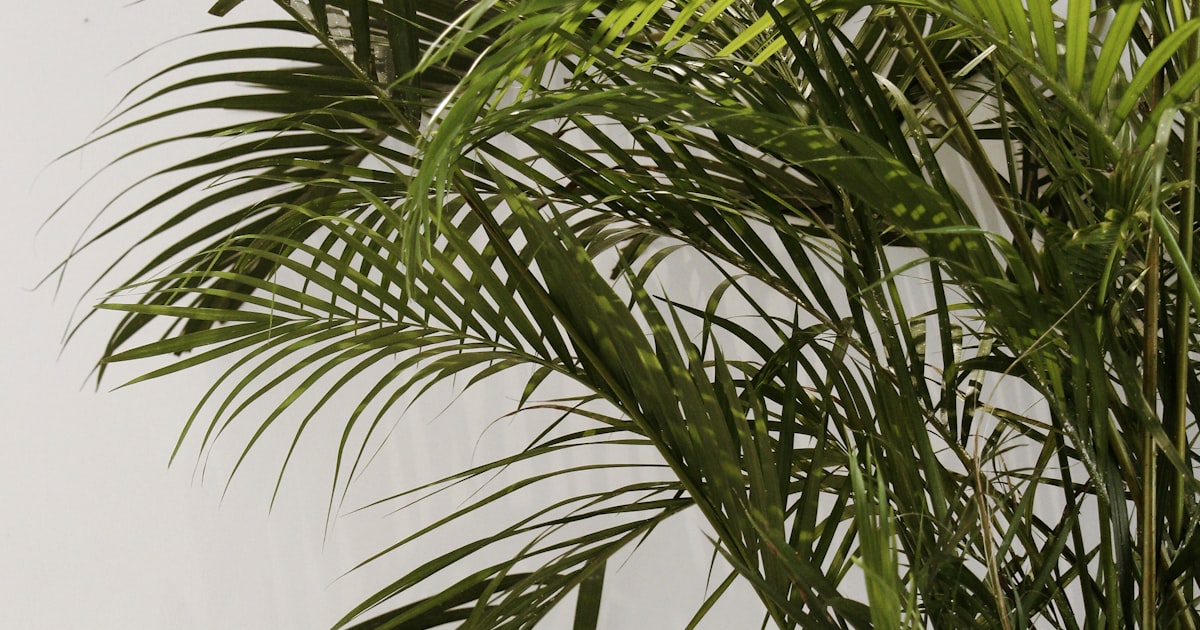
Dill is one of those herbs that just makes a garden feel complete. Those feathery, bright green fronds waving gently in the breeze look absolutely gorgeous, and the flavour is unlike anything else in the herb garden. Fresh, anise-like, slightly grassy, and completely unmistakable.
It’s also one of the easiest herbs to grow, provided you follow one golden rule: sow it where it’s going to live. Dill does not appreciate being fussed over, dug up, or moved around. Plant it, leave it alone, and let it do its thing.
Quick Facts
| Detail | Info |
|---|---|
| Family | Carrot/Parsley (Apiaceae) |
| Sun | Full sun |
| Water | Moderate |
| Difficulty | Easy |
| Time to Harvest | 6 to 8 weeks (leaves) |
Sow Direct, Always
Here’s the most important piece of dill advice you’ll ever get: sow it directly where you want it to grow. Dill has a long taproot and absolutely hates being transplanted. Moving it causes stress, bolting (rushing to flower and seed), and generally unhappy plants.
Scatter seeds on prepared soil, cover lightly with about 5mm of soil or fine compost, and water gently. Seeds germinate in 10 to 14 days. Thin seedlings to about 20cm apart once they’re established.
Dill prefers cool to mild weather. In most parts of Australia, the best sowing windows are autumn (March to May) and late winter to early spring (August to September). In tropical and subtropical regions, sow during the cooler dry season.
In the heat of summer, dill will bolt to seed very quickly, sometimes within a few weeks of germinating. That’s not necessarily a bad thing (the seeds are useful too), but if you want leafy dill for cooking, stick to cooler months.
A Magnet for Beneficial Insects
One of dill’s greatest superpowers has nothing to do with the kitchen. When dill flowers, it becomes an irresistible beacon for beneficial insects.
Hoverflies are attracted to dill flowers in droves. Their larvae are voracious aphid eaters, so having hoverflies in your garden is like hiring a tiny, free pest control team.
Lacewings also love dill flowers, and their larvae (sometimes called aphid lions) are even more effective aphid predators than hoverflies.
Predatory wasps visit dill flowers for nectar and then go on to parasitise caterpillars and other pest insects.
Even if you never harvest a single sprig of dill for cooking, it’s worth growing just for the pest management benefits. Let some plants go to flower and you’ll notice fewer aphids across your entire garden.
BUILD A BETTER GARDEN ECOSYSTEM
Discover companion planting with VeggieCrush
Learn which plants attract beneficial insects and which ones protect their neighbours. VeggieCrush makes companion planting easy.
Download the free appThe Self-Seeding Champion
Once you grow dill, you may never need to buy seeds again. Dill self-seeds with enthusiasm. Let a few plants go to flower and set seed, and you’ll find dill popping up all over your garden for seasons to come.
Some gardeners find this annoying. We think it’s wonderful. Free herbs that plant themselves? Yes please.
If you want to control where dill grows, simply pull up unwanted seedlings when they’re small (they come out easily) and leave the ones in convenient spots. Or harvest the seed heads before they drop by cutting them when the seeds turn brown and papery. Hang them upside down over a paper bag to catch the seeds as they dry.
Companion Planting: Friends and Enemies
Dill is a fantastic companion for several garden crops:
- Brassicas (broccoli, cabbage, cauliflower, kale) benefit from dill’s ability to attract predatory wasps that prey on cabbage white butterfly caterpillars.
- Cucumbers grow well with dill, and the combination is handy when making preserved cucumbers.
- Lettuce and leafy greens appreciate the light shade dill provides and the beneficial insects it attracts.
- Corn pairs well with dill, which can attract beneficial insects that help control corn pests.
But keep dill far away from fennel. They’re closely related and will cross-pollinate, resulting in odd-tasting hybrid seeds that are neither good dill nor good fennel. They can also inhibit each other’s growth. A few metres of separation is ideal.
Harvesting Leaves vs Seeds
Dill gives you two distinct harvests, and the timing for each is different.
Dill Leaves (Fronds)
Start snipping leaves as soon as the plant is about 15 to 20cm tall and has several sets of feathery fronds. Cut from the outside of the plant and leave the central growing point intact so the plant continues producing.
Dill leaves are best used fresh. They lose a lot of flavour when dried. If you have more than you can use, chop finely and freeze in ice cube trays with a splash of water or olive oil.
Dill Seeds
Let the plants flower and form seed heads. When the seeds turn brown and the flower heads start to look dry and papery, the seeds are ready. Cut the entire seed head and shake it into a paper bag or over a bowl.
Dill seeds have a warmer, more intense flavour than the leaves. They’re essential in preserving, fantastic in bread dough, and lovely scattered over roasted vegetables.
HARVEST AT THE RIGHT TIME
Get notified when your dill is ready to pick
VeggieCrush tracks your plantings and lets you know when it's time to harvest, so nothing goes to waste.
Download the free appDill in the Kitchen
Dill’s culinary range is wider than most people realise. Here are some favourite uses:
Gravlax. Curing salmon with dill, salt, and sugar is a Scandinavian classic that’s incredibly easy to make at home. All you need is a fillet of salmon, a big bunch of dill, and a couple of days of patience.
Potato salad. Fresh dill is the secret ingredient that elevates a potato salad from ordinary to outstanding. Toss boiled potatoes with a dill, sour cream, and lemon dressing.
Yoghurt sauces. Mix chopped dill into Greek yoghurt with lemon juice, garlic, and a pinch of salt. Perfect alongside grilled meats, roasted vegetables, or falafel.
Preserved cucumbers. You can’t make a proper dill cucumber preserve without dill. Use fresh fronds, flower heads, and seeds for the full flavour experience.
Scrambled eggs. A handful of fresh dill stirred through scrambled eggs at the last moment is a simple weekday upgrade.
Fish dishes. Dill and fish are a classic combination for good reason. The herb’s fresh, anise-like flavour complements seafood beautifully.
Growing in Containers
Dill can be grown in pots, though it needs a deep container (at least 25cm) to accommodate its taproot. Use a quality potting mix, place in full sun, and water regularly. Container-grown dill tends to bolt faster than garden-grown dill, so succession sowing every few weeks is especially important in pots.
The Bottom Line
Dill is easy, beautiful, useful in the kitchen, and brilliant for your garden’s ecosystem. Sow it direct, let it flower, enjoy the beneficial insects it attracts, and you’ll wonder why you ever gardened without it. Just keep it away from the fennel.
Get the VeggieCrush App
Join thousands of Aussie gardeners growing better with personalised planting reminders, pest alerts, and expert advice.


Free to download on iOS and Android. No credit card required