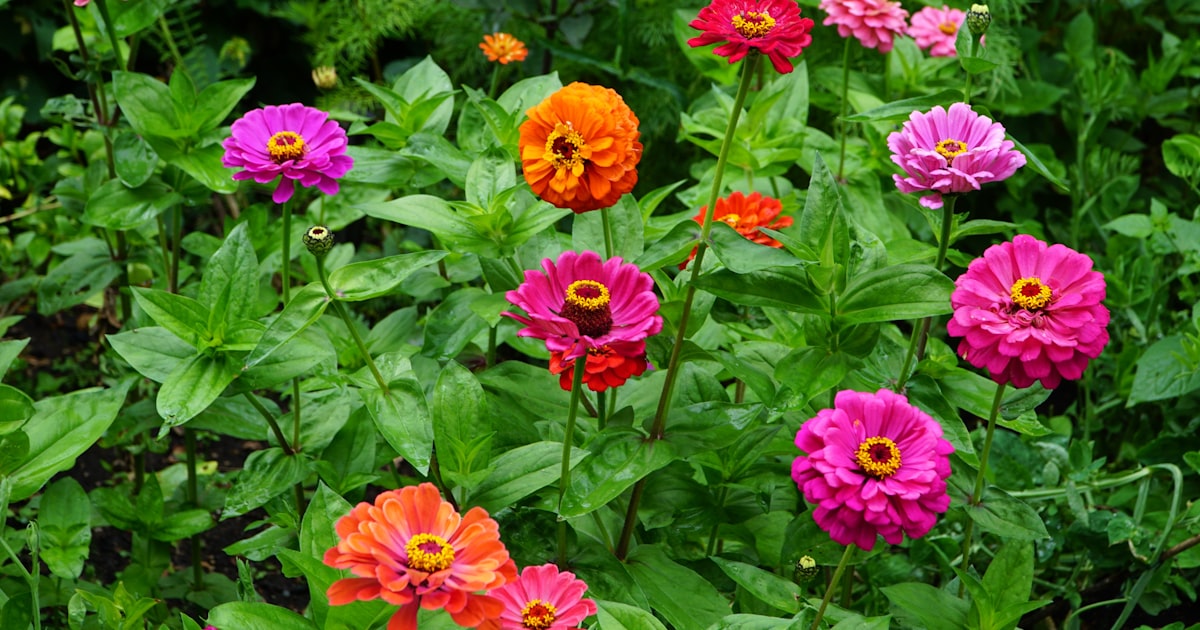
Every veggie garden needs a flower patch. Not just because flowers are beautiful (though they absolutely are), but because a dedicated patch of cut flowers transforms the health and productivity of your entire garden. Pollinators arrive in droves, beneficial insects set up camp, and you get to fill your house with gorgeous homegrown bouquets.
Cosmos and zinnia are the two best flowers to start with. They are easy, prolific, and together they cover a colour spectrum that would make a rainbow jealous.
Cosmos Quick Facts
| Family | Asteraceae (Daisy family) |
| Sun | Full sun |
| Water | Moderate |
| Difficulty | Easy |
| Time to Flower | 8 to 12 weeks from seed |
| Plant Type | Annual |
Zinnia Quick Facts
| Family | Asteraceae (Daisy family) |
| Sun | Full sun |
| Water | Moderate |
| Difficulty | Easy |
| Time to Flower | 8 to 12 weeks from seed |
| Plant Type | Annual |
Why Every Veggie Garden Needs Flowers
Let’s address this upfront, because some gardeners feel guilty about “wasting” space on flowers in a food garden. Here is the thing: flowers are not wasting space. They are working space.
- Pollinators. Bees, butterflies, and other pollinators need flowers to survive. More pollinators in your garden means better fruit set on your tomatoes, beans, pumpkins, cucumbers, and everything else that needs pollination.
- Beneficial insects. Hoverflies, lacewings, parasitic wasps, and ladybirds all need flowers for nectar and pollen. These are the predators that keep aphids, caterpillars, and other pests in check.
- Mental health. There is solid research showing that flowers reduce stress and improve mood. Gardening is supposed to be joyful, and a vase of fresh cosmos on the kitchen table makes everything better.
- Beauty. Your garden should make you happy when you look at it. Flowers do that.
Growing Cosmos
Cosmos (Cosmos bipinnatus and Cosmos sulphureus) are the floaty, ethereal half of this partnership. Their delicate, feathery foliage and elegant flowers on long stems create a dreamy, cottage garden feel.
Varieties to Try
- Cosmos bipinnatus (common cosmos): White, pink, magenta, and bicolour flowers. Tall plants reaching 90 to 150 cm. ‘Sensation Mix’ is a classic.
- Cosmos sulphureus (sulphur cosmos): Orange, yellow, and red flowers. Shorter and bushier at 40 to 80 cm. ‘Bright Lights Mix’ is lovely.
Sowing
- Direct sow seeds after the last frost, about 1 cm deep.
- Space plants 30 to 40 cm apart.
- Germination takes 7 to 10 days.
- In cooler areas, start seeds indoors 4 to 6 weeks before the last frost.
Care Tips
- Do not overfeed. Cosmos, like nasturtiums, flower better in average to poor soil. Rich soil produces tall, floppy plants with fewer blooms.
- Pinch the tips when seedlings are about 20 cm tall. This encourages branching and produces more flowers.
- Stake tall varieties if needed, especially in windy spots.
ADD BEAUTY TO YOUR VEGGIE PATCH
Plan flowers alongside your food crops
VeggieCrush helps you integrate pollinator-friendly flowers like cosmos and zinnia into your veggie garden layout for a healthier, more productive patch.
Download the free appGrowing Zinnia
Zinnias (Zinnia elegans) are the bold, vibrant counterpart to cosmos. Where cosmos is delicate and airy, zinnias are punchy and vivid, with dense, layered petals in almost every colour imaginable.
Varieties to Try
- Giant Dahlia Mix: Huge, dahlia-like blooms in every colour. Tall plants at 80 to 100 cm.
- Queen Lime: Stunning lime-green to blush flowers. A real showstopper.
- Benary’s Giant: The gold standard for cut flower zinnias. Long stems, massive blooms.
- Profusion Series: Compact, disease-resistant, perfect for borders and pots.
Sowing
- Direct sow after the last frost. Zinnias hate cold and need warm soil to germinate well.
- Sow seeds about 0.5 cm deep, 20 to 30 cm apart.
- Germination takes 5 to 7 days in warm soil.
- Zinnias transplant reasonably well as young seedlings, so starting them in pots is also fine.
Care Tips
- Full sun is non-negotiable. Zinnias need at least 6 to 8 hours of direct sun.
- Water at the base. Overhead watering promotes powdery mildew, which zinnias are prone to. Always water at soil level.
- Good air circulation helps prevent fungal issues. Do not crowd them.
- Pinch the tips just as with cosmos for bushier plants and more flowers.
Cut-and-Come-Again Harvesting
Both cosmos and zinnia are cut-and-come-again flowers, which means the more you cut them, the more they produce. Cutting a stem for a bouquet sends a signal to the plant to produce more flowering stems. It is a beautiful cycle.
How to Harvest
- Cut stems in the early morning or late evening when the flowers are freshest.
- Cut long stems, right down to a leaf node. This encourages the most new growth.
- Place stems immediately in a bucket of water.
- For zinnias, the “wiggle test” tells you if a stem is ready: gently wiggle the stem just below the flower head. If it is floppy, the flower is too young and will not last in a vase. If it is firm, cut it.
Deadheading
If you are not cutting flowers for vases, deadhead spent blooms regularly to keep both plants flowering. Snip off faded flowers before they set seed, and the plant will redirect energy into producing new blooms.
At the end of the season, stop deadheading and let some flowers go to seed for easy seed saving.
GROW YOUR OWN BOUQUETS
Track your cut flower harvest all season
VeggieCrush helps you plan succession sowings so you have fresh flowers from your garden all through the warm months.
Download the free appCompanion Planting in the Veggie Garden
Scatter cosmos and zinnia throughout your veggie garden, not just in a dedicated flower patch. Plant them:
- Along the borders of veggie beds to draw in pollinators.
- Between rows of tomatoes, beans, and cucurbits.
- Near the compost bay where they can grow tall without shading anything important.
- In pots placed strategically around the garden.
The goal is to have flowers blooming everywhere, creating a constant flow of pollinators and beneficial insects through your food growing areas.
Seed Saving
Both cosmos and zinnia are excellent for seed saving:
- Cosmos: Let flower heads dry on the plant. The seeds are long, thin, and dark. Collect them when the flower head is papery and dry.
- Zinnia: Let flower heads dry completely on the plant. Pull apart the dried head and you will find arrow-shaped seeds among the dried petals.
Store seeds in labelled paper envelopes in a cool, dry spot. They remain viable for two to three years.
The Bottom Line
Cosmos and zinnia together create a cut flower patch that is easy, gorgeous, and genuinely useful. They attract the pollinators and beneficial insects your veggie garden needs, they provide endless bouquets for your home, and they add a layer of joy and colour that makes time in the garden feel like a celebration.
Plant them once and you will wonder how you ever gardened without them. Colour, life, bees, butterflies, and armloads of flowers. What more could you want?
Get the VeggieCrush App
Join thousands of Aussie gardeners growing better with personalised planting reminders, pest alerts, and expert advice.


Free to download on iOS and Android. No credit card required