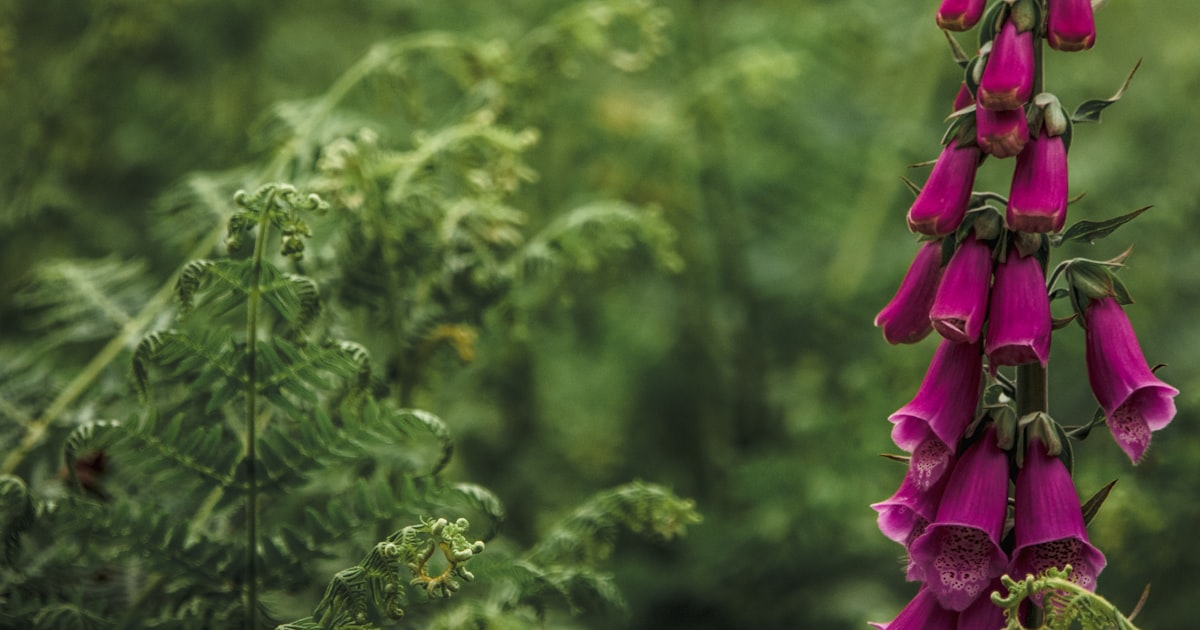
If there is one plant that earns its keep in the garden more than any other, it is comfrey. This big, leafy, slightly rough looking perennial is the unsung hero of permaculture gardens across Australia. It makes mulch, fertiliser, and pollinator habitat all at once. Honestly, it is almost too good to be true.
Let’s dig into everything you need to know about growing comfrey, and why it deserves a permanent spot in your garden.
Quick Facts
| Family | Boraginaceae (Borage family) |
| Sun | Full sun to partial shade |
| Water | Moderate |
| Difficulty | Easy |
| Time to Establish | 10 to 14 weeks |
| Plant Type | Herbaceous perennial |
Why Comfrey Is a Permaculture Superstar
Comfrey is what permaculture folks call a dynamic accumulator. Its deep taproot (we are talking a metre or more) mines minerals from deep in the subsoil that other plants simply cannot reach. Nutrients like potassium, phosphorus, calcium, and nitrogen get pulled up and stored in those big, hairy leaves.
When those leaves break down on the surface, all those lovely minerals become available to your shallow-rooted veggie plants. It is like having a free, solar-powered mineral delivery service running in your garden.
The Best Variety: Bocking 14
Here is a very important detail. You want to grow Bocking 14 comfrey, also known as Russian comfrey (Symphytum x uplandicum). This is a sterile hybrid, which means it does not set viable seed and will not spread through your garden like wildfire.
Common comfrey (Symphytum officinale) will self-seed everywhere and can become genuinely invasive. Bocking 14 only spreads from root division, so you stay in control.
You can find Bocking 14 root cuttings from permaculture nurseries and online suppliers across Australia. A few root cuttings will give you more comfrey than you will ever need.
How to Grow Comfrey
Planting
Comfrey is almost always grown from root cuttings or crown divisions rather than seed (especially Bocking 14, which is sterile).
- Choose your spot wisely. Remember, this plant is staying forever. Under fruit trees, along garden borders, or next to compost bays are all brilliant locations.
- Prepare the soil. Comfrey is not fussy, but it appreciates decent soil with some organic matter.
- Plant root cuttings about 5 cm deep and 60 cm apart. Crown divisions can go straight in at soil level.
- Water in well and keep moist until established.
Growing Conditions
Comfrey is remarkably adaptable. It handles full sun beautifully but also tolerates partial shade, making it perfect for underplanting fruit trees. It likes consistent moisture but established plants are surprisingly drought tolerant thanks to that deep taproot.
It dies back in winter in cooler areas but returns with vigour in spring.
PLAN YOUR PERMACULTURE GARDEN
Track your comfrey and companion plants
VeggieCrush helps you plan companion planting combinations and track your permaculture garden setup throughout the seasons.
Download the free appChop and Drop Mulching
This is the simplest and most popular way to use comfrey. Here is how it works:
- Let your comfrey grow until it is about to flower (this is when nutrient levels are highest in the leaves).
- Cut it down to about 5 cm above ground level using shears or a sharp knife.
- Lay the cut leaves directly around your veggie plants, fruit trees, or anywhere you want rich mulch.
- Walk away. The leaves break down surprisingly fast, feeding the soil as they decompose.
You can do this three to five times per growing season. The plant bounces back every time. It is a relentless grower.
Comfrey Tea: Liquid Gold for Your Garden
Comfrey tea is a potent liquid fertiliser that is especially high in potassium, making it fantastic for fruiting plants like tomatoes, capsicums, and pumpkins.
How to Make It
- Fill a bucket or barrel about halfway with chopped comfrey leaves.
- Weigh the leaves down with a brick or heavy object.
- Fill with water and cover loosely.
- Leave for three to six weeks, stirring occasionally.
- Strain the liquid and dilute it roughly 1:10 (one part comfrey tea to ten parts water).
Fair warning: it smells absolutely terrible. Like, genuinely awful. But your plants will love it.
Companion Planting with Comfrey
Comfrey shines as a companion plant, especially in these situations:
- Under fruit trees. Plant a ring of comfrey around the drip line of fruit trees. The deep roots will not compete with the tree, and the chop-and-drop mulch feeds the soil beautifully.
- Along garden borders. Use comfrey as a nutrient barrier that captures runoff and builds soil at the edges of your beds.
- Near compost bays. Its leaves are an excellent compost activator, speeding up decomposition.
- As a living mulch system. Interplant comfrey throughout your food forest layers.
Attracting Pollinators
Comfrey flowers are absolute bee magnets. The tubular, bell-shaped blooms in purple, pink, or white are rich in nectar and pollen. If you are growing Bocking 14, you can let it flower freely without worrying about it spreading by seed.
Having comfrey flowering near your veggie patch brings in pollinators right where you need them. Your beans, pumpkins, zucchini, and tomatoes will all benefit.
GROW SMARTER, NOT HARDER
Get reminders for chop-and-drop timing
VeggieCrush sends you seasonal reminders so you never miss the perfect time to harvest your comfrey for mulch and liquid feeds.
Download the free appA Bit of History
Comfrey has been used medicinally for centuries. Its old common name, “knitbone,” hints at its traditional use for healing broken bones and sprains. The leaves and roots contain allantoin, a compound that promotes cell growth.
However, comfrey also contains pyrrolizidine alkaloids, which can be harmful to the liver if taken internally. Modern advice is strictly external use only for any medicinal applications. Always do your own research and consult a health professional before using any plant medicinally.
Common Questions
Can I grow comfrey in a pot? You can, but it will not thrive the same way. Comfrey’s real magic comes from that deep taproot, which needs room to explore. If you must grow it in a container, use the biggest pot you can find.
Will comfrey take over my garden? Bocking 14 will not spread by seed. It stays in a clump and only gets bigger over time. Other varieties can self-seed prolifically, so stick with Bocking 14.
How long does comfrey live? Essentially forever. A well-established comfrey plant will outlive you. That is why choosing your planting spot carefully matters so much.
The Bottom Line
Comfrey is one of those rare plants that gives far more than it takes. It builds soil, feeds your garden, attracts pollinators, and asks almost nothing in return except a permanent spot in the ground. If you are serious about building a self-sufficient, thriving garden, comfrey is not optional. It is essential.
Just remember: plant it where you want it, because it is not going anywhere. Ever.
Get the VeggieCrush App
Join thousands of Aussie gardeners growing better with personalised planting reminders, pest alerts, and expert advice.


Free to download on iOS and Android. No credit card required