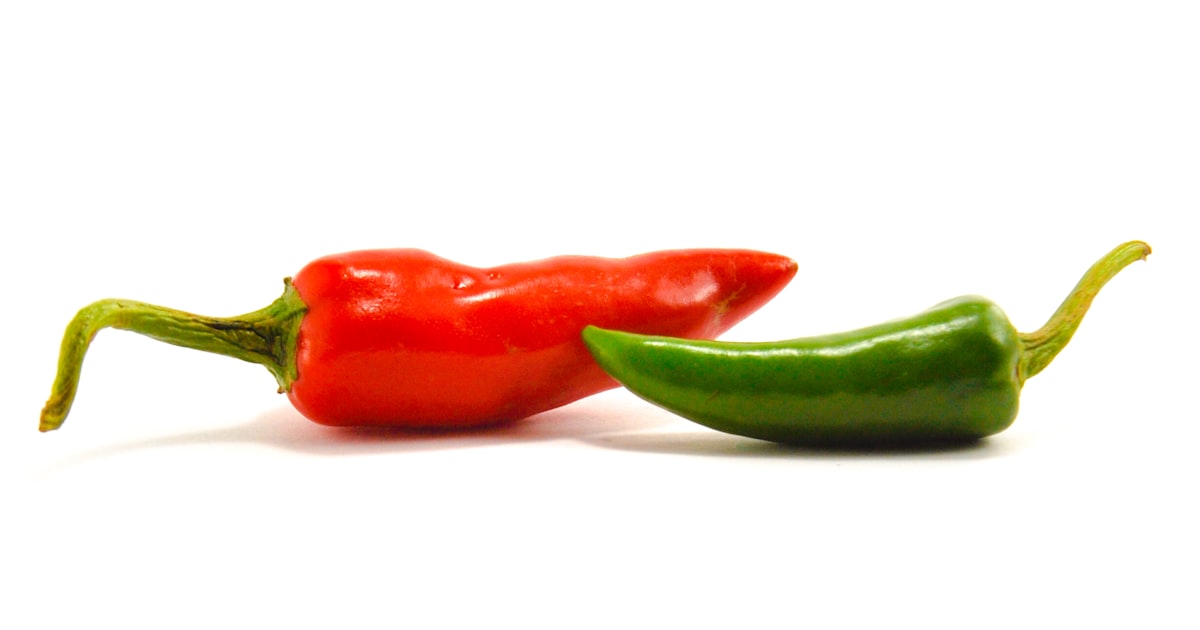
If you love a bit of heat in your cooking, growing your own chillies is an absolute game-changer. Fresh chillies from the garden are a different beast entirely to the sad, wrinkly ones at the supermarket. They are more aromatic, more complex, and frankly, more fun.
Plus, chilli plants are gorgeous. Compact, productive, and happy in pots. What is not to love?
Quick Facts
| Plant Family | Nightshade (Solanaceae) |
| Sun | Full sun (at least 6 hours) |
| Water | Moderate, avoid overwatering |
| Difficulty | Moderate |
| Time to Harvest | 12 to 20 weeks |
| Companions | Basil, tomatoes, carrots, marigolds |
| Avoid Planting Near | Fennel, other nightshades in same bed |
Heat Levels: The Scoville Scale
Before we get into growing, let us talk about heat. The Scoville scale measures the spiciness of chillies in Scoville Heat Units (SHU). Here is a quick guide.
| Chilli | Scoville Heat Units |
|---|---|
| Capsicum (no heat) | 0 SHU |
| Banana pepper | 100 to 500 SHU |
| Jalapeno | 2,500 to 8,000 SHU |
| Cayenne | 30,000 to 50,000 SHU |
| Bird’s eye | 50,000 to 100,000 SHU |
| Habanero | 100,000 to 350,000 SHU |
| Carolina Reaper | 1,400,000 to 2,200,000 SHU |
Start mild and work your way up. There is no shame in a jalapeno. They are versatile, productive, and delicious.
Great Varieties for Australian Gardens
Bird’s Eye
The quintessential Aussie chilli. Small, fiery, and incredibly productive. Plants are compact and self-sow freely in warmer climates. If you only grow one chilli, make it this one.
Jalapeno
Thick-walled, moderately hot, and perfect for salsas, nachos, poppers, and preserving. Jalapenos are one of the easiest chillies to grow and produce heavily over a long season.
Habanero
If you want serious heat with fruity, tropical flavour, habanero is your chilli. The lantern-shaped fruit starts green and ripens to orange, red, or even chocolate brown depending on the variety. Plants take a bit longer to produce but are well worth the wait.
Cayenne
Long, thin, and ideal for drying. Cayenne chillies produce prolifically and are the classic choice for making chilli flakes. The plants are tall and narrow, making them great for tight spaces.
Thai Chilli
Very similar to bird’s eye but often slightly smaller and hotter. Essential for South-East Asian cooking. Plants are compact and ornamental, with upward-pointing fruit in shades of green, red, and orange all at the same time.
Planting
Chillies are slow starters. Seeds can take 2 to 4 weeks to germinate, and seedlings grow slowly for the first month or two. Start seeds indoors 8 to 10 weeks before your last frost date, or buy seedlings from a nursery if you want a head start.
Plant out once all risk of frost has passed and nighttime temperatures are consistently above 15 degrees Celsius. Chillies hate the cold. A chilled chilli plant will sulk and refuse to grow until warmth returns.
Soil should be well drained and moderately fertile. Unlike tomatoes, chillies do not need super rich soil. Too much nitrogen gives you loads of leaves and fewer fruit.
Spacing is 40 to 60 centimetres between plants, depending on the variety.
Container Growing Champion
Chillies are one of the best crops for container growing. Most varieties stay compact enough to thrive in a 20 to 30 litre pot, and many smaller varieties do well in pots as small as 10 litres.
Growing in containers has some genuine advantages for chillies.
Mobility. You can move pots to catch the best sun, shelter them from cold snaps, and bring them inside for winter (more on that shortly).
Heat. Dark-coloured pots absorb heat and warm the root zone, which chillies love.
Control. You can manage soil quality and watering precisely, which matters because chillies are sensitive to overwatering.
Use a quality potting mix with good drainage. Add some perlite if the mix feels heavy. Make sure your pot has drainage holes. Waterlogged chillies are unhappy chillies.
CONTAINER GARDENING MADE EASY
Track your potted chillies from seed to harvest
VeggieCrush helps you manage container gardens with watering reminders and feeding schedules tailored to your setup.
Download the free appWhy Stress Makes Them Hotter
Here is a fun bit of chilli science. Capsaicin, the compound that makes chillies hot, is actually a stress response. The plant produces it to deter animals from eating its fruit (birds are immune to capsaicin, which is handy because they spread the seeds).
This means that mildly stressing your chilli plants can increase their heat level. Slightly reducing water once fruit starts forming, growing in hotter conditions, and even letting the soil dry out between waterings can all boost capsaicin production.
Overwintering Chilli Plants
Here is something many gardeners do not realise: chilli plants are perennials. In their natural tropical habitat, they live for years. In Australia, cold winters kill them, but you can overwinter them indoors.
Before the first frost:
- Pick all remaining fruit
- Prune the plant back hard, to about one third of its size
- Bring the pot inside to a bright, cool spot (a garage window, laundry, or sunroom works well)
- Reduce watering dramatically. The plant will look sad and drop its leaves. This is normal.
- In spring, when temperatures warm up, move it back outside and resume normal watering and feeding
An overwintered chilli plant produces fruit much earlier in its second year because the root system is already established. Some growers keep their best plants going for five years or more.
Companion Planting
Chillies share many companions with their nightshade relatives.
Basil is the classic partner. It may help repel aphids and thrips, and the two plants enjoy similar growing conditions.
Tomatoes can be grown alongside chillies (they are family), but rotate them together as a group. Do not plant nightshades in the same spot year after year.
Carrots make good use of the space between chilli plants and do not compete for the same nutrients.
Marigolds deter whitefly and attract beneficial insects that prey on chilli pests.
Harvesting
You can pick chillies at any stage. Green chillies are milder with a fresher, grassier flavour. As they ripen to red (or orange, or yellow, depending on variety), they develop more heat and sweeter, fruitier flavour.
Regular picking encourages the plant to produce more fruit. If you leave ripe chillies on the plant too long, production slows down.
Preserving Your Harvest
A productive chilli plant can overwhelm you with fruit. Here are the best ways to preserve the bounty.
Drying
Thread chillies onto a string through their stems and hang in a warm, dry, well ventilated spot. They will dry in 2 to 4 weeks. Alternatively, use a food dehydrator for faster results. Once completely dry, store whole or grind into chilli flakes.
Freezing
The simplest method. Wash, dry, and freeze chillies whole in a zip-lock bag. They lose some texture when thawed but retain their heat and flavour perfectly. Frozen chillies grate beautifully straight from the freezer.
Fermenting
Fermented chilli sauce (hot sauce) is one of the most rewarding things you can make. Blend chillies with salt and garlic, pack into a jar, and let it ferment for 1 to 4 weeks. Strain and bottle. The flavour is complex, tangy, and utterly addictive.
Quick Preserving
Quick-preserved jalapenos take about 15 minutes to make and last for months in the fridge. Slice, stuff into a jar, pour over a hot brine of vinegar, water, sugar, and salt. Done.
GROW YOUR SPICE COLLECTION
From seed to hot sauce, track every step
VeggieCrush helps you plan, grow, and harvest chillies with personalised care guides for each variety in your garden.
Download the free appWrapping Up
Chilli is one of those crops that hooks you. You start with a single jalapeno plant in a pot on the balcony, and before you know it, you are growing fifteen varieties, making your own hot sauce, and arguing about Scoville ratings with strangers on the internet.
They are slow to start but incredibly rewarding once they get going. Give them warmth, sunshine, and a bit of tough love, and they will keep you in fresh chillies from midsummer right through to the first frost. Happy growing.
Get the VeggieCrush App
Join thousands of Aussie gardeners growing better with personalised planting reminders, pest alerts, and expert advice.


Free to download on iOS and Android. No credit card required