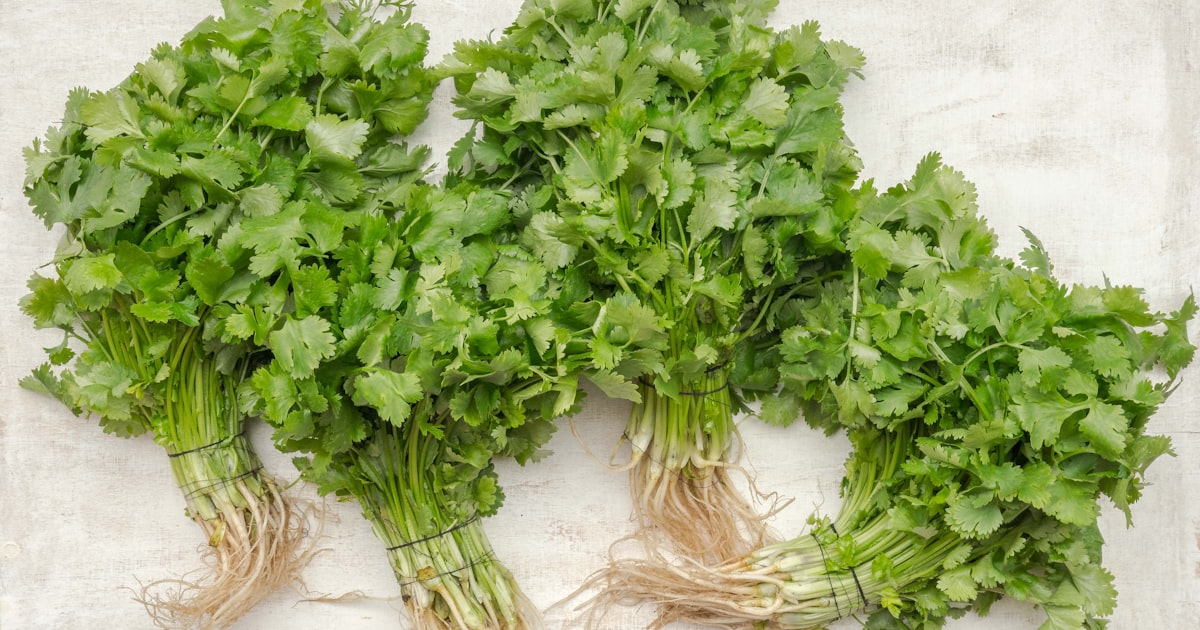
If you have ever eaten at a French restaurant and wondered what that delicate, slightly sweet, faintly anise-flavoured green was garnishing your eggs or fish, there is a very good chance it was chervil. This elegant herb is one of the classic French “fines herbes” (alongside parsley, tarragon, and chives), and yet most home gardeners have never grown it. That is about to change.
Quick Facts
| Detail | Info |
|---|---|
| Family | Carrot / Parsley (Apiaceae) |
| Sun | Partial shade |
| Water | Regular |
| Difficulty | Easy |
| Time to Harvest | 6 to 8 weeks |
What Does Chervil Taste Like?
Imagine a gentle blend of parsley and tarragon with a whisper of anise. That is chervil. The flavour is delicate and refined, never overpowering. It is the herb equivalent of a soft-spoken dinner guest who somehow makes everything better just by being there.
Unlike basil or coriander, which can dominate a dish, chervil complements and enhances. It brings freshness and a subtle complexity that lifts simple ingredients.
The Shade Lover
Here is what makes chervil unusual among herbs: it actually prefers partial shade. Most herbs demand full sun, but chervil is happiest with morning sun and afternoon shade, or dappled light throughout the day. This makes it perfect for those tricky spots in the garden that are too shady for basil or rosemary but still get a few hours of gentle light.
If you have a spot under a deciduous tree, on the south side of a fence (in the southern hemisphere, this gets less direct sun), or in a partly shaded courtyard, chervil will love it.
How to Grow Chervil
Sowing
Chervil has a strong taproot and does not transplant well, so always direct sow where you want it to grow. Scatter seeds thinly over prepared soil and barely cover them. Chervil seeds need light to germinate, so do not bury them deeply.
When to sow: Chervil is a cool-season herb. Sow in autumn (March to May) and again in late winter to early spring (July to September) in most Australian climates. In cooler regions like Tasmania or the highlands, you may get a longer growing window.
Germination: Can be slow, sometimes taking 10 to 14 days. Be patient and keep the soil moist. Germination improves in cooler conditions.
Spacing: Thin seedlings to about 15 to 20 cm apart. Chervil does not need a lot of room, making it perfect for pots and small garden beds.
Soil
Chervil likes moist, fertile soil with plenty of organic matter. Mix some compost through your soil before sowing. Good drainage is important, but the soil should retain moisture well. Think of what parsley likes, and you are on the right track.
Watering
Keep the soil consistently moist. Chervil does not cope well with drying out, especially in containers. A layer of fine mulch around the plants helps retain moisture and keeps the roots cool.
The Bolting Issue
Like many cool-season herbs, chervil bolts (runs to seed) quickly when temperatures rise. Once it bolts, the leaves become sparse and lose their delicate flavour. This is why timing your sowing is so important.
Succession Planting
Because chervil has a relatively short productive life before bolting, the smartest approach is succession planting. Sow a small batch every three to four weeks throughout the cool season. This way, you always have a fresh crop coming along as the previous one starts to flower.
A small pot of chervil on the kitchen windowsill, replaced every month, is all you need for a steady supply.
GROW GOURMET HERBS AT HOME
Set up succession sowing reminders
VeggieCrush sends you timely reminders to sow your next batch of chervil so you never run out of this delicate herb.
Download the free appHarvesting
Start picking leaves once the plant has at least three or four sets of true leaves, usually around 6 to 8 weeks after sowing. Snip individual stems from the outside of the plant, working your way in. This encourages the centre to keep producing new growth.
Use chervil as fresh as possible. The flavour is at its best within minutes of picking, and it does not dry well at all. If you must store it, wrap the stems in a damp paper towel, pop them in a bag, and refrigerate. Use within a day or two.
Chervil in the Kitchen
Chervil pairs beautifully with simple, delicate dishes where its subtle flavour can shine.
Eggs: Sprinkle chopped chervil over scrambled eggs, omelettes, or a soft-boiled egg. This is the classic French use, and for good reason.
Fish and seafood: Add fresh chervil to pan-fried fish, prawns, or a seafood salad. Its gentle anise note complements seafood perfectly.
Salads: Toss whole chervil leaves into green salads for a refined, aromatic touch.
Soups: Stir into potato soup, pea soup, or asparagus soup just before serving. Traditional French chervil soup is a spring classic.
Butter and cream sauces: Fold chopped chervil into softened butter for a gourmet herb butter, or stir through a cream sauce at the last moment.
Fines herbes blend: Mix equal parts chervil, parsley, tarragon, and chives. Use this classic French combination on eggs, fish, chicken, and vegetables.
Self-Seeding Magic
Once you have established chervil in a spot it likes, there is a good chance it will self-seed and come back year after year. Let a few plants go to flower and set seed at the end of the season. The seeds will drop and germinate when conditions are right, often in autumn when the weather cools.
Over time, you may find that you barely need to sow chervil at all. It just appears, like a well-mannered guest who knows when to show up.
Companion Planting
Chervil makes a good companion for:
- Lettuce and salad greens: Similar growing conditions and they look lovely together.
- Radishes: Chervil is said to improve the flavour of radishes grown nearby.
- Carrots: Same family, similar needs, and chervil’s low growth fills in around taller carrot tops.
- Broccoli and brassicas: Chervil can help deter aphids from nearby plants.
Avoid growing chervil in very hot, exposed positions or near plants that need heavy watering with overhead sprinklers (this promotes fungal issues on chervil’s delicate leaves).
ELEVATE YOUR HERB GARDEN
Discover gourmet herbs that grow in shade
VeggieCrush helps you find the perfect herbs for every spot in your garden, even those tricky shady corners.
Download the free appCommon Issues
Chervil is blissfully low-maintenance, but here are a few things to watch for:
- Bolting: The number one issue. Keep plants cool and shaded, and succession plant for continuity.
- Aphids: Occasionally bother chervil. A gentle water spray or a nearby planting of nasturtiums (as a trap crop) usually handles it.
- Slugs and snails: Young seedlings can be vulnerable. Iron-based pellets or beer traps will protect them.
- Powdery mildew: Can appear in humid conditions with poor air circulation. Space plants appropriately and avoid overhead watering.
Why You Should Grow Chervil
Chervil is one of those herbs that instantly elevates your cooking from “home meal” to “this could be in a restaurant.” It is easy to grow, thrives in spots most herbs ignore, and adds a refined flavour that nothing else quite replicates. If you have a shady patch, a cool season ahead, and even a passing interest in French cuisine, chervil belongs in your garden. Scatter some seeds this autumn and discover your new favourite herb.
Get the VeggieCrush App
Join thousands of Aussie gardeners growing better with personalised planting reminders, pest alerts, and expert advice.


Free to download on iOS and Android. No credit card required