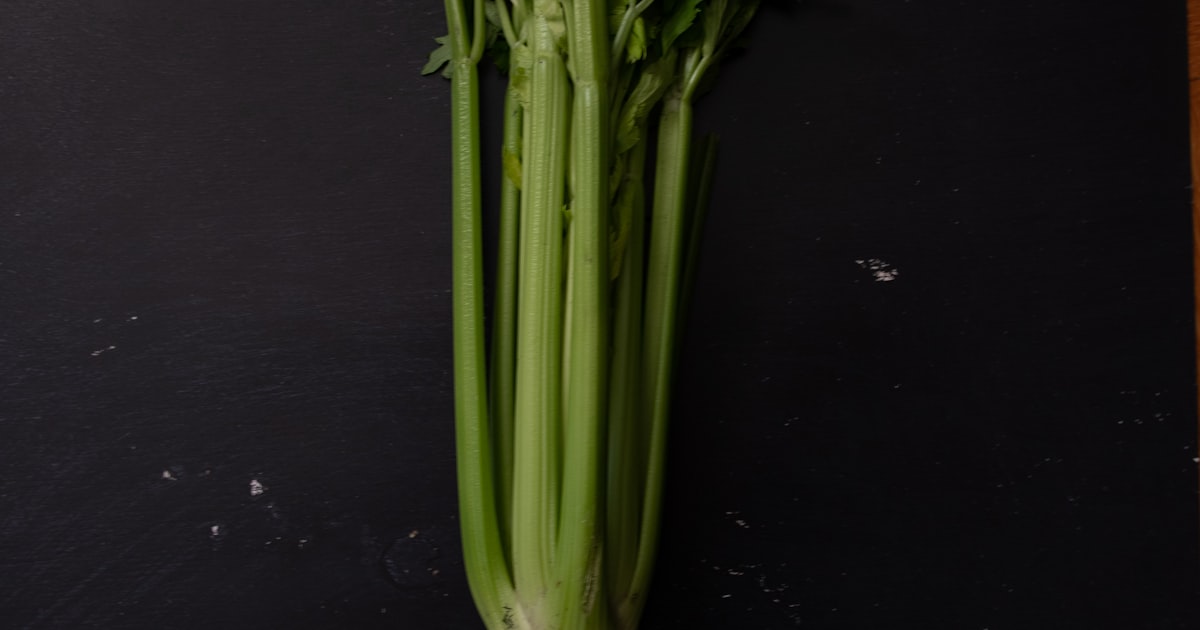
Let’s be upfront about this one: celery is not the easiest vegetable to grow. It is fussy about moisture, picky about temperature, and takes its sweet time getting to harvest. But here is the thing. Homegrown celery tastes so completely different from the bland, watery sticks you buy at the supermarket that it genuinely feels like a different vegetable.
If you are up for a bit of a challenge and have a patient streak, growing celery is one of the most rewarding things you can do in the garden.
Quick Facts
| Detail | Info |
|---|---|
| Family | Apiaceae (Carrot/Parsley family) |
| Sun | Full sun to partial shade |
| Water | Lots, consistently |
| Difficulty | Challenging |
| Time to Harvest | 16 to 20 weeks |
| Best Planting Time | Late summer to autumn (for winter harvest) |
Why Homegrown Celery Is Different
Shop-bought celery has been bred for shelf life and mild flavour. It is mostly water and crunch. Homegrown celery has actual flavour. It is more aromatic, more complex, and has a depth of taste that makes it a genuine ingredient rather than a crunchy afterthought.
You will notice the difference the moment you chop it. The smell fills the kitchen. That is what celery is supposed to be like.
Starting From Seed
Celery seeds are tiny and can be slow to germinate, sometimes taking 2 to 3 weeks. Do not let this discourage you.
How to start celery seeds:
- Fill a seed tray with fine seed-raising mix
- Sprinkle seeds on the surface (do not cover them, they need light to germinate)
- Mist gently with water
- Keep the tray in a warm, bright spot
- Be patient. Seriously, be patient.
Once seedlings have 3 to 4 true leaves (about 8 weeks old), they are ready to transplant.
Planting Out
Celery likes rich, well-composted soil that holds moisture. Before planting, dig in plenty of compost and well-rotted manure. This plant is a heavy feeder and needs fertile ground.
Spacing: Plant seedlings 20 to 25cm apart in rows 30cm apart. If you are growing in a raised bed, 20cm spacing works well.
Timing: In most parts of Australia, the sweet spot for planting celery seedlings is late summer through autumn. This gives the plant cool weather to mature in, which is exactly what it wants.
The Water Situation
This is where celery gets demanding. It needs consistent moisture at all times. Not soggy, waterlogged soil, but soil that never fully dries out. Think of a wrung-out sponge.
Watering tips:
- Water deeply every other day in dry weather, daily in warmer spells
- Mulch heavily around plants to retain soil moisture
- Drip irrigation is ideal if you have it
- If leaves start to go crispy or yellow at the edges, you are not watering enough
Inconsistent watering causes hollow, stringy, bitter stems. This is the number one reason home gardeners get disappointed with celery. Keep the water coming and you will be fine.
STAY ON TOP OF WATERING
Get watering reminders tailored to your celery
VeggieCrush monitors your local conditions and nudges you when your thirsty celery needs attention.
Download the free appBlanching for Mild Flavour
Homegrown celery can be quite strong in flavour. If you prefer milder stems (closer to what you are used to from the shops), blanching helps.
Blanching means blocking light from the stems so they stay pale and develop a gentler taste. You can do this by:
- Wrapping stems with newspaper or cardboard about 2 to 3 weeks before harvest
- Hilling up soil around the base of the plant
- Growing self-blanching varieties that naturally produce lighter stems
Self-blanching types like “Golden Self Blanching” are great for beginners. They still have more flavour than shop-bought, but without the intensity of fully green varieties.
Cutting Celery: The Easier Alternative
If full-sized celery feels like too much commitment, try cutting celery (also called leaf celery or Chinese celery). It grows like a herb, produces thin stems and loads of flavourful leaves, and is much more forgiving.
You can harvest cutting celery leaf by leaf as needed, it regrows quickly, and it handles a wider range of conditions. Use the leaves anywhere you would use regular celery, in soups, stocks, stir fries, and salads. The flavour is concentrated and delicious.
Container Growing
Regular celery can be grown in containers, but you need to go big. Use a pot at least 30cm deep and wide, with good quality potting mix enriched with compost.
The advantage of container growing is that you can control the moisture more easily. The downside is that containers dry out faster, so you will need to water very frequently, possibly daily during warm weather.
Place containers in a spot that gets morning sun but is sheltered from harsh afternoon heat. Celery appreciates a bit of shade during the hottest part of the day.
Feeding
Celery is a hungry plant. Feed every 2 weeks with a balanced liquid fertiliser, or side dress with compost monthly. A seaweed solution every few weeks is also beneficial for root development.
Signs your celery needs more feeding:
- Pale or yellowing leaves
- Thin, spindly stems
- Slow growth (even slower than usual)
Companion Planting
Celery gets along well with:
- Leeks and onions: Similar growing conditions, good neighbours
- Tomatoes: Celery is said to help deter some tomato pests
- Beans: Fix nitrogen in the soil, which celery appreciates
- Cabbage family: Good companions that do not compete
Avoid planting near: Parsnips and carrots (same family, can share pests and diseases).
PLAN YOUR CELERY COMPANIONS
Find the perfect planting partners
VeggieCrush shows you which plants thrive next to celery and helps you design a productive garden bed.
Download the free appHarvesting
You can start harvesting outer stems once the plant is well established, about 16 weeks in. Cut stems from the outside, leaving the centre to keep growing. This “cut and come again” approach extends your harvest over many weeks.
For a full harvest, cut the entire plant at the base. Use a sharp knife and cut just below soil level.
Freshly harvested celery will keep in the fridge for a couple of weeks, but honestly, once you have homegrown celery on hand, it tends to disappear into cooking pretty quickly.
Is It Worth the Effort?
Look, celery is not the plant for someone who wants easy wins. If you are a beginner, start with something more forgiving like spring onions or lettuce and work up to celery.
But if you have got a season or two under your belt and you are looking for a satisfying challenge, celery is genuinely worth it. That first crunch of a home-grown stem, full of flavour and freshness, will make all the fussy watering feel like a small price to pay.
Get the VeggieCrush App
Join thousands of Aussie gardeners growing better with personalised planting reminders, pest alerts, and expert advice.


Free to download on iOS and Android. No credit card required