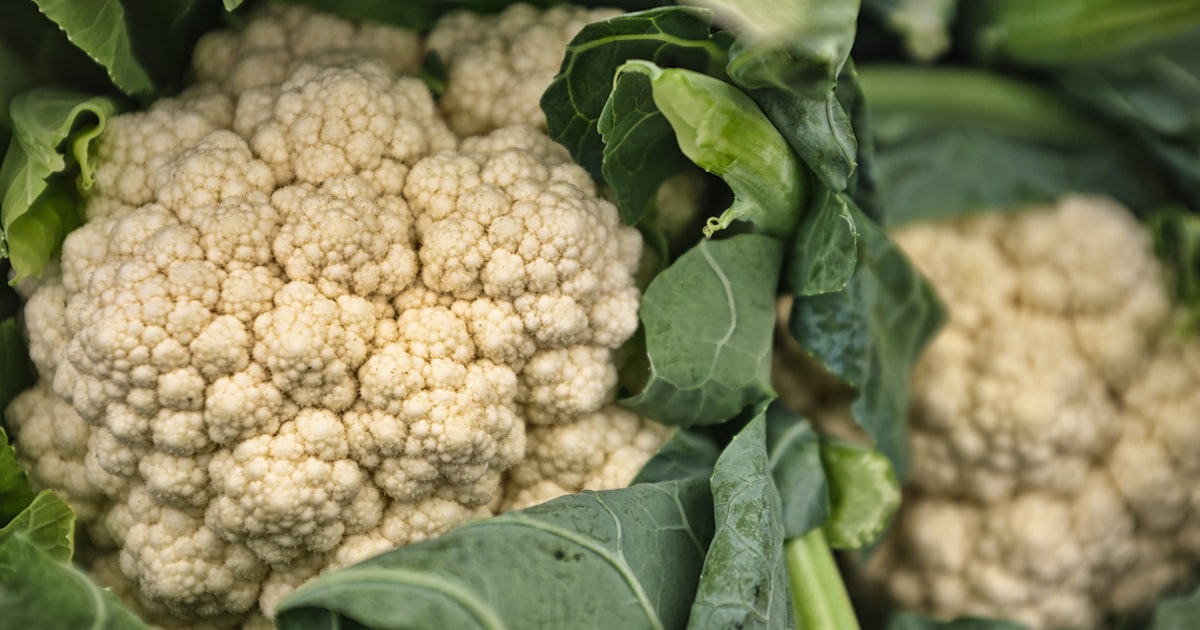
Let’s be upfront: cauliflower has a reputation. It’s the diva of the brassica family, the vegetable most likely to throw a tantrum if conditions aren’t just right. But when you get it right, when you walk out to your garden and cut a perfect, creamy-white head that you grew from scratch, the bragging rights are absolutely worth it.
So, are you up for a challenge? Let’s do this.
Quick Facts
| Family | Mustard/Brassica (Brassicaceae) |
| Sun | Full sun (6+ hours) |
| Water | Regular, consistent moisture |
| Difficulty | Challenging |
| Time to Harvest | 14 to 20 weeks |
| Best Planting Time | Autumn (main season) |
Why Is Cauliflower So Tricky?
Cauliflower is basically broccoli’s high-maintenance cousin. While broccoli can shrug off a bit of stress and still produce a decent head, cauliflower takes any disruption personally. Temperature swings, inconsistent watering, transplant shock, poor soil, a harsh look from across the garden. Any of these can cause problems.
The main issue is “buttoning,” where the plant produces a tiny, premature head (sometimes no bigger than a golf ball) instead of a full-sized one. This usually happens when the plant is stressed during its critical growth phase.
But here’s the thing: once you understand what cauliflower needs, it’s not actually that hard. It’s just less forgiving than most veggies.
When to Plant in Australia
Cauliflower loves cool, stable conditions. The sweet spot is mild days (15 to 20 degrees Celsius) with cool nights.
- Tropical and subtropical zones: Plant from March to May
- Temperate zones: Plant from February to May
- Cool climates: Plant from January to March (or even December for a late summer start)
The key word here is “stable.” Cauliflower hates sudden temperature changes. A warm spell in the middle of winter, or a cold snap after a mild autumn, can trigger buttoning.
Starting Your Plants
Seedlings are recommended for most home gardeners. Growing from seed is absolutely possible, but it adds 5 to 6 weeks to your timeline and gives you more opportunities for things to go wrong during the transplant stage.
If you do start from seed, sow into trays, keep them in a sheltered spot with consistent moisture, and transplant when they have 4 to 6 true leaves. Handle them gently and try to disturb the roots as little as possible.
When transplanting (seedlings or your own starts), water them in well with a diluted seaweed solution to reduce transplant shock.
Soil, Spacing, and Feeding
Cauliflower is a hungry, thirsty plant. Give it the best soil you can.
- Soil: Rich, well-drained, with plenty of compost and aged manure. pH 6.5 to 7.0 is ideal.
- Spacing: 50 to 60cm apart. They need room, and good airflow helps prevent disease.
- Feeding: Side-dress with compost or apply a balanced liquid fertiliser every 2 to 3 weeks. A dose of potassium-rich fertiliser as the head starts to form can help.
Consistent watering is absolutely critical. Mulch heavily around plants to keep soil moisture even and reduce temperature fluctuations at the root zone.
TRACK YOUR BRASSICAS
VeggieCrush helps you stay on top of fussy crops
Get watering reminders, feeding schedules, and growth tracking for cauliflower and other brassicas, customised to your garden.
Download the free appThe Blanching Technique
Traditional white cauliflower varieties need “blanching” to keep the head white and mild-flavoured. This isn’t cooking blanching; it means shielding the developing head (called the “curd”) from sunlight.
When the curd is about the size of a tennis ball, gently fold the large outer leaves over it and secure them with a rubber band, soft tie, or even a clothespin. This creates a little tent that blocks light while still allowing airflow.
Check underneath every few days to monitor the size of the head and make sure no pests have snuck in.
The Easier Alternatives: Purple and Green Cauliflower
Here’s a secret that experienced gardeners know: coloured cauliflower varieties are significantly easier to grow than white ones.
Purple cauliflower (like ‘Graffiti’ or ‘Purple Cape’) is more tolerant of temperature variations and doesn’t need blanching. The heads are a gorgeous deep purple that turns green when cooked. Kids are often fascinated by the colour change.
Green cauliflower (sometimes called broccoflower or Romanesco) is also more forgiving. Romanesco, with its mesmerising fractal spiral pattern, is as much an art piece as it is a vegetable.
If this is your first time growing cauliflower, start with a purple or green variety. The success rate is much higher, and the flavour is just as good.
Harvesting
Harvest when the head is firm, compact, and the right size for the variety (usually 15 to 20cm across for standard varieties). Don’t wait too long. If the curds start to separate or look “ricey” (grainy and loose), the head is past its prime.
Cut the head with a sharp knife, leaving a few leaves attached to protect it during storage. Fresh cauliflower keeps well in the fridge for about a week.
Unlike broccoli, cauliflower generally doesn’t produce useful side shoots after the main head is harvested. Once you’ve cut the head, the plant is done.
Companion Planting
Good companions for cauliflower:
- Celery: Helps deter cabbage white butterflies
- Onions and garlic: Their scent confuses pests
- Dill: Attracts beneficial insects
- Beans: Fix nitrogen in the soil that cauliflower loves
- Chamomile: Said to improve brassica health
Avoid planting near: Strawberries and tomatoes.
COMPANION PLANTING MADE EASY
Know exactly what to plant next to your cauliflower
VeggieCrush's companion planting guide takes the guesswork out of designing your garden beds.
Download the free appTroubleshooting Common Issues
Buttoning (tiny premature heads): The number one cauliflower complaint. Caused by stress: transplant shock, temperature swings, inconsistent watering, or poor nutrition. Prevention is key. Keep conditions stable from day one.
Loose, “ricey” curds: The head has gone past its prime, or growing conditions were too warm. Harvest earlier next time.
Brown spots on the curd: Often a boron deficiency. Apply a seaweed solution regularly throughout the growing season as a preventative.
Cabbage white caterpillars: Same pest that attacks broccoli and cabbage. Use exclusion netting and Dipel (Bt) if needed.
Clubroot: A soil-borne disease that causes swollen, distorted roots. Raise soil pH with lime (clubroot thrives in acidic soil) and don’t plant brassicas in the same spot for at least 3 years.
Varieties for Australian Gardens
- Snowball: Classic white variety, relatively quick maturing
- Amazing: Self-blanching white variety, good for beginners
- Graffiti: Stunning purple heads, easier to grow than white varieties
- Romanesco: Lime-green fractal heads, a real showpiece
- Purple Cape: Hardy, reliable purple variety that handles cool conditions well
- All Year Round: As the name suggests, more tolerant of varied conditions
The Bottom Line
Cauliflower isn’t the easiest vegetable in the garden, and there’s no point pretending otherwise. But it’s also not impossibly difficult. Give it rich soil, consistent water, stable temperatures, and a bit of extra attention, and you’ll be rewarded with one of the most satisfying harvests in the veggie patch.
And if it doesn’t work out perfectly the first time? Try a purple variety. They’re much more forgiving, and you’ll still get to enjoy the victory of growing your own cauliflower.
Worth the effort? Absolutely.
Get the VeggieCrush App
Join thousands of Aussie gardeners growing better with personalised planting reminders, pest alerts, and expert advice.


Free to download on iOS and Android. No credit card required