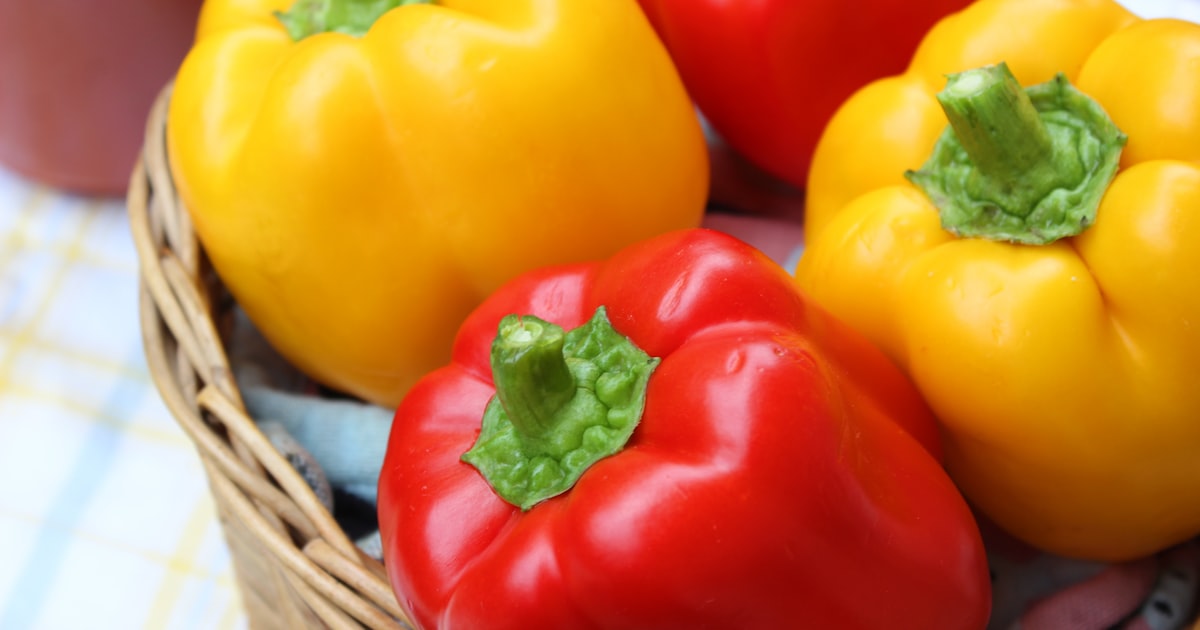
Capsicums are the patient gardener’s reward. They take their sweet time getting started, but once they hit their stride, they produce gorgeous, crunchy, sweet fruit that looks as good as it tastes. Red, yellow, orange, even chocolate and purple. They are some of the most colourful things you can grow.
If you have ever wondered why red capsicums cost three times more than green ones at the shops, growing your own will answer that question fast. (Spoiler: it takes a lot longer to ripen to red.)
Quick Facts
| Detail | Info |
|---|---|
| Family | Nightshade (Solanaceae) |
| Sun | Full sun (6+ hours) |
| Water | Moderate, consistent |
| Difficulty | Moderate |
| Weeks to Harvest | 12-16 weeks |
| Best Season | Spring, summer |
The Colour Secret
Here is something that surprises a lot of people: green, red, yellow, and orange capsicums are not different varieties. Well, some are, but in most cases a green capsicum is simply an unripe capsicum. Leave it on the plant long enough and it will turn red (or yellow, or orange, depending on the variety).
This is why red capsicums are more expensive. They have been on the plant for weeks longer, taking up space and resources. When you grow your own, you get to decide exactly when to pick them.
Green capsicums have a slightly bitter, grassy flavour. As they ripen, they become sweeter and develop more complex flavours. Red capsicums also have significantly more vitamin C and beta-carotene than green ones.
Getting Started
Timing is Everything
Capsicums need warmth. Do not even think about planting them until soil temperatures are consistently above 18 degrees. In most of Australia, this means:
- Temperate zones (Melbourne, Adelaide, Perth): Plant seedlings October to December.
- Subtropical (Sydney, Brisbane): Plant September to January.
- Tropical (Cairns, Darwin): Plant March to August (dry season).
- Cool climate (Hobart, highlands): Plant November to December, and consider growing in a greenhouse or against a warm north-facing wall.
From Seed or Seedling?
Capsicums are slow starters. From seed, they take 8 to 10 weeks just to reach transplant size. If you want to start from seed, sow indoors in early spring using a heat mat or a warm, sunny windowsill.
For most home gardeners, buying seedlings from your local nursery is the easier path. You skip weeks of waiting and get straight to the good part.
Planting Out
- Choose a sunny spot. Capsicums want the hottest, sunniest position in your garden.
- Enrich the soil. Dig in plenty of compost and a handful of blood and bone before planting.
- Spacing. Plant seedlings 40 to 50cm apart. They do not spread much, but they need airflow.
- Mulch. A thick layer of sugar cane mulch or pea straw keeps the soil warm and moist.
- Stake if needed. Once the fruit starts forming, the plants can get top-heavy. A short stake helps prevent branches snapping.
CAPSICUM CARE SCHEDULE
Get personalised watering and feeding reminders
VeggieCrush builds a custom care plan for your capsicums based on your climate zone. No more guessing when to water or feed.
Download the free appGrowing in Containers
Capsicums are actually excellent container plants. Their compact growth habit and moderate root system make them well-suited to pot growing.
Container tips:
- Use a pot at least 30cm wide and deep.
- Good quality potting mix with added compost.
- Water more frequently than in-ground plants (pots dry out faster).
- Feed every 2 weeks with a liquid fertiliser during the growing season.
- Place the pot against a north-facing wall for reflected warmth.
A single capsicum plant in a sunny pot can easily produce 6 to 10 fruits over a season. Not bad for something that costs $3 or more each at the supermarket.
Companion Planting
Capsicums play well with several other plants:
- Basil: Repels aphids and improves flavour (or so the legend goes).
- Carrots: Good root companions that do not compete for space.
- Tomatoes: Same family, similar needs. They grow well side by side, though keep in mind crop rotation for next year.
- Marigolds: The universal pest deterrent. Always a good idea nearby.
Avoid planting capsicums near fennel (it inhibits growth) or brassicas (they prefer different conditions).
Common Issues
Sunscald
White or tan papery patches on the fruit, usually on the side facing the sun. This happens when fruit is suddenly exposed to intense direct sunlight, often after leaves are pruned or damaged. Prevention: keep foliage healthy and avoid excessive pruning.
Slow Ripening
This is the number one capsicum frustration. They just take ages. Green to red can take 3 to 4 weeks, and in cooler weather it takes even longer. Be patient. If autumn is approaching and you have fruit that will not ripen, pick them green and let them ripen on a sunny windowsill.
Blossom Drop
Flowers forming but falling off without setting fruit? This is usually caused by temperature extremes. Capsicums drop their flowers when temperatures go above 35 degrees or below 15 degrees at night. There is not much you can do except wait for conditions to moderate.
Aphids
Capsicums attract aphids, especially on new growth. A strong spray of water from the hose knocks most of them off. For persistent infestations, use an organic soap spray or encourage ladybirds and lacewings into your garden.
Feeding Your Capsicums
Capsicums are moderate feeders. Here is a simple schedule:
- At planting: Compost and blood and bone mixed into the soil.
- Once flowering starts: Switch to a potassium-rich fertiliser (tomato and fruit fertilisers work perfectly).
- Every 2 weeks during fruiting: Liquid seaweed or fish emulsion.
Too much nitrogen early on will give you a bushy, leafy plant with not many flowers. Once you see the first flowers forming, switch to potassium-focused feeding to encourage fruit set.
FEEDING MADE EASY
Know exactly when and what to feed your capsicums
VeggieCrush sends you timely feeding reminders so your capsicums get the right nutrients at the right time.
Download the free appHarvesting
You can harvest capsicums at any stage. Green capsicums are perfectly edible and useful in cooking. But if you have the patience, letting them ripen to their full colour gives you a sweeter, more nutritious fruit.
Cut the fruit from the plant with secateurs rather than pulling. Pulling can damage the branch and the plant. Leave a small stub of stem attached to the fruit.
Regular harvesting encourages the plant to keep producing. If you leave mature fruit on the plant for too long, it signals the plant to slow down production.
The Bottom Line
Capsicums require patience and plenty of sun, but they are one of the most satisfying crops to grow. There is something genuinely thrilling about watching a green capsicum slowly blush red on the plant. And the flavour of a homegrown capsicum, still warm from the sun? It is incomparable to anything you will find at the shops.
Give them warmth, give them time, and they will give you colour, crunch, and plenty to share.
Get the VeggieCrush App
Join thousands of Aussie gardeners growing better with personalised planting reminders, pest alerts, and expert advice.


Free to download on iOS and Android. No credit card required