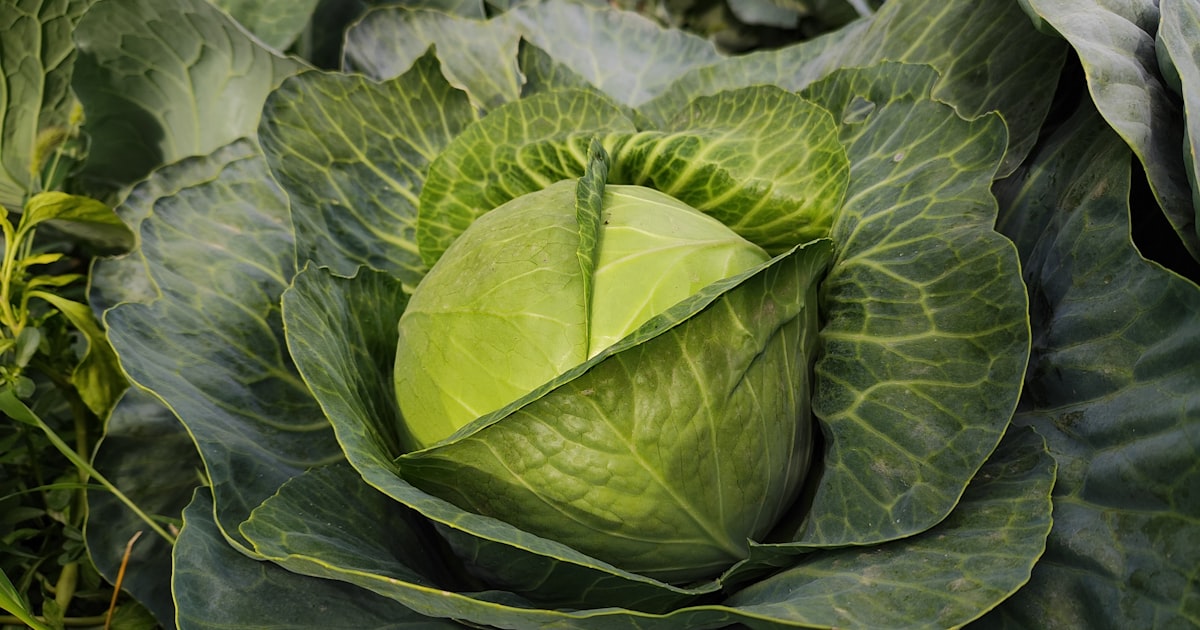
Cabbage does not get the glamour treatment that tomatoes and chillies do. It is not flashy. It is not trendy. But quietly, reliably, and deliciously, cabbage has been feeding gardeners for thousands of years, and it is about time we gave it the respect it deserves.
It is easy to grow, stores brilliantly, and turns into some of the best fermented foods on the planet. Let us dig in.
Quick Facts
| Plant Family | Mustard / Brassica (Brassicaceae) |
| Sun | Full sun (tolerates light shade) |
| Water | Regular, consistent |
| Difficulty | Moderate |
| Time to Harvest | 12 to 16 weeks |
| Companions | Dill, onions, celery, chamomile |
| Avoid Planting Near | Strawberries, tomatoes, climbing beans |
The Cool-Season Star
Cabbage is a cool-season crop through and through. It loves mild temperatures (15 to 20 degrees Celsius is ideal) and can handle light frosts without batting an eye. In fact, a touch of frost can actually improve the flavour by converting some of the starches to sugars.
For most of Australia, the best planting times are:
- Temperate zones: March to May (autumn) for winter harvest, or July to September for spring harvest
- Subtropical: March to August
- Tropical: May to July (dry season)
- Cool climate: February to April, or August to September
Start seeds in trays and transplant out when seedlings have 4 to 5 true leaves, or direct sow if your timing is right.
Choosing Your Varieties
The cabbage aisle is more interesting than you might think.
Sugarloaf has a tall, conical head rather than a round one. It is mild, sweet, and excellent for salads and coleslaw. The looser head means it is less prone to splitting.
Red Cabbage is gorgeous in the garden and on the plate. The deep purple leaves add colour to salads and are brilliant for braising with apple and vinegar. It tends to take a bit longer to mature than green varieties.
Savoy Cabbage has beautifully crinkled, textured leaves that are more tender than smooth varieties. It is the best choice for stuffed cabbage rolls because the leaves are pliable and wrap easily.
Chinese Cabbage (Wombok) is the tall, cylindrical cabbage essential for making kimchi. It grows quickly (8 to 10 weeks) and has a milder, sweeter flavour than round cabbages.
Drumhead is your classic round, firm green cabbage. It stores well, shreds beautifully for sauerkraut, and is the most forgiving variety for beginners.
Planting and Growing
Soil
Cabbage likes rich, well drained soil with a pH of 6.0 to 7.5. The slightly alkaline end of this range actually helps prevent club root, a nasty soil-borne disease that affects all brassicas.
Dig in plenty of compost and aged manure before planting. Cabbage is a heavy feeder, especially for nitrogen.
Spacing
This is important. Spacing directly affects head size.
Give plants 40 to 50 centimetres of space in every direction. Closer spacing produces smaller heads (which is fine if you prefer them), while wider spacing lets each plant develop a full-sized head.
Watering
Consistent moisture is the key to good cabbage. Irregular watering causes heads to split, which looks dramatic and is incredibly annoying.
Water deeply and regularly, and mulch around plants to keep soil moisture even. Drip irrigation works wonderfully for brassicas.
COOL-SEASON PLANTING GUIDE
Know exactly when to plant cabbage in your zone
VeggieCrush gives you a personalised planting calendar so you can time your cabbage perfectly for a winter harvest.
Download the free appFeeding
Side dress with a nitrogen-rich fertiliser (like blood and bone or liquid seaweed) every three to four weeks. Cabbage needs plenty of nitrogen to develop those big, leafy heads.
The Cabbage White Butterfly Problem
If you grow cabbage, you will meet the cabbage white butterfly. Those pretty white butterflies fluttering around your garden are not just being cute. They are laying eggs on your brassica leaves, and the green caterpillars that hatch will munch holes through everything.
Netting Is Best
The single most effective defence is physical exclusion. Cover your brassica beds with fine insect netting (not bird netting, which has gaps too large). This prevents butterflies from landing and laying eggs in the first place.
Support the netting on hoops or a frame so it does not rest directly on the plants. Make sure the edges are sealed to the ground or raised bed sides. No gaps.
Other Control Methods
- Hand picking: Check the undersides of leaves every few days and squash any caterpillars or clusters of yellow eggs.
- Bt spray (Bacillus thuringiensis): An organic biological control that targets caterpillars specifically without harming other insects.
- Companion planting: Strong-smelling plants like dill, rosemary, and sage may help mask the scent of brassicas from butterflies.
- Decoy butterflies: Some gardeners swear by placing white objects (like cut-out butterfly shapes on stakes) near their brassicas. The theory is that cabbage whites are territorial and avoid areas where other butterflies are already active.
Companion Planting
Cabbage has some excellent garden companions.
Dill attracts beneficial insects like hoverflies and parasitic wasps that prey on cabbage caterpillars. It also looks lovely tucked between cabbage plants.
Onions, garlic, and leeks help mask the scent of brassicas from pests. Their strong aroma acts like a natural deterrent.
Celery is said to repel cabbage white butterflies, and the two crops share similar growing conditions.
Chamomile improves the flavour of brassicas (according to old gardening lore) and attracts beneficial insects.
Keep cabbage away from strawberries (they compete for nutrients) and tomatoes (different growing conditions and they can inhibit each other).
Harvesting
Cabbage is ready when the head feels firm and solid when you squeeze it gently. A mature head should feel dense and heavy for its size.
Cut the head at the base with a sharp knife, leaving the outer leaves and root in the ground. Many varieties will sprout several smaller “bonus” heads from the cut stump. These mini cabbages are perfect for salads or stir-fries.
Storage
Whole, unwashed cabbages store remarkably well. Wrap them loosely in newspaper or a damp cloth and keep in the crisper drawer of the fridge. They will hold for 4 to 6 weeks, sometimes longer.
For longer storage, you have two brilliant options.
FROM GARDEN TO KITCHEN
Track your harvest and discover preservation tips
VeggieCrush helps you log your harvest and suggests the best ways to use and preserve your cabbage bounty.
Download the free appMaking Sauerkraut
Sauerkraut is one of the simplest fermented foods you can make, and homegrown cabbage makes the best version.
- Shred a medium cabbage finely
- Toss with 2 tablespoons of sea salt
- Massage and squeeze the cabbage until it releases its liquid (about 5 to 10 minutes)
- Pack tightly into a clean jar, pressing down so the liquid covers the cabbage
- Cover loosely and leave at room temperature for 1 to 4 weeks, tasting along the way
- Refrigerate when it reaches your preferred tang
That is it. Cabbage plus salt plus time equals sauerkraut. It is packed with probiotics and tastes incredible on sandwiches, sausages, and grain bowls.
Making Kimchi
If sauerkraut is the quiet achiever, kimchi is its bold, spicy cousin. Use Chinese cabbage (wombok) as the base, and add garlic, ginger, chilli flakes, fish sauce, and spring onions. The process is similar to sauerkraut but with a lot more flavour going in.
Homemade kimchi from homegrown wombok is one of the most satisfying things you can produce from a garden. It stores in the fridge for months and gets better with age.
Wrapping Up
Cabbage is the quiet hero of the cool-season garden. It is reliable, productive, versatile in the kitchen, and stores better than almost any other vegetable. Whether you eat it raw in coleslaw, braised slowly with butter, or fermented into sauerkraut, it is a crop that delivers real value from every plant.
Get some seedlings in the ground this autumn and discover why this humble brassica has been a garden staple for generations. Happy growing.
Get the VeggieCrush App
Join thousands of Aussie gardeners growing better with personalised planting reminders, pest alerts, and expert advice.


Free to download on iOS and Android. No credit card required