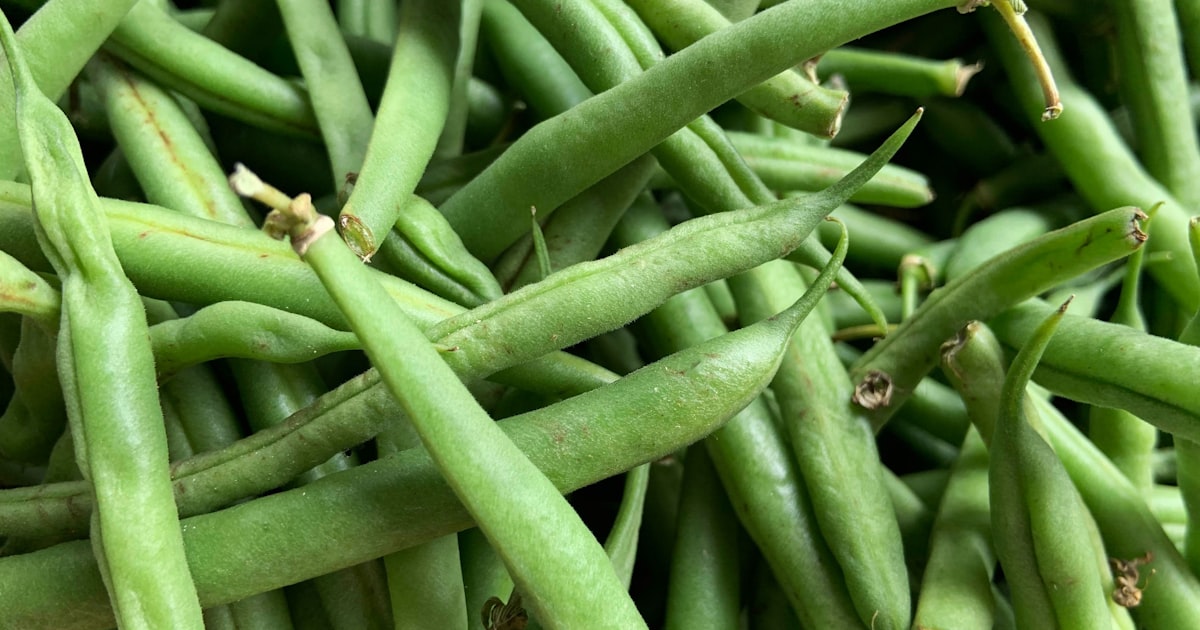
If you want a veggie that goes from seed to plate fast, rewards you with armfuls of produce, and actually improves your soil while it grows, bush beans are your answer. They are one of the simplest, most satisfying crops you can grow, and they are perfectly suited to Australian conditions.
Quick Facts
| Family | Fabaceae (Legume family) |
| Sun | Full sun |
| Water | Moderate |
| Difficulty | Easy |
| Time to Harvest | 8 to 10 weeks |
| Plant Size | 30 to 50cm tall |
| Spacing | 10 to 15cm apart, rows 40 to 50cm apart |
Why Bush Beans Rock
Bush beans are compact, self-supporting plants that do not need stakes or trellises (unlike their climbing cousins). They grow quickly, produce heavily, and then you can pull them out and plant something else. They are the perfect crop for impatient gardeners, kids, and anyone who wants a quick win.
And here is the best bit: as legumes, bush beans have a special relationship with soil bacteria that allows them to “fix” nitrogen from the air into the soil. This means they actually leave your soil better than they found it. What a legend of a plant.
Bush Beans vs Climbing Beans
Quick comparison so you know what you are getting into:
| Bush Beans | Climbing Beans | |
|---|---|---|
| Height | 30 to 50cm | 2 to 3 metres |
| Support needed | None | Trellis or stakes |
| Harvest period | 3 to 4 weeks | 6 to 8 weeks |
| Space | Compact | Needs vertical space |
| Best for | Quick harvests, small gardens | Extended harvest, vertical gardens |
Bush beans give you a concentrated burst of beans over a few weeks, which is great for succession planting. Climbing beans produce fewer beans at a time but keep going for longer.
Popular Varieties for Australian Gardens
Green Beans (French Beans)
The classic. Slender, tender, and versatile. Varieties like ‘Tendergreen’, ‘Strike’, and ‘Provider’ are reliable performers.
Butter Beans (Yellow Wax Beans)
Same growing style, but with beautiful golden yellow pods. Slightly milder flavour. ‘Cherokee Wax’ is a popular choice.
Purple King
Stunning deep purple pods that turn green when cooked (a fun trick for kids). Same easy growing habits as green beans.
How to Grow Bush Beans
The Golden Rule: Direct Sow Only
This is important. Bush beans hate being transplanted. Their roots are sensitive and they really do not like being disturbed. Always sow seeds directly where they will grow. No seed trays, no punnets, no transplanting. Straight into the ground or container.
When to Plant
Bush beans are warm season crops. They need soil temperatures of at least 18 degrees Celsius to germinate well. In most of Australia, that means:
- Tropical/Subtropical: Most of the year (avoid the wettest months)
- Temperate: September to February
- Cool climates: October to January
PERFECT TIMING
Know exactly when to plant beans in your area
VeggieCrush gives you personalised planting calendars based on your location, so you never sow too early or too late.
Download the free appSowing
- Push seeds about 3 to 5cm deep into the soil, spaced 10 to 15cm apart.
- Water gently after planting.
- Seeds should germinate in 7 to 10 days.
- Thin seedlings if they are too close together (though beans are pretty forgiving about spacing).
Soil
Bush beans prefer well-drained soil with a pH of 6.0 to 7.0. They are not heavy feeders, so you do not need to add much fertiliser. In fact, too much nitrogen can result in lots of leaves but few beans.
A bit of compost worked into the soil before planting is all they need.
Watering
Keep the soil evenly moist, especially once flowers appear. Inconsistent watering during flowering can cause pods to drop or develop poorly. Water at the base of the plants rather than overhead to reduce the risk of fungal issues.
Feeding
Here is the thing: because beans fix their own nitrogen, they really do not need much feeding. A light side dressing of compost halfway through the season is plenty. Avoid high-nitrogen fertilisers, as they encourage leaf growth at the expense of beans.
The Magic of Succession Planting
Bush beans produce a heavy flush of pods over about 3 to 4 weeks and then they are pretty much done. Rather than planting one big crop and being overwhelmed with beans for a fortnight, try succession planting.
Sow a new batch of seeds every 3 weeks from early spring through to mid-summer. This way, you have a fresh supply of beans coming through regularly, rather than a feast or famine situation.
Companion Planting
Bush beans are excellent team players. Great companions include:
- Corn: Classic “Three Sisters” pairing (though that traditionally uses climbing beans)
- Cucumbers: Beans provide nitrogen, cucumbers appreciate it
- Potatoes: They get along well and do not compete for the same nutrients
- Carrots and beetroot: Good use of space between bean rows
- Marigolds: Help deter pests
Avoid planting near: Onions, garlic, chives, and fennel. Alliums tend to inhibit bean growth.
SMART COMPANIONS
Pair your plants perfectly
VeggieCrush takes the guesswork out of companion planting, showing you the best matches for every veggie in your patch.
Download the free appHarvesting
This is the fun part. Start picking beans when the pods are about 10 to 15cm long, firm, and snap cleanly when you bend them. If you can see the beans bulging through the pod, you have left them a little too long (they will still be edible, just tougher).
The more you pick, the more they produce. This is the golden rule of bean harvesting. If you leave mature pods on the plant, it thinks its job is done and stops producing. Pick regularly (every 2 to 3 days) and the plant keeps flowering and setting new beans.
Dealing with Pests and Problems
Bush beans are generally trouble free, but watch for:
- Aphids: Check the undersides of leaves. Blast them off with water or use soapy water spray.
- Bean fly: Small flies that lay eggs in stems, causing wilting. Remove and destroy affected plants. Healthy, well-fed plants are more resistant.
- Powdery mildew: White powdery coating on leaves, usually in humid weather. Improve air circulation and avoid overhead watering.
- Snails and slugs: They love young seedlings. Protect new plantings with barriers or iron-based pellets.
Storage and Freezing
Fresh beans are best eaten within a few days of picking. Store them unwashed in a container in the fridge for up to a week.
Got a glut? Beans freeze brilliantly.
- Wash and trim the ends.
- Blanch in boiling water for 2 to 3 minutes.
- Plunge into ice water to stop the cooking.
- Pat dry, spread on a tray, and freeze until solid.
- Transfer to freezer bags. They will keep for up to 12 months.
After the Harvest: Boost Your Soil
When your bean plants are finished producing, do not pull them out and throw them in the bin. Cut the plants off at ground level and leave the roots in the soil. Those roots are full of nitrogen-fixing nodules that will break down and release nutrients for whatever you plant next. It is like a free dose of fertiliser.
Then toss the leafy tops into the compost pile. Nothing wasted.
The Bottom Line
Bush beans are fast, easy, generous, and they leave your soil in better shape than they found it. Whether you have a big backyard or a few pots on the balcony, there is room for bush beans in your garden. Plant some, pick often, and enjoy that satisfying snap of a freshly picked bean. It never gets old.
Get the VeggieCrush App
Join thousands of Aussie gardeners growing better with personalised planting reminders, pest alerts, and expert advice.


Free to download on iOS and Android. No credit card required