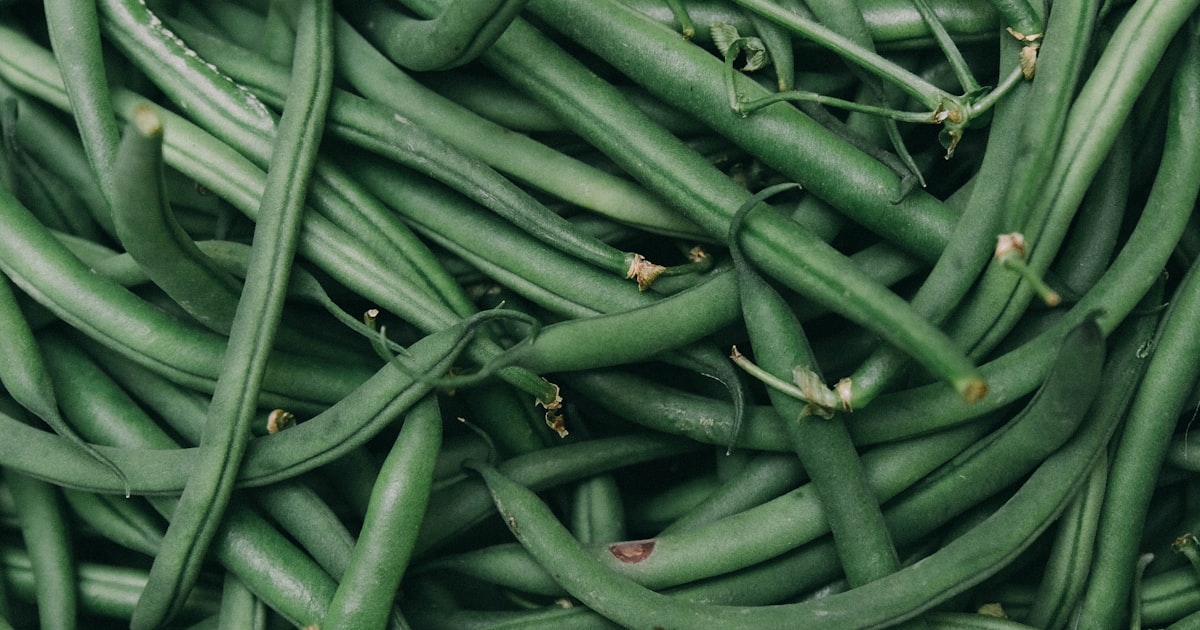
While most of the garden is winding down for winter, broad beans are just getting started. These tough, reliable legumes are the backbone of the cool-season veggie patch, and if you are not growing them yet, you are missing out on one of the easiest wins in Australian gardening.
They feed you. They feed the soil. And they look pretty good doing it. Let us get into it.
Quick Facts
| Plant Family | Legume (Fabaceae) |
| Sun | Full sun |
| Water | Moderate |
| Difficulty | Easy |
| Time to Harvest | 14 to 18 weeks |
| Companions | Potatoes, brassicas, carrots, lettuce |
| Avoid Planting Near | Onions, garlic, fennel |
The Ultimate Winter Crop
Broad beans are one of the few crops that genuinely love the cold. They handle frosts, they shrug off chilly winds, and they actually grow better in cool conditions than warm ones. For most of Australia, the planting window runs from March through July, depending on your zone.
In warmer regions like coastal Queensland, you can get them in as early as March. Down in Victoria, Tasmania, and the cooler parts of New South Wales, April to June is the sweet spot. The goal is to get them established before the coldest months, then watch them power through winter and reward you with pods in spring.
Planting
Broad beans are direct sown. No need for seed trays or transplanting. Just push each seed about 5 centimetres deep into well prepared soil, spacing them 15 to 20 centimetres apart in rows about 40 centimetres apart.
They are not fussy about soil, but they do appreciate good drainage. If your soil is heavy clay, mound your rows slightly to keep water from pooling around the stems.
One of the best things about broad beans is that they do not need rich soil. In fact, too much nitrogen in the soil can work against you, because these clever plants make their own.
Nitrogen Fixing: The Soil Superpower
Here is where broad beans really earn their keep. Like all legumes, they have a special relationship with bacteria called rhizobia that live on their roots. These bacteria capture nitrogen from the air and convert it into a form plants can use.
This means broad beans literally improve your soil while they grow. When you are done harvesting, cut the plants off at ground level and leave the roots in the soil. All that stored nitrogen gets released as the roots break down, giving the next crop a natural fertility boost.
This is why broad beans are the perfect crop to grow before nitrogen hungry plants like brassicas or leafy greens. It is crop rotation working at its finest.
WINTER GARDEN PLANNING
Make the most of the cool season
VeggieCrush helps you plan what to grow in winter, including broad beans and their best companions, tailored to your climate zone.
Download the free appSupporting Tall Plants
Broad bean plants can reach 1 to 1.5 metres tall, and once they are loaded with pods, they get top heavy. Without support, they will flop over, especially after rain or wind.
The easiest method is to hammer a stake at each end of the row and run string or twine along both sides at about 40 centimetres and 80 centimetres high. This creates a “corridor” that keeps the plants upright without needing to tie each one individually.
For smaller plantings, a simple bamboo tepee or individual stakes work fine. Just get the supports in early so you are not wrestling with floppy plants later.
The Black Aphid Problem (and How to Beat It)
If there is one pest that loves broad beans, it is the black bean aphid. These little blighters cluster on the growing tips and tender new growth, sucking sap and making a mess.
Here is the good news: the fix is dead simple. Pinch out the growing tips once the plants have set a good number of flowers (usually when the lowest pods are about 5 centimetres long). This removes the aphids’ favourite feeding spot and redirects the plant’s energy into filling out its pods.
If aphids arrive before you are ready to pinch, a strong jet of water knocks them off. Ladybirds and hoverfly larvae are also excellent aphid predators, so encourage beneficial insects into your garden.
Companion Planting
Broad beans play well with quite a few garden mates.
Potatoes are a classic partner. The beans fix nitrogen that potatoes appreciate, and the two crops do not compete much for space or nutrients.
Brassicas (planted after the beans) benefit hugely from the nitrogen left behind in the soil.
Carrots and lettuce can be interplanted between rows of broad beans, making good use of the space while the beans grow tall.
Keep broad beans away from onions and garlic. Alliums and legumes are not great neighbours, as they can inhibit each other’s growth.
Harvesting
This is where personal preference comes in, because broad beans are delicious at several stages.
Young and small (pods about 8 centimetres long): Pick them whole and cook like sugar snap peas. The entire pod is tender and sweet at this stage.
Medium (beans visible but not bulging): The classic stage for fresh eating. Shell them out and cook briefly. Beautiful bright green colour and buttery texture.
Mature (pods fat and bulging): The beans are larger and starchier. Still good, but the skins on each individual bean get tougher. This is where double-peeling comes in.
The Double-Peel Method
For the absolute best flavour and texture, especially with larger beans, double-peel them. First, shell the beans from the pod. Then blanch them in boiling water for 60 seconds, drain, and plunge into cold water. The tough outer skin of each bean will slip off easily, revealing a brilliant green, incredibly tender bean inside.
It is a bit of extra work, but the result is so good it converts people who think they do not like broad beans.
NEVER MISS A HARVEST
Get reminders when your broad beans are ready to pick
VeggieCrush tracks your planting dates and sends harvest alerts so you pick at the perfect moment.
Download the free appDrying for Storage
If you end up with a glut (and you probably will), let some pods dry on the plant until they are brown and papery. Shell out the dried beans and store them in an airtight container. They will keep for months and are brilliant in soups, stews, and slow cooked dishes.
You can also save dried beans as seed for next year’s crop. Just pick the best looking pods from your healthiest plants and store them somewhere cool and dry.
Cooking Ideas
Simple and stunning: Blanch, double-peel, toss with good olive oil, lemon juice, crumbled feta, and fresh mint. That is a side dish that steals the show.
Broad bean bruschetta: Mash peeled beans with garlic, lemon, and ricotta. Spread on toasted sourdough. Drizzle with olive oil. Chef’s kiss.
Risotto: Stir peeled broad beans through a simple lemon risotto in the last few minutes of cooking. The colour is gorgeous.
Classic combination: Broad beans and bacon. Fry some bacon until crispy, add blanched beans, toss together. Sometimes the classics are classic for a reason.
Wrapping Up
Broad beans are the kind of crop that makes winter gardening feel worthwhile. They are easy to grow, they feed the soil, they taste incredible, and they keep producing for weeks. If your garden sits empty over the cooler months, this is the plant to change that.
Get some seeds in the ground this autumn. Future you, standing in the garden in spring with a bowl full of bright green beans, will be very glad you did. Happy growing.
Get the VeggieCrush App
Join thousands of Aussie gardeners growing better with personalised planting reminders, pest alerts, and expert advice.


Free to download on iOS and Android. No credit card required