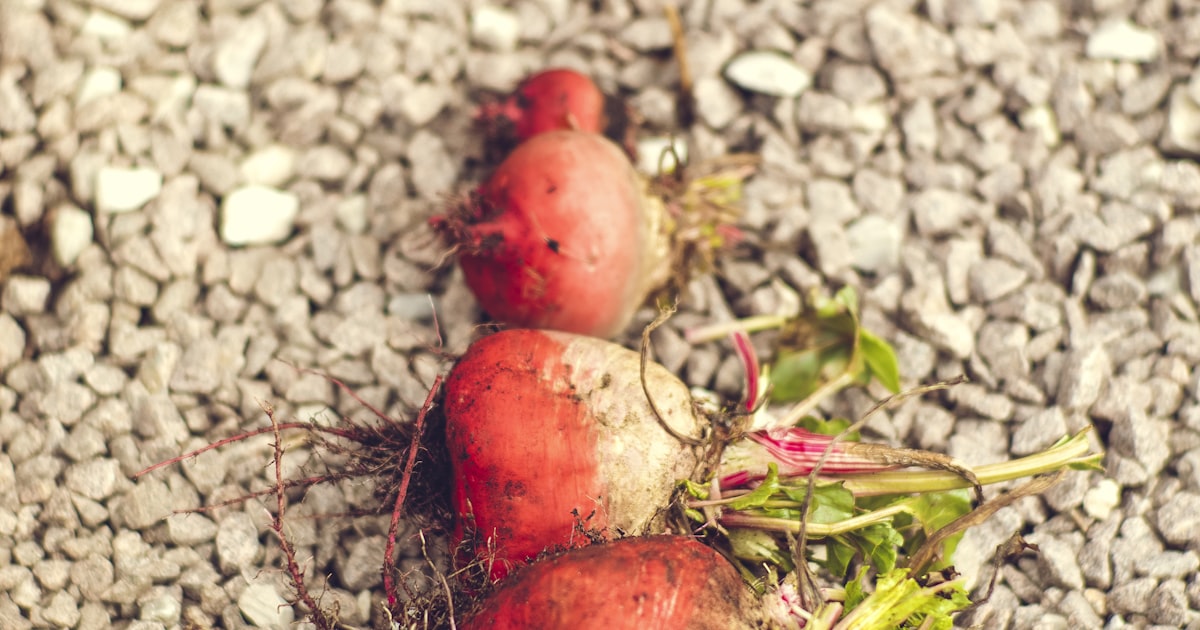
Beetroot is one of those vegetables that people either grew up loving or are just discovering how brilliant it is. Roasted with a drizzle of olive oil, grated raw into salads, blended into hummus, or even smuggled into a chocolate cake (yes, really). And the best part? It is ridiculously easy to grow in Australian conditions.
Let us walk you through everything you need to know.
Quick Facts
| Detail | Info |
|---|---|
| Family | Amaranth (Amaranthaceae) |
| Sun | Full sun (tolerates light shade) |
| Water | Moderate, consistent |
| Difficulty | Easy |
| Weeks to Harvest | 8-12 weeks |
| Best Season | Autumn, winter, spring |
The Seed Secret
Here is something that trips up first-time beetroot growers: each beetroot “seed” is not actually a single seed. It is a cluster of 2 to 4 seeds wrapped in a corky little shell. That means even if you carefully space your seeds, you are going to get multiple seedlings popping up in each spot.
This is totally normal. You just need to thin them out (more on that in a moment).
Soaking Before Planting
Beetroot seeds have that tough outer coating, which means they can be slow to germinate. A simple trick: soak them in warm water for about 2 to 4 hours before planting. Some gardeners go overnight, but a few hours is enough. This softens the coating and speeds up germination by several days.
How to Plant
- Sow direct. Beetroot does not love being transplanted. Sow seeds directly into garden beds or large pots.
- Depth and spacing. Plant seeds about 2cm deep and 5cm apart. Rows should be about 25-30cm apart.
- Water gently. Give them a good drink after planting and keep the soil moist (not waterlogged) until they sprout.
- Germination. Expect seedlings in 7 to 14 days, depending on soil temperature.
Thinning: The Step Everyone Skips
Because each “seed” produces multiple seedlings, you will end up with little clusters of baby beetroots. If you leave them all, they will compete for space and you will get a bunch of tiny, misshapen roots.
When seedlings are about 5cm tall, thin each cluster to the strongest single seedling. Just snip the extras at soil level with scissors rather than pulling them out, which can disturb the roots of the one you are keeping.
And here is the good news: those baby thinnings are edible. Toss them into a salad. They are gorgeous.
PERFECT TIMING
Know exactly when to sow beetroot in your area
VeggieCrush uses your location to tell you the best planting windows for beetroot and every other veggie in your garden.
Download the free appGrowing Conditions
Soil
Beetroot likes loose, well-drained soil. If your soil is heavy clay, loosen it up with compost and aged manure before planting. Rocky or compacted soil will cause the roots to grow lumpy and forked, which is not the end of the world but is less satisfying to harvest.
Sun
Full sun is ideal, but beetroot will tolerate a bit of afternoon shade, especially in warmer regions. In tropical areas, growing in partial shade during the warmer months can actually help.
Water
Consistent moisture is key. Irregular watering causes the roots to become tough and woody, or to crack. A good layer of mulch (sugar cane or pea straw) will help keep soil moisture even.
Feeding
Beetroot is not a heavy feeder, but it appreciates a side dressing of compost or a liquid feed with seaweed solution every few weeks. Go easy on the nitrogen, though. Too much nitrogen means lush leaves and wimpy roots.
When to Grow
Beetroot is a cool-season champion. Here is a rough guide by climate:
- Temperate zones (Melbourne, Adelaide, Perth): Sow autumn through spring. Avoid the hottest summer months.
- Subtropical (Sydney, Brisbane): Sow March to September. Winter is your sweet spot.
- Tropical (Cairns, Darwin): Sow April to August during the dry season.
- Cool climate (Hobart, highlands): Sow September to March. The cool summers are actually perfect.
Harvesting
This is the exciting bit. You can start harvesting beetroot when the roots are about golf-ball size, usually around 8 weeks. At this stage they are incredibly tender and sweet. You can also leave them to grow larger (up to cricket-ball size), but they can become a bit woody and less sweet if you leave them too long.
To harvest, gently loosen the soil around the root with a fork and pull it up. Twist off the leaves about 3cm above the root (do not cut them, as this causes the beetroot to “bleed” and lose its colour).
Do Not Throw Away the Leaves
Beetroot greens are genuinely delicious. They taste a bit like silverbeet (which makes sense, as they are closely related). Saute them with garlic and a squeeze of lemon, wilt them into pasta, or use young leaves raw in salads.
Growing beetroot and throwing away the greens is like buying a car and never using the radio. You are missing out.
HARVEST REMINDERS
Never leave your beetroot in the ground too long
VeggieCrush tracks your planting dates and nudges you when it is time to harvest, so your beetroot is always at peak deliciousness.
Download the free appVarieties to Try
The classic deep red beetroot is lovely, but there is a whole world of colour out there.
- Detroit Dark Red: The standard. Reliable, deep red, sweet flavour. Great all-rounder.
- Bull’s Blood: Deep red roots and stunning dark purple leaves. Looks amazing in the garden.
- Golden Beetroot: Bright yellow flesh that does not stain your hands (or your chopping board). Mild, sweet flavour.
- Chioggia: Also called candy stripe beetroot. Slice it open and you get gorgeous pink and white concentric rings. Best eaten raw or very lightly cooked to preserve the pattern.
- Cylindra: A cylindrical shape rather than round. Brilliant for slicing into even rounds.
Common Problems
Woody Roots
Usually caused by leaving them in the ground too long, inconsistent watering, or not enough soil moisture. Harvest on time and water regularly.
Bolting
If beetroot experiences cold temperatures followed by warming, it can bolt (send up a flower stalk) before the root is ready. This is more common in spring plantings. Choose bolt-resistant varieties if this is an issue.
Leaf Miners
These little pests tunnel through the leaves, creating pale, winding trails. They do not usually affect the root, but heavy infestations can weaken the plant. Remove and bin affected leaves (do not compost them).
The Bottom Line
Beetroot is one of the easiest, most rewarding root vegetables you can grow. It is forgiving, it is fast, and it gives you both a gorgeous root and edible greens. Whether you roast it, grate it raw into a salad, or sneak it into baking, there is something deeply satisfying about pulling a beetroot out of the soil you grew it in.
Give it a go. You will not regret it.
Get the VeggieCrush App
Join thousands of Aussie gardeners growing better with personalised planting reminders, pest alerts, and expert advice.


Free to download on iOS and Android. No credit card required