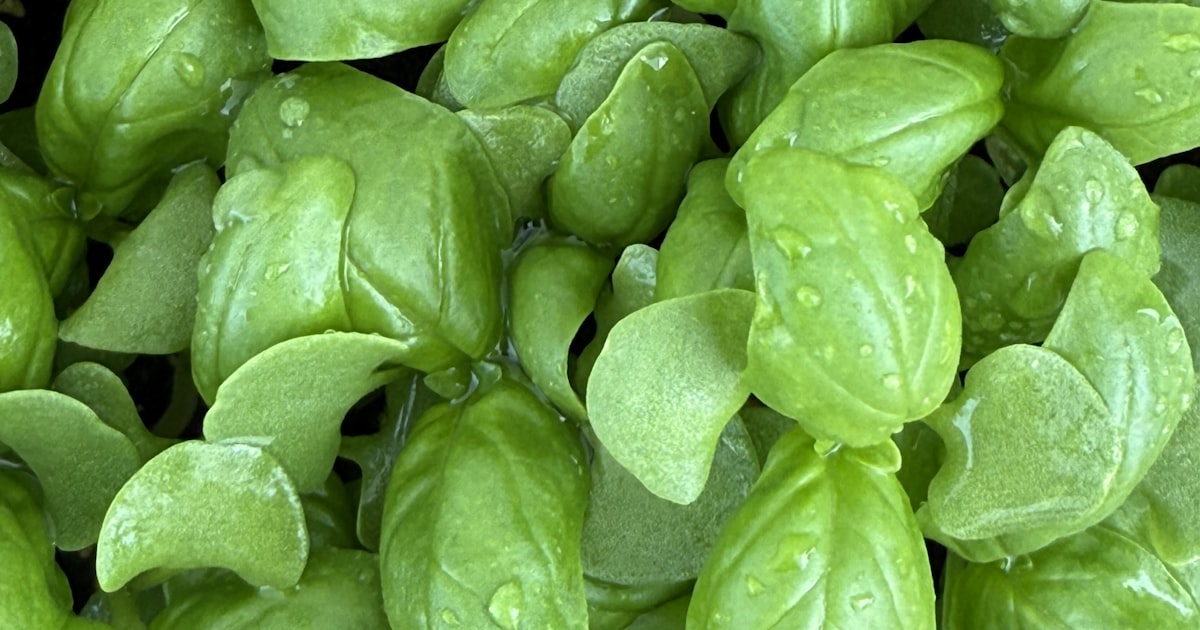
If you could only grow one herb for the rest of your life, basil would be a very strong contender. It smells incredible, tastes even better, grows quickly, and goes with practically everything. From pesto to pizza, Thai curries to caprese salad, basil earns its place in every kitchen garden.
And the best part? It is genuinely easy to grow, especially in Australian conditions where we have plenty of the warmth and sunshine that basil absolutely loves.
Quick Facts
| Family | Mint (Lamiaceae) |
| Difficulty | Easy |
| Sun | Full sun (6+ hours) |
| Water | Regular, consistent moisture |
| Time to Harvest | 8 to 12 weeks from seed |
| Best Containers | Yes, excellent in pots |
| Companions | Tomatoes, capsicums, chillies |
When to Plant
Basil is a warm-season herb that does not tolerate cold at all. Even a mild frost will kill it overnight. Patience is key; wait until the weather has properly warmed up before planting.
| Climate Zone | Best Planting Time |
|---|---|
| Tropical | Year-round (avoid the wettest weeks) |
| Subtropical | September to March |
| Arid | September to February |
| Temperate | October to February |
| Cool | November to January |
If you are keen to get an early start, sow seeds indoors in a warm, sunny spot about four to six weeks before your last expected frost. Transplant outside once overnight temperatures are consistently above 10 degrees.
How to Grow
Starting from Seed
- Fill a pot or seed tray with quality seed-raising mix.
- Sow seeds about 5mm deep and 2cm apart.
- Water gently and keep the soil consistently moist.
- Place in a warm spot (basil likes soil temperatures of 20 degrees or above for germination).
- Seeds should sprout in 7 to 14 days.
- Once seedlings have two pairs of true leaves, transplant into larger pots or garden beds, spacing 20 to 30cm apart.
Starting from Seedlings
Buy a punnet from the nursery or even a potted basil from the supermarket. Transplant into a larger pot or garden bed. Supermarket basil is usually a bunch of seedlings crammed into one tiny pot, so gently separate them and plant them individually for best results.
The Art of Pinching
This is the single most important technique for growing bushy, productive basil. If you only remember one thing from this article, make it this.
How it works: When your basil plant has 3 to 4 pairs of leaves, pinch or snip off the top growth just above a leaf pair. This encourages the plant to branch out from that point, producing two new stems where there was one.
Keep doing it. Every time a stem gets 3 to 4 new leaf pairs, pinch the top again. Each pinch doubles the number of growing tips, turning a single-stemmed plant into a bushy, leafy powerhouse.
What happens if you do not pinch? The plant grows tall and lanky with fewer leaves, then flowers and goes to seed quickly. Flowering signals the plant to stop producing flavourful leaves. Pinching delays flowering and keeps the good leaves coming.
GROWING BASIL?
Get timely care reminders from VeggieCrush
The app sends you pinching reminders, watering schedules, and harvest alerts so your basil stays bushy and productive all season.
Download the free appCommon Problems and Fixes
Cold Damage
Basil hates the cold. Temperatures below 10 degrees cause leaves to turn black and wilt. If a cool snap is forecast, bring container plants indoors or cover garden plants with a frost cloth.
Prevention: Do not plant too early in the season. Wait until the cold has properly passed.
Bolting (Flowering)
When basil starts producing flower spikes, it is putting its energy into reproduction rather than leaf production. The leaves become smaller and less flavourful.
Prevention: Regular pinching is your best defence. When you see flower buds forming, pinch them off immediately. Do not let them open if you want to keep harvesting leaves.
Yellowing Leaves
Usually caused by overwatering, nutrient deficiency, or cold temperatures.
Fix: Check your watering (the soil should be moist but not soggy), feed with a liquid fertiliser, and make sure the plant is in a warm enough spot.
Aphids and Other Pests
Basil can attract aphids, especially if it is stressed or overfed with nitrogen.
Fix: Blast them off with water, use a diluted soap spray, or introduce beneficial insects like ladybirds.
Companion Planting
Basil and tomatoes are the classic companion planting duo, and for good reason. They enjoy the same growing conditions (full sun, warm temperatures, regular water) and many gardeners believe that basil helps improve the flavour of tomatoes grown nearby.
Beyond tomatoes, basil is a good companion for:
- Capsicums and chillies (same growing requirements)
- Lettuce (basil can provide light shade for lettuce in summer)
- Beans
Keep basil away from sage and rue, which are said to inhibit its growth.
Different Types of Basil
Sweet basil (Genovese) is the most common type, but there is a whole world of basil varieties available in Australia.
Sweet Basil. The classic. Large, bright green leaves with that unmistakable aroma. The go-to for Italian dishes and pesto.
Thai Basil. Sturdier leaves with a slightly anise flavour. Essential for Thai and Vietnamese cooking. More heat-tolerant than sweet basil.
Purple Basil. Beautiful dark purple leaves. Slightly more peppery flavour. Gorgeous in salads and as a garnish. Makes a stunning deep pink vinegar when steeped.
Lemon Basil. Bright citrus aroma. Lovely in teas, salads, and with fish dishes.
Greek Basil. Compact, small-leafed variety that forms neat mounds. Perfect for containers and borders.
Harvesting and Preserving
Fresh Harvesting
Harvest basil by pinching or cutting stems just above a leaf pair. This doubles as your pinching routine, so you are harvesting and promoting bushier growth at the same time. Never strip a plant of more than a third of its leaves at once.
Preserving the Harvest
When your basil is producing more than you can use fresh, here are some ways to preserve it.
Pesto. Blend basil leaves with olive oil, garlic, pine nuts (or cashews), and parmesan. Freeze in ice cube trays for easy portions throughout winter.
Freezing. Chop leaves and freeze in ice cube trays covered with olive oil. Pop a cube straight into the pan when cooking.
Drying. Hang bunches upside down in a warm, airy spot. Dried basil loses a lot of its flavour compared to fresh, but it is still useful in cooked dishes.
LOVE FRESH HERBS?
Build your herb garden with VeggieCrush
Track all your herbs in one place, with variety-specific care guides, seasonal planting reminders, and harvesting tips.
Download the free appThe Bottom Line
Basil is rewarding, productive, and endlessly useful in the kitchen. Give it sunshine, warmth, regular water, and a good pinch now and then. It will pay you back with handfuls of fragrant leaves all season long.
If you are growing it for the first time, start with a single pot of sweet basil in the sunniest spot you have. Once you experience that moment of tearing off a fresh leaf, breathing in the scent, and dropping it into your dinner, you will understand why gardeners love this herb so much. It is pure joy in a leaf.
Get the VeggieCrush App
Join thousands of Aussie gardeners growing better with personalised planting reminders, pest alerts, and expert advice.


Free to download on iOS and Android. No credit card required