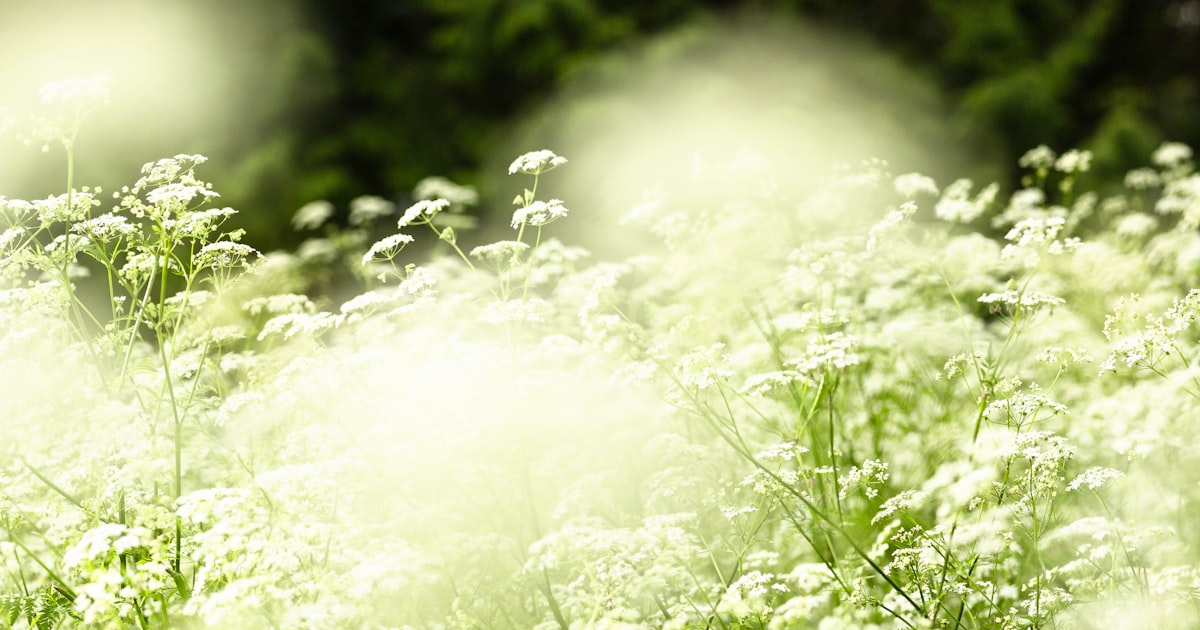
If we had to pick one single flower that does the most for a veggie garden with the least effort, it would be alyssum. This tiny, low-growing, sweetly scented flower is the absolute champion of attracting beneficial insects. Hoverflies, lacewings, parasitic wasps, and ladybirds all flock to it. And where those beneficials go, aphids, caterpillars, and other pests have a very hard time.
Alyssum is the quiet hero of the companion planting world, and this is its well-deserved moment in the spotlight.
Quick Facts
| Family | Brassicaceae (Mustard/Brassica family) |
| Sun | Full sun to partial shade |
| Water | Low |
| Difficulty | Easy |
| Time to Flower | 6 to 8 weeks from seed |
| Plant Type | Annual (self-seeding) |
The Beneficial Insect Magnet
This is where alyssum truly shines. Its clusters of tiny flowers produce easily accessible nectar and pollen that is perfectly suited to small beneficial insects. We are talking about the good guys: the predators and parasitoids that keep pest populations under control naturally.
Here is who alyssum attracts:
- Hoverflies. The adults feed on alyssum nectar. Their larvae are voracious aphid eaters, consuming hundreds of aphids during their development.
- Lacewings. Another nectar-loving adult whose larvae (sometimes called “aphid lions”) devour aphids, mites, and other soft-bodied pests.
- Parasitic wasps. Tiny, non-stinging wasps that lay eggs inside pest insects like caterpillars and aphids. The wasp larvae consume the pest from the inside. Brutal but effective.
- Ladybirds. Both adults and larvae eat aphids, mealybugs, and scale insects.
Research from Australian universities and agricultural organisations has consistently shown that having alyssum growing near crops significantly reduces pest pressure. It is one of the most well-studied companion planting relationships we have.
Growing Alyssum
Growing alyssum is about as easy as gardening gets. If you can scatter seeds and water occasionally, you can grow alyssum.
When to Sow
Alyssum grows best in the cooler months in most of Australia but can handle a wide range of conditions:
- Temperate areas: Sow autumn through spring. It handles light frost and mild summer heat.
- Subtropical areas: Sow autumn through winter for the best results.
- Tropical areas: Sow in the dry/cool season.
- Arid areas: Sow in autumn when temperatures moderate.
In many areas, alyssum will flower almost year-round once established, especially if temperatures stay below about 30 degrees.
How to Sow
- Scatter seeds over prepared soil or even directly onto the surface of garden beds. The seeds are tiny and need light to germinate, so do not bury them deeply.
- Press seeds gently into the soil surface or cover with the thinnest possible layer of fine soil.
- Keep moist until germination, which takes about 7 to 14 days.
- Thin seedlings to about 15 to 20 cm apart, or let them form a dense carpet (which is the whole point, really).
Care
- Water: Low. Once established, alyssum is quite drought tolerant. It may look a bit sad in very dry spells but bounces back quickly with a drink.
- Feeding: None needed. Average garden soil is perfect.
- Pruning: If plants get leggy or stop flowering heavily in summer heat, trim them back by about one third. They will flush with new growth and flowers when conditions improve.
BUILD YOUR GARDEN'S ECOSYSTEM
Attract beneficial insects naturally
VeggieCrush helps you plan where to place alyssum and other beneficial insect plants throughout your garden for natural, chemical-free pest management.
Download the free appVarieties
Sweet alyssum (Lobularia maritima) comes in several colours:
- White (like ‘Carpet of Snow’): The classic. Clean, bright, and arguably the best for beneficial insect attraction.
- Purple (like ‘Royal Carpet’): Deep violet flowers that look stunning as edging.
- Pink (like ‘Rosie O’Day’): Soft pink that pairs beautifully with other garden flowers.
- Mixed: Seed packets with a blend of all colours.
All varieties are equally effective at attracting beneficials. Choose based on the look you want.
Where to Plant Alyssum
The short answer? Everywhere. The more alyssum you have scattered through your garden, the better your natural pest control will be.
Here are the best spots:
- Edging veggie beds. A border of alyssum around every raised bed or garden row creates a living insect habitat right next to your crops.
- Underplanting tall crops. Tuck alyssum under tomatoes, capsicums, eggplant, and corn. It acts as a living mulch, suppressing weeds and attracting beneficials right where you need them.
- Around fruit trees. Plant a carpet of alyssum under the canopy of fruit trees. It loves the dappled shade and brings in pollinators and predatory insects.
- In pots and hanging baskets. Alyssum spills beautifully over edges and brings beneficials to your patio and balcony gardens.
- Along pathways. Alyssum handles light foot traffic and releases its sweet honey scent when brushed. Planting it along paths makes every walk through the garden a fragrant experience.
Self-Seeding: Plant Once, Enjoy Forever
Alyssum self-seeds with enthusiasm. Once you establish it in your garden, it will pop up year after year in all sorts of spots. Some will be exactly where you want them, and some will surprise you. Pull out any that are in the way (they come out easily) and let the rest create that beautiful, slightly wild, buzzing-with-life look that characterises the best veggie gardens.
Over time, your garden develops a permanent population of alyssum that requires zero effort from you. It is the ultimate set-and-forget companion plant.
The Living Mulch
Beyond attracting beneficials, alyssum works as a living mulch. Its low, spreading growth habit:
- Shades the soil surface, keeping roots cool and reducing moisture evaporation
- Suppresses weeds by covering bare ground
- Adds organic matter to the soil as older plants decompose
- Creates habitat for ground-dwelling beneficial insects like ground beetles and spiders
GROW WITH NATURE, NOT AGAINST IT
Create a thriving garden ecosystem
VeggieCrush helps you build biodiversity into your garden with companion plants like alyssum, so your whole patch becomes healthier, more resilient, and more productive.
Download the free appA Celebration of Growing with Nature
Alyssum is the perfect plant to end this companion planting series on, because it embodies everything that makes gardening with nature so rewarding. It is small, humble, and easy to overlook. But plant it everywhere, step back, and watch what happens. Bees arrive. Hoverflies hover. Lacewings drift through. Ladybirds patrol. Your pest problems shrink. Your garden buzzes with life.
This is what gardening is really about. Not fighting nature, but inviting it in. Not spraying and controlling, but planting and welcoming. Every alyssum flower is a tiny landing pad for an insect that will help your garden thrive.
The more biodiversity you build into your garden, the less work you have to do and the more productive it becomes. That is the beautiful paradox of ecological gardening: do less, grow more.
The Bottom Line
Alyssum is cheap, easy, beautiful, fragrant, and possibly the single most effective beneficial insect attractor you can grow. Scatter it everywhere. Let it self-seed. Let it carpet your garden in tiny white, purple, and pink flowers. Let it bring in the army of tiny predators that will keep your veggie garden healthy without a single drop of spray.
Plant alyssum, and let nature do the rest.
Get the VeggieCrush App
Join thousands of Aussie gardeners growing better with personalised planting reminders, pest alerts, and expert advice.


Free to download on iOS and Android. No credit card required