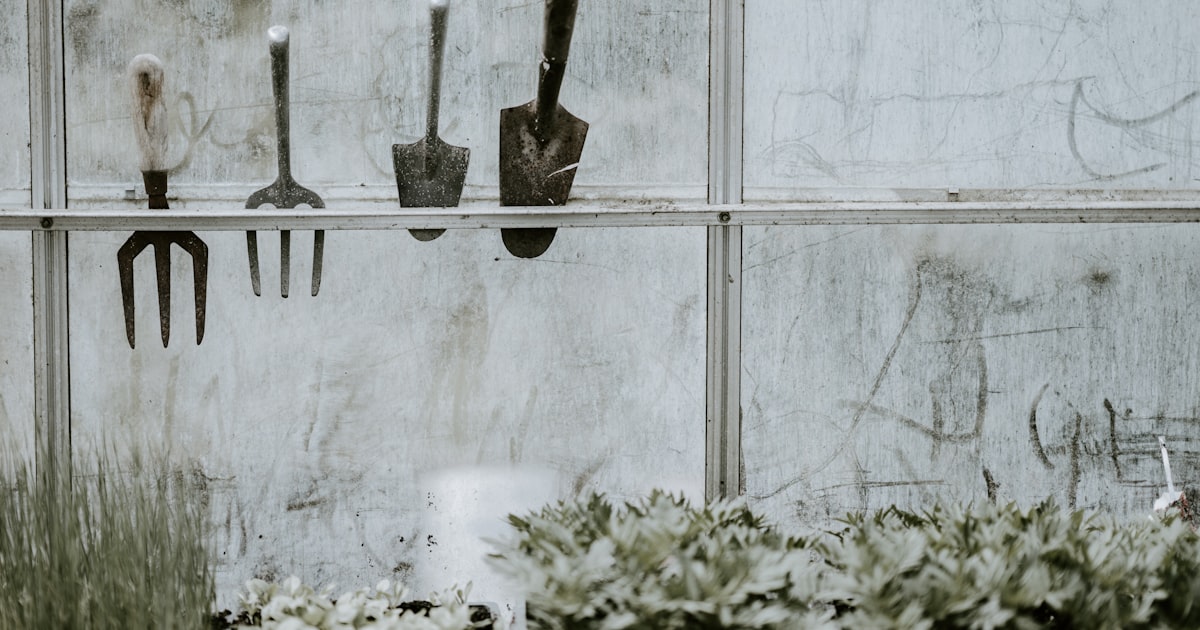
Walk into any Bunnings on a Saturday morning and you will be hit with aisle after aisle of garden gadgets, each one promising to revolutionise your gardening life. Ergonomic weeders. Self-watering whatsits. A tool for every conceivable task.
Here is the truth: you need about five things to grow a great veggie garden. Everything else is a bonus. Let’s sort the essentials from the “looked good in the store” pile.
The 5 Must-Haves
These are the tools you will reach for almost every time you step into the garden.
1. Hand Trowel
Your most used tool, full stop. A hand trowel is what you grab for digging holes, transplanting seedlings, mixing in compost, and about a hundred other daily tasks.
What to look for: A stainless steel or forged steel blade with a comfortable grip. Avoid the super cheap ones with thin pressed metal blades, as they bend on the first tough bit of soil. Spend $15 to $25 and it will last you years.
2. Secateurs (Pruning Shears)
For harvesting, deadheading, cutting back herbs, and pruning small branches. A good pair of bypass secateurs is indispensable.
What to look for: Bypass style (the blades pass each other like scissors) rather than anvil style (which crushes stems). Felco and Bahco are brilliant brands that last a lifetime, but a decent $20 pair from your local nursery will do the job nicely too.
3. Watering Can or Hose with Adjustable Nozzle
Your plants need water. How you deliver it depends on your setup.
- Small garden or balcony: A 9 litre watering can with a removable rose (the sprinkler head) is perfect.
- Larger garden: A hose with an adjustable nozzle that can do a gentle shower for seedlings and a stronger spray for established plants.
4. Gardening Gloves
Some people love the feeling of bare hands in the soil. That is lovely until you grab a handful of something spiky, encounter a funnel web spider’s relative, or develop blisters from an afternoon of weeding.
What to look for: Fitted gloves that you can actually feel through. Bulky gloves make fine work impossible. Nitrile-coated gloves are great for general tasks, and leather gloves are better for thorny jobs.
5. Garden Fork
For turning compost, breaking up compacted soil, working in amendments, and loosening earth before planting. A garden fork does what a spade cannot.
What to look for: If you mainly work in raised beds or small areas, a hand fork is fine. For larger in-ground beds, a full-size garden fork with a sturdy handle is the way to go.
START YOUR GARDEN RIGHT
Plan before you plant
VeggieCrush helps you set up your garden step by step, so you know exactly what you need before heading to the shops.
Download the free appNice to Have
These are not essential from day one, but they make life easier as your garden grows.
Wheelbarrow or Garden Cart
Once you are carting bags of compost, mulch, or soil around, a wheelbarrow becomes your best mate. Not necessary for a small raised bed or balcony garden, but very handy for anything bigger.
Kneeling Pad
Your knees will thank you. A simple foam kneeling pad makes weeding, planting, and general ground-level work much more comfortable. Especially on Australian clay soils that feel like concrete.
Soil pH Test Kit
A basic kit from the garden centre costs about $15 and tells you whether your soil is acidic, neutral, or alkaline. This is genuinely useful information, as many veggies prefer slightly acidic to neutral soil, and knowing your pH helps you make better decisions.
Bucket
Sounds silly to list, but a sturdy 10 litre bucket is endlessly useful. Collecting weeds, mixing liquid fertiliser, soaking bare-root plants, carrying harvested veggies. Keep one near the garden.
Dibber or Planting Stick
A pointed tool for making seed holes at consistent depths. You can buy one for $5 or just use a stick. Seriously, a stick works fine.
Overrated Purchases
Here is where we might ruffle some feathers.
Expensive Ratchet Secateurs
Unless you have hand strength issues, standard bypass secateurs handle everything a home gardener needs. Ratchet secateurs are designed for cutting thick branches, which is arborist territory, not veggie patch work.
Hose-End Sprayers for Fertiliser
They look convenient, but getting the dilution rate right is tricky and you often end up wasting product. A watering can with measured liquid fertiliser gives you much better control.
Soil Moisture Meters
The “stick your finger in the soil” method works just as well and costs nothing. If the soil is dry to your second knuckle, water. If it is still moist, leave it. Your finger is a perfectly good moisture meter.
Full-Size Spade (for Veggie Gardens)
If you garden in raised beds or containers, a full-size spade is overkill. A hand trowel and garden fork cover most situations. A spade is useful if you are digging new in-ground beds, but you might only do that once or twice.
GROW WITH CONFIDENCE
Your personal garden assistant
VeggieCrush tracks your plants, reminds you when to water and feed, and takes the guesswork out of gardening.
Download the free appBunnings vs Online vs Local Nursery
Bunnings is great for basics. Soil, mulch, pots, generic tools, and hardware. Prices are competitive and the range is wide. Quality varies, so check before you buy.
Online (Amazon, eBay, specialist gardening stores) can be good for specific brands or hard to find items. Just watch out for shipping costs and dodgy no-name products with inflated reviews.
Your local nursery is often the best option for plants, seeds, advice, and quality tools. Staff at independent nurseries actually know their stuff and can recommend products suited to your local conditions. You will pay a little more, but the advice alone is worth it.
Quality vs Cheap: Where to Splurge
Splurge on: Secateurs and gloves. You use these constantly, and quality makes a noticeable difference in comfort and durability.
Save on: Watering cans, buckets, kneeling pads, and basic hand tools. A $12 trowel from the discount store works perfectly fine for most home gardeners.
Do Not Forget Sun Protection
This is not a garden tool, but it is arguably the most important thing you bring into the garden in Australia.
- Hat: Broad-brimmed, not a cap. Your ears and neck need coverage too.
- Sunscreen: SPF 50+, applied before you head outside. Reapply if you are out for more than a couple of hours.
- Long sleeves: Lightweight, breathable long sleeves beat sunburn every time.
- Water bottle: Stay hydrated, especially in summer. It is easy to lose track of time when you are pottering in the garden.
Looking After Your Tools
A few minutes of care extends the life of your tools dramatically.
- Rinse off soil after each use. A quick wipe or hose down prevents rust and keeps blades sharp.
- Dry them before putting them away. Leaving wet tools in a bucket is a fast track to rust.
- Oil metal parts once a month with a light coating of vegetable oil or tool oil.
- Sharpen secateurs a couple of times a year with a small whetstone. Sharp secateurs make cleaner cuts, which is better for your plants.
- Store them somewhere dry. A hook on the shed wall or a bucket of sand (with a splash of oil mixed in) keeps tools organised and rust free.
The Bottom Line
You do not need to spend a fortune to start gardening. Five good tools, some sun protection, and a bit of enthusiasm will get you further than a shed full of gadgets. Start with the basics, add things as you need them, and resist the urge to impulse buy that fancy gadget on aisle seven. Your plants do not care what brand your trowel is. They just want water, sunshine, and a bit of love.
Get the VeggieCrush App
Join thousands of Aussie gardeners growing better with personalised planting reminders, pest alerts, and expert advice.


Free to download on iOS and Android. No credit card required